News

Lander Homeschooler Wins ‘Ultimate Civics Showdown,’ $150,000 Scholarship

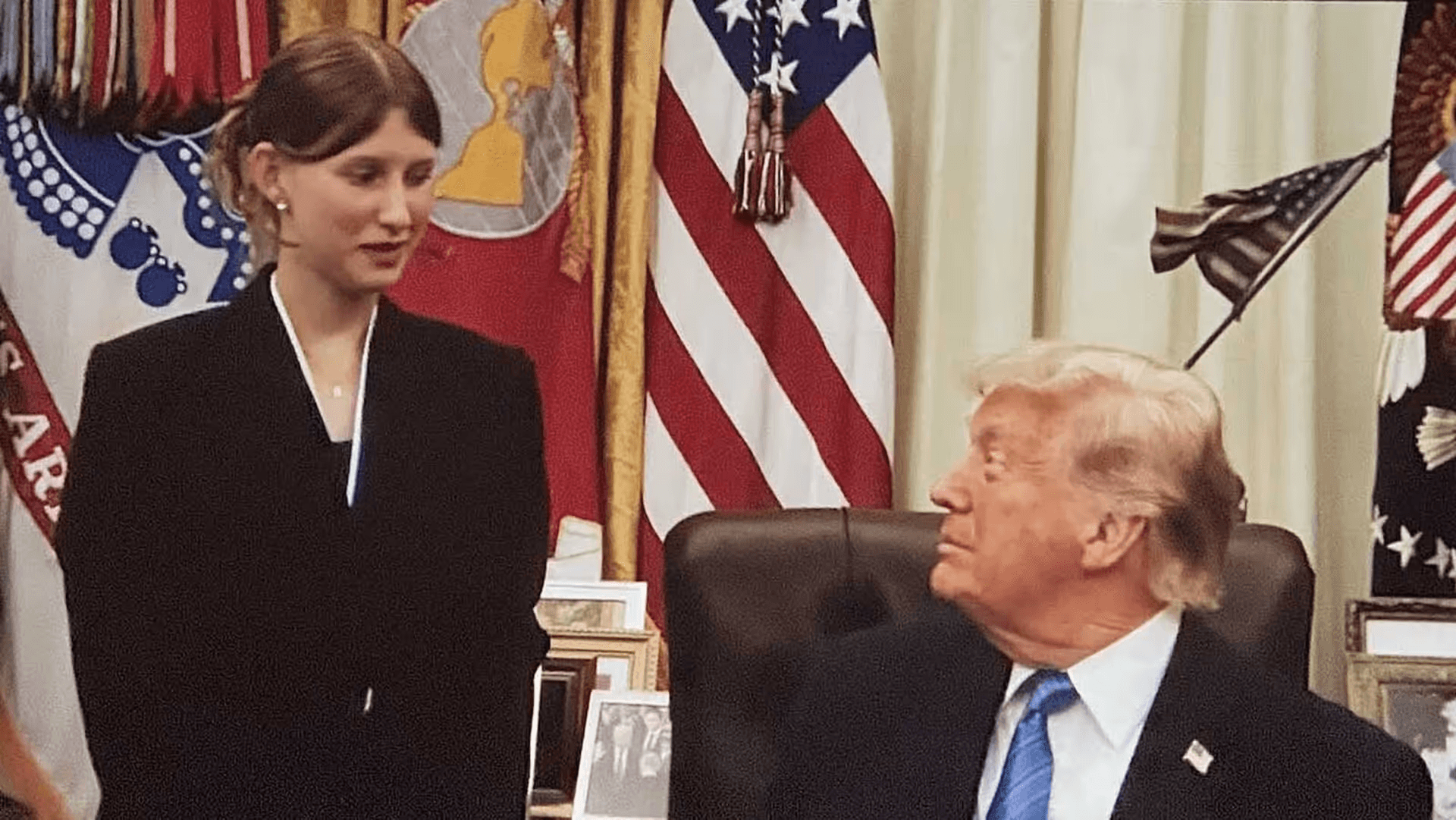
A 17-year-old Lander homeschooler who beat out 8,000 other students in what was billed as the “Ultimate Civics Showdown” stood beside President Donald Trump in the Oval Office on national TV on Tuesday. Miriam Washut won a $150,000 scholarship in the effort.

Dale Killingbeck photo By Dale Killingbeck

July 01, 2026

hero image

Lander Homeschooler Wins ‘Ultimate Civics Showdown,’ $150,000 Scholarship

Cowboy State Daily • Dale Killingbeck

A Wyoming homeschooler’s national civics victory is more than a feel-good story; it points to the kind of formation that takes history, citizenship, and inherited wisdom seriously. Miriam Washut, daughter of Kyle Washut, president of Wyoming Catholic College, comes from a family closely tied to classical liberal education, and her deep study of America’s founding documents offers a hopeful glimpse of what young people can do when they are invited into the great questions of liberty, virtue, and self-government.

Dale Killingbeck photo

Dale Killingbeck

Cowboy State Daily

Related Resources

Video Becoming Smaller in a Larger Story

June 29, 2026

Humanitas


Becoming Smaller in a Larger Story

Coby Dollof was a ninth-grade student trying to avoid the reading when a classical school teacher assigned him Orthodoxy by G.K. Chesterton. There was no shortcut, no SparkNotes page, no easy way around the book. So he opened it and something opened in him. What began with Chesterton became a doorway into wonder, beauty, humility, and the great questions of life. Years later, standing before Michelangelo’s Pietà in St. Peter’s Basilica, Coby found himself moved by something larger than he could explain. He was being drawn into a story bigger than his own. Now a writer and teacher at Pepperdine University, Coby helps students ask the questions that once found him: What is wisdom? What is virtue? Why do truth, goodness, and beauty matter? What is vocation? And what kind of life is worth living? This is a story about classical education as awakening. The kind of awakening that forms a person and helps them become fully alive.

Podcast Theology of the Body and the Shape of a Life with Alicia Coyle

June 22, 2026

Composed: Timeless Ways of Living


Theology of the Body and the Shape of a Life with Alicia Coyle

What does the body reveal about vocation and our search for communion? In this episode of Composed, Christine Perrin speaks with Alicia Coyle about Theology of the Body, motherhood, feminine formation, chastity, education, and the slow work of composing a life around gift rather than competition. Their conversation moves from John Paul II and Edith Stein to Little Women, Aristotle, Mary at Cana, and the daily patterns of homeschooling, prayer, reading, and family life. For parents seeking a wiser way through cultural confusion, Alicia offers a thoughtful vision of embodiment as something neither limiting nor abstract, but deeply human, practical, and full of invitation. Together, Christine and Alicia consider how ideas become incarnate through teachers, friendships, families, and habits. They ask what it means to see the body as meaningful, how women and men can offer distinct gifts without rivalry, and why formation begins not with rules alone, but with anthropology, wonder, and the truth of the person made in the image of God.

Podcast Festival as a Way of Life: Father Nathan Carr on Joy, Time, and Christian Formation

June 01, 2026

Forged: Timeless Ways of Living


Festival as a Way of Life: Father Nathan Carr on Joy, Time, and Christian Formation

What would it mean to practice festival at home, in school, and in church? In this episode of Forged, Brian Williams speaks with Father Nathan Carr about the posture and practice of festival as a way of living with joy, gratitude, and holy attention in the midst of ordinary time. Drawing from his work as priest, headmaster, husband, father, and author of Festive School, Carr reflects on Christian calendars, prayer books, school feasts, household rituals, and the slow formation of children who learn not merely to observe the good, but to receive and name it. This conversation is an invitation to recover joy as discipline, delight as formation, and celebration as a serious part of Christian life. Together, Brian and Father Carr consider how homes, schools, and churches can resist anxiety, urgency, cynicism, and suspicion by learning to inhabit time differently. From Benedictine hours and red-letter feast days to hidden Wise Men during Advent and children serving in the liturgy, this episode explores the small, concrete practices that teach us to see the world as gift.