What Does Classical Formation Look Like?
This short film offers a glimpse into how students are formed through daily practices of learning, attention, and care.

Toward a Renaissance of American Jewish Education
n his commentary on the Talmud — a body of Jewish learning that represents one of the greatest models of cultural preservation in the history of mankind — the medieval philosopher Moses Maimonides pointed to the rabbinic idea that "the world is sustained only by the breath of schoolchildren." His insight is a deep one: that the fate of every civilization depends, over the long term, on the work of perpetuation and transmission.
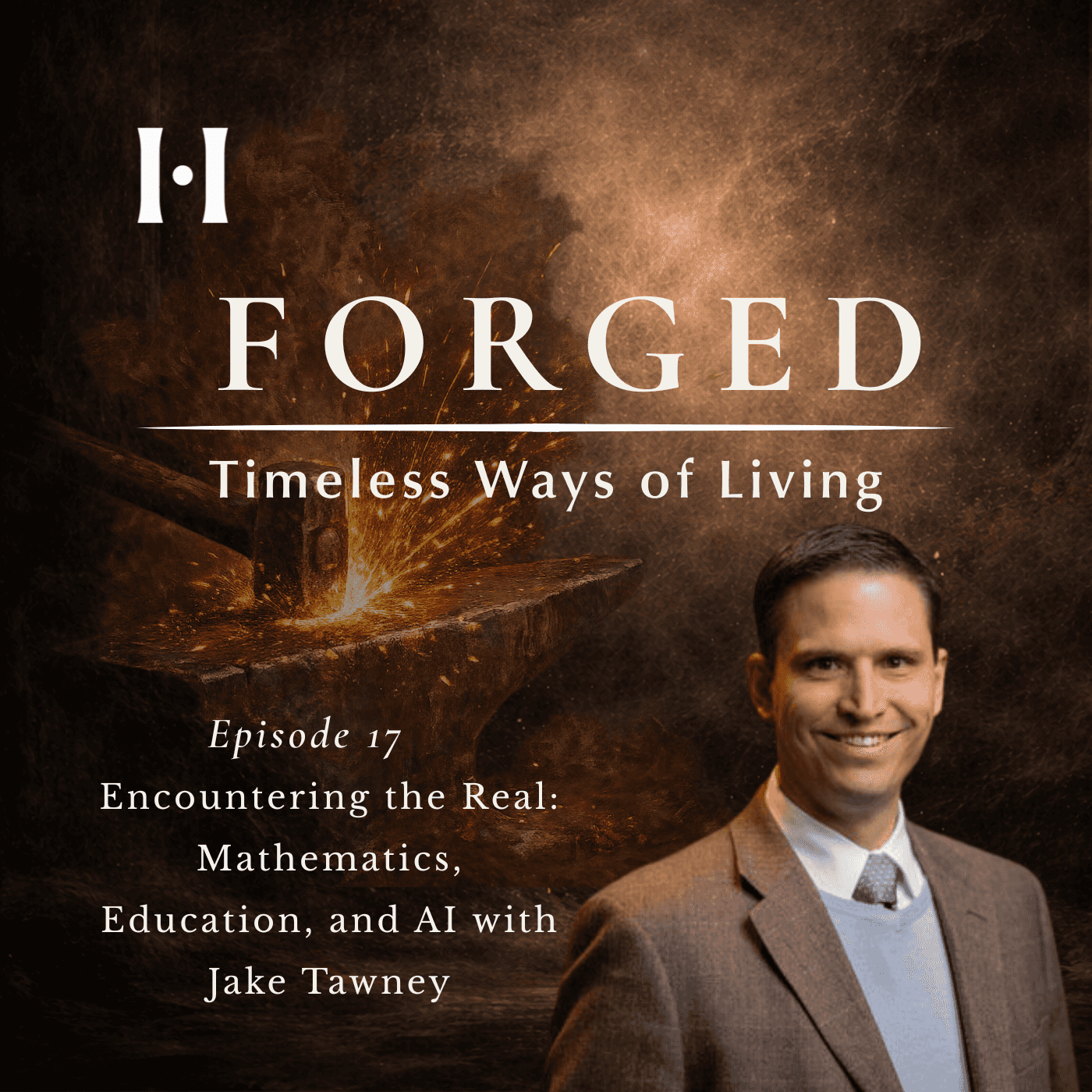
Encountering the Real: Mathematics, Education, and AI with Jake Tawney
What if mathematics is not merely a tool for solving problems, but a way of encountering reality? In this episode of Forged, Brian Williams talks with mathematician and educator Jake Tawney about the beauty of number and shape, why wonder belongs at the heart of education, and what we risk losing when technology begins doing our thinking for us. From Euclid and fractals to calculators and artificial intelligence, Jake makes the case that education should begin with real things worth knowing and loving. Their conversation ultimately turns toward a larger question: What habits, practices, and encounters help us become more fully human? Jake and Brian explore why mathematics has so often been reduced to computation, how teachers can invite students into genuine wonder, and why AI raises deeper questions than efficiency alone. Jake also reflects on the practices that have shaped his own life as a husband and father, including prayer, cooking, wine, reading aloud, and the conviction that our first calling is to give ourselves for the good of others. Books & Resources Mentioned Another Sort of Mathematics: Selected Proofs Necessary to Acquire a True Education in Mathematics by Jake Tawney Euclid’s Elements A Mathematician’s Lament by Paul Lockhart The Lion, the Witch and the Wardrobe by C. S. Lewis Gaudium et Spes (Pastoral Constitution on the Church in the Modern World), especially paragraphs 22 and 24
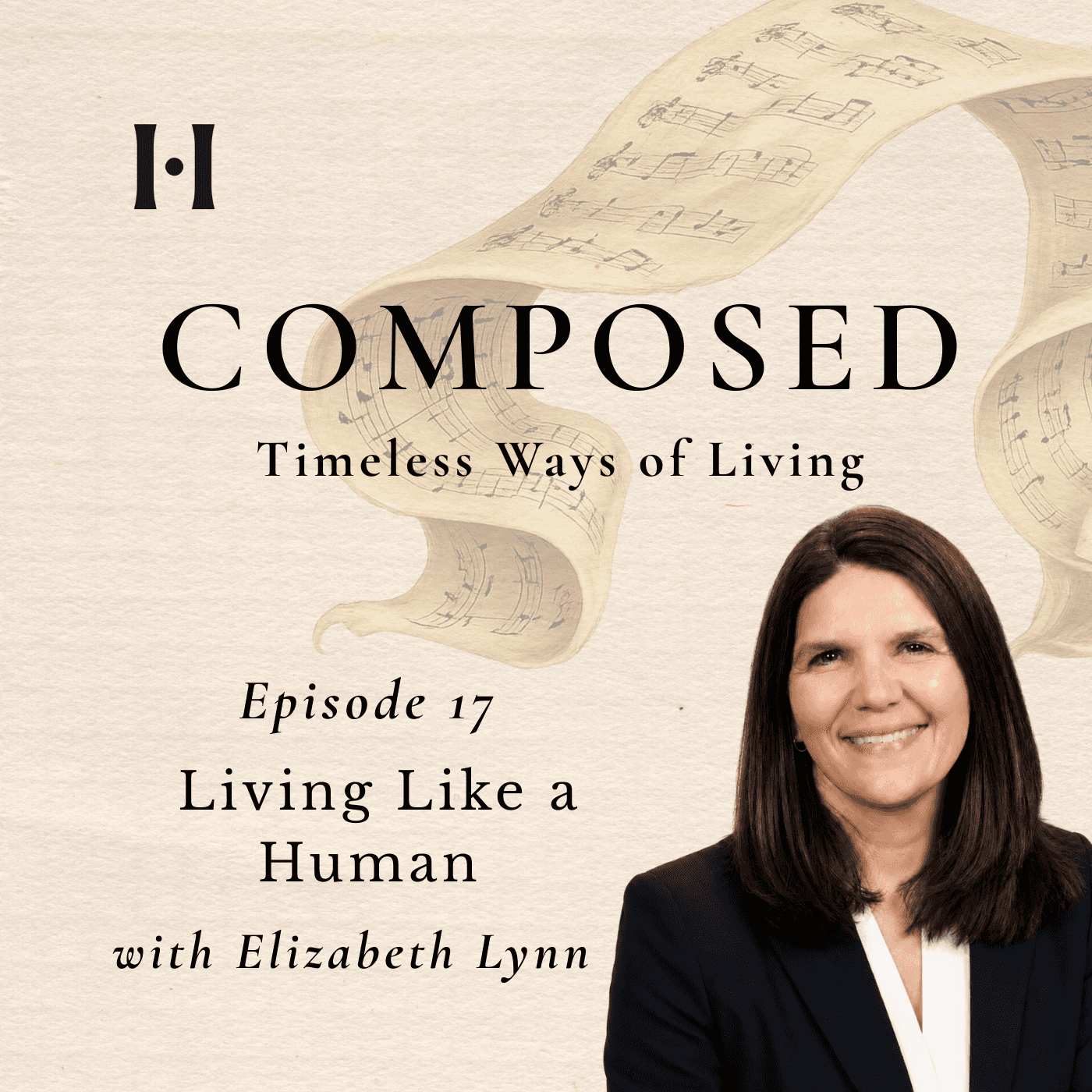
Living Like a Human with Elizabeth Lynn
What helps a child learn, a family flourish, or a community grow strong? Elizabeth Lynn suggests that the answer often begins with things that can seem almost invisible: order, repeated rhythms, presence, attention, and the willingness to delight in one another. In conversation with Christine Perrin, Elizabeth reflects on the “liturgy” of a classroom, the surprising gift of being known by name, and why beauty and rest depend on patterns that make room for genuine learning. She also considers the challenge many families know well: how to cultivate an inner life when the tempo of the world refuses to slow down. For Elizabeth, Scripture has become a lifelong anchor, calling her again and again toward humility, stillness, gratitude, and a life attentive to God and neighbor. Their conversation offers parents and educators a hopeful picture of formation. The small practices of showing up, praying for people by name, making room for wonder, and refusing to let busyness dictate our deepest commitments can slowly shape the atmosphere of a home, classroom, and community. It is a vision closely aligned with the Humanitas Institute’s commitment to education as formation through relationship, beauty, truth, goodness, and wonder.