Texas Universities Can Now Consider 'Classic Learning Test' in Admissions, Alongside SAT and ACT
The test has a strong focus on classical literature, promoting “influential authors and ideas that have shaped history and culture.”

July 24, 2026
The test has a strong focus on classical literature, promoting “influential authors and ideas that have shaped history and culture.”
July 24, 2026

Texas Universities Can Now Consider 'Classic Learning Test' in Admissions, Alongside SAT and ACT
The Texan • Meridith Dyer
Texas public universities may now consider the Classic Learning Test alongside the SAT and ACT, widening the path for students educated through classical, Christian, and homeschool programs. The decision marks a meaningful step toward greater choice in college admissions, even as questions remain about how the newer exam compares with its long-established counterparts.

The Texan
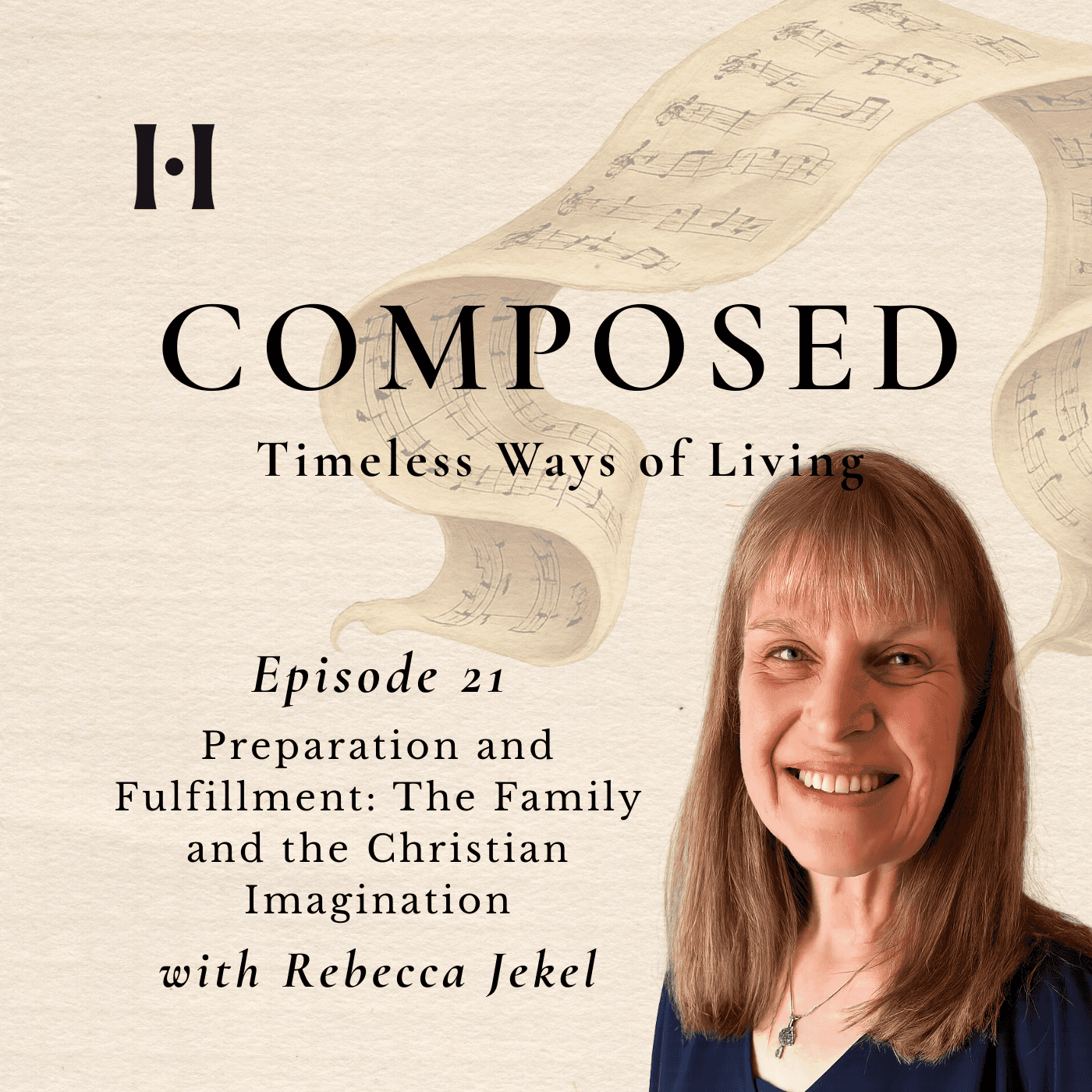
What if composing a meaningful life begins not with finding the perfect routine, but with learning to love and practice the good things already in front of us? In this episode of Composed: Timeless Ways of Living, Christine Perrin talks with Rebecca Jekel about music shared across generations, the preparation that makes feasting possible, the rhythms of the Church, and the stories of women in Scripture. Their conversation explores how ordinary practices like singing, reading, cooking, hospitality, and gathering with others can become patterns of formation. Rebecca offers an encouraging vision for families who feel pressure to optimize every activity: what we genuinely love, faithfully practiced and generously shared, can become part of the inheritance we give our children. Rebecca also reflects on Scripture as a story of preparation, fall, return, and fulfillment. Through Eve, Sarah, Miriam, Rahab, Ruth, Deborah, Photini, and Mary, she considers the courage, faith, hospitality, and perseverance woven through salvation history. For anyone longing for more structure or meaning in daily life, her invitation is refreshingly concrete: begin with small, learnable practices, especially the domestic arts, and allow their simple cycles of preparation and enjoyment to teach you how a life is composed. Nothing happens outside this rhythm in a family, in the life we make, and in the historic redemptive arc.
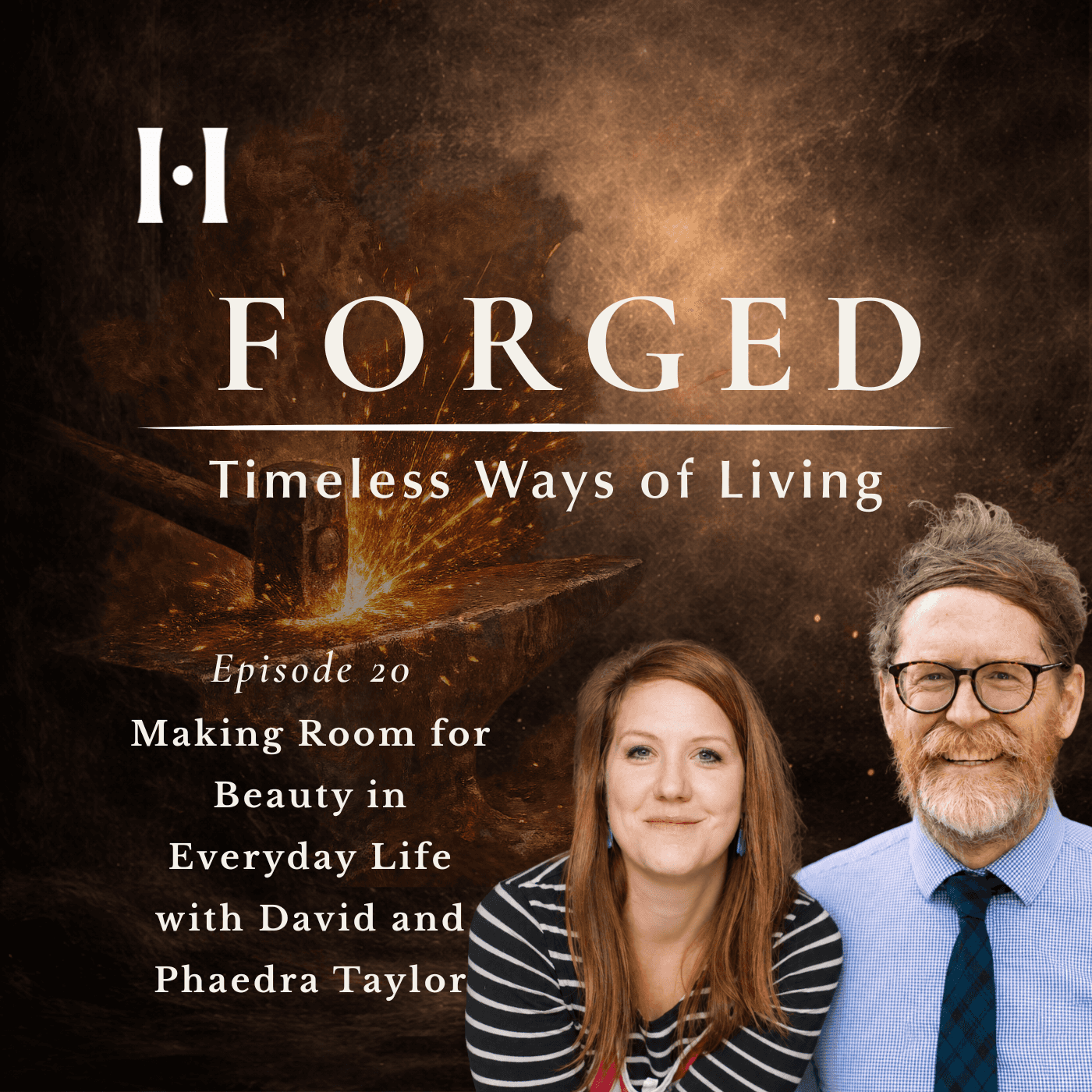
What would change if we treated every part of our lives as worthy of prayer? And how might we learn to notice the beauty of the world when so much of modern life competes for our attention? On this episode of Forged, Brian Williams welcomes David and Phaedra Taylor for a conversation about prayer, art, family, and the habits that shape a meaningful life. They discuss their collaborative book Prayers for the Pilgrimage, the importance of making room for beauty in our homes, and the small decisions that help families resist the pull of digital distraction. Drawing on their experiences as artists, parents, and stewards of twenty-one acres of Texas prairie, the Taylors offer a thoughtful vision for living with greater attention, patience, and purpose. Along the way, David reflects on why artists are essential to human flourishing, while Phaedra shares what painting, motherhood, and restoring the land have taught her about creativity, limitation, and learning to let go of control.
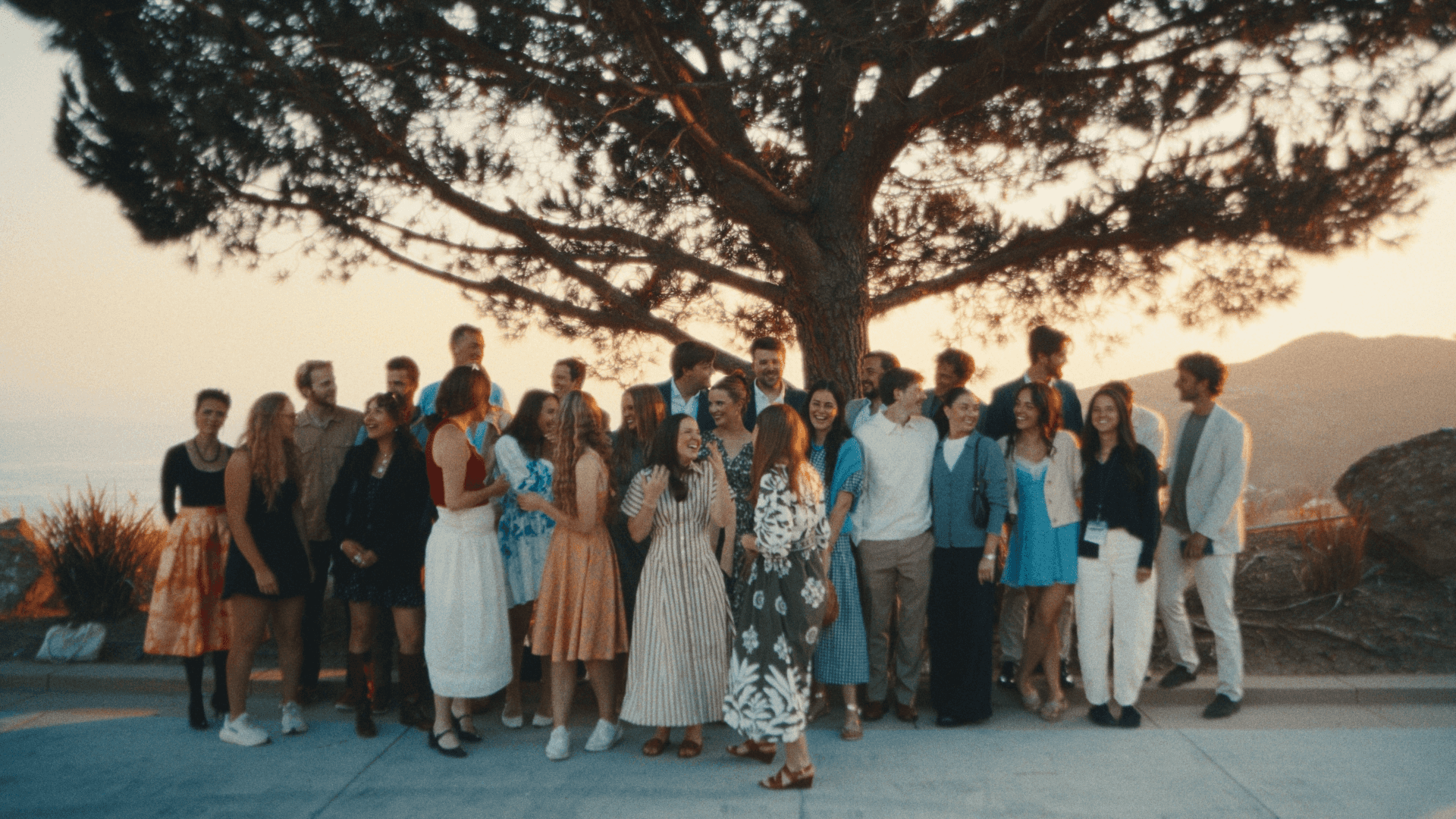
Classical school graduates reflect on who they’ve become and how their education formed them in mind, character, and a lifelong love of learning.