Rebecca Jekel (00:00)
We had a church school teacher. She had a wonderful way of telling these scriptural stories, and I remember just sitting on the floor, I can picture it now, cross-legged as we all did, listening to her with my mouth agape, and not wanting it to ever end. It was always ending too soon, and I just wanted more and more. But I also loved how right in the scriptures, not only do they make these choices, but they articulate the reason for it so powerfully, so that we can then have those words.
Christine Perrin (00:30)
This is Christine Perrin, host of Composed, a Timeless Way of Living, a podcast of the Humanitas Institute that explores living patterns of virtue, craft, community, and delight, and draws the classical tradition into contemporary times. Rebecca Deckel, welcome to Composed.
Rebecca Jekel (00:52)
Thank you, Christine. Thank you for thank you for asking all these big questions. It's good to be thinking about them.
Christine Perrin (00:58)
I
so look forward to talking about them with you. I'm gonna share your formal bio and then you can tell us some more. Rebecca Jekyll is a mother and grandmother with interests in music, stories, and personality patterns. She lives in a quiet, empty nest with her husband and works in home care, providing people with companionship and help with activities of daily living. When not working, Rebecca reads, writes, sings.
Gathers with family and friends and follows discussions on writing craft and personality theory. Rebecca most often finds beauty and perspective in the arts, the church's liturgy and teachings, observing children and animals, and learning people's stories one-on-one. I love that bio. I will also just add to it that you've written a book. Can you tell us the title of that book?
Rebecca Jekel (01:53)
It's called A Parish for All Alaska and it follows the experiences of a priest and his wife who went to Alaska to spend perhaps two years because priests were so needed there and ended up staying for thirty and raising six children there and making a life there. and pretty much becoming Alaska's people and Alaska's people becoming their people. So
Christine Perrin (02:21)
that's a beautiful description. I've read it now twice and I admire the way that you gave their voices voice in the book. But could you tell us a little bit about how you became this person who loves stories, music, personality patterns? What how were you raised and what took you to these loves?
Rebecca Jekel (02:44)
Yes. well, some of them certainly are traced back to childhood. Music, a big one, you know. I was we used to have musical evenings in my family growing up, where my parents would invite friends and maybe a couple neighbors over who all played some sort of instrument or sang one or the other. And we would sing folk tunes and just favorites, and once in a while somebody would have something specifically to share.
that they sang. we had a neighbor, kind of farmer handyman who loved to do boogie woogies on the piano. So so it was a it was a mix, but mostly folk music. so that was one. Another what was animals were a big part of my upbringing because we had many. We lived on a little farm. It wasn't for our livelihood, but we always had big and little animals, chickens, horses, ducks, rabbits.
always at least one dog, always one cat. so that was always a big part of my upbringing. And I'm very comfortable with animals and I love them, but I always say it's a conditional love. You know, they need to be behaving. So that's always been there, those two things, music and animals. and my mom made sure that I had music lessons, of which I'm very grateful. And probably of the music I did growing up.
The most enduring as far as enjoyment goes was singing, which also started. I went to choir camp when I was in elementary school and just loved every minute of it. And that has continued. and then as far as personality, I remember as a child just observing people, just watching people. And it's not that I necessarily had any particular thoughts, but I was just absorbing them, I guess.
And I always loved stories, whether they were read to me, whether it was a situation I heard about. and I think most children have that experience of sitting under the table and listening to their mother talk to her sisters, you know, and just hearing all the stories that they know and live and things that they laugh about, things that they're frustrated about. so that's definitely a memory.
Christine Perrin (04:57)
reminds me of I think a book that we've both read, One Writer's Beginnings by Eudora Welty, where she got sick and she had to go to bed. And her parents would put a piece of newspaper over the lamp in the bedroom and sit on the chairs and chat into the night while she would fall asleep. And she credits her becoming a fiction writer to that dialogue that she would overhear and she would pretend that she was asleep. So I love your image of the child under the table listening, but
You say many things that I'd love to pick up on. One is this learning, doing music in community, doing music, not just lessons, which can be sterile, but as a group getting together and doing it together. Folk music, you know, your tunes, your the givens of your own culture, and then the
doing it with others in a festive way. And that was something that you wanted your children to have as well and gave them. And it it it also characterized in some ways your husband's experience in his family and his parent his mother's love of music. I wonder if you could say some more about that pattern because I'm just realizing you're one of the few people that I know.
Who was raised that way and who decided to give that to her children and whose children are giving it to their children? What is it like to we all know what it's like to play an instrument and practice and maybe give a recital or a concert at the school, but what is it like for that music that you've practiced or loved to kind of be born in an impromptu kind of gathering with other neighbors and friends?
Rebecca Jekel (06:47)
That's such a good question. I mean, it is a kind of celebration in a way. especially, you know, if we were hosting and all day we were working, doing chores that we may or may not want to be doing in preparation. And then we can just relax and sing. And and of course the music itself kind of carries you too, and the words, some of which I understood, some of which I didn't. we always sang old Lang Sein on New Year's Eve as well.
New Year's Eve was always a musical evening. And also I think part of it too was looking around and seeing the friends of my parents, especially in the earlier years when they didn't. It was a smaller group of people that they saw other times of year. They were part of their regular lives. And just watching how they participated. Again, I'm back to observing people, but you know, and some were reflective, you know, as they sang. Other took others took charge, you know, and said what we were doing next, you know.
Others sort of undermined the one taking charge. I mean, the all that was always going on, but in a fun, loving kind of way. and there was certainly a a share of joking. And I think some of it was that the personalities coming together were all so different, different walks of life too, which is probably unusual as well, you know, to be in a group of people that yeah, that I mean, there was some overlap, but that it wasn't necessarily we're all from the same, you know.
neighborhood or anything like that. So yeah, and then just the experience of hearing something come together, you know. and some of the pieces were beautiful and and some were just fun and peppy, you know, but all had a certain energy. So yeah.
Christine Perrin (08:33)
How about giving it to your children and then discovering that your children cared about it enough to give it to theirs?
Rebecca Jekel (08:38)
Yeah, I mean, that means so much to me. I every year so far have been able to go to Grandparents' Day at my daughter's children's school. Her two oldest sons are in school already. And they sing folk songs, some of the same ones that I sang growing up, which you don't hear s necessarily so much anymore. They're from the fireside book of folk songs.
And I was sitting there listening to this whole school, it's the lower school, of children singing these songs that I sang growing up. And the theme that had been shared by the leaders of the school was how important grandparents are. And so I was sitting there thinking of my parents and how much they would have loved being there. And also wondering, are they hearing this? You know? So that was really beautiful to see my grandchildren and think of my own parents.
And bring my own experience to it. So it's one of those things that's almost beyond description. Yes. But it's a a full experience. Yeah.
Christine Perrin (09:40)
And you know that the meaning and the love that was instilled in you was also instilled by you, which we can never count on or expect. Right. Though I think that people do pick up on the things we love. We're not just giving it to them out of duty, but somehow out of our heart's desire and fullness, even though it requires discipline and routine and and all kinds of things.
To actually ever be usable in that way.
Rebecca Jekel (10:13)
Yes.
Christine Perrin (10:14)
I think a lot of your life, now that we're talking about this, a lot of your life has been characterized by music. I was yesterday in a place where someone mentioned that singing the psalms is the highest form of experiencing them because it involves your body.
you your mind, your heart, it all the parts of you are involved in it. And it just strikes me that you've had a lot of that experience, particularly in your liturgical church life, because you've been in choirs within church as well as without of without outside of church. And a lot of your contribution has been that contribution of, you know, with your voice joining
the the course of others. And I wonder how you would describe that and the influence of that in your as a pattern in your life. Right.
Rebecca Jekel (11:16)
One of the things I love about the tradition of singing through the liturgy is that it is both the choir, but it's also the the participants, the congregation. Well, the choir is part of the congregation. And the idea is that the choir is leading the congregation in many churches. Sometimes it's just a cantor, but in our tradition, it's been more a choir. And so the times that I have not been in a choir, I still sing and feel very much I'm participating.
at least as much as when I am in the choir. But it is a whole body, you know, we've often talked, I've talked with my husband about how music is a whole body experience in so many, a whole person experience. You hear, you form the words, you know, you're you're counting, you're listening for pitch, you you're entering melody. and then
There are the prayers and the words that you're singing. So there's so much going on in music, you know, and I admit sometimes I'm only thinking of some of those things while I'm singing, depending on how familiar I am with it or what distractions are around me. But I think that's a wonderful thing about it. It's so complete and such a whole experience.
Christine Perrin (12:33)
wonder how you think about well two things strike me. One is how to give this to children because that was something you did. All the parts of giving and I think about formal environments, informal environments, lessons, labor. But I also think about the fact that even though you took this very seriously and you received lessons as a child, you you received them as an adult.
You were part of trained choirs. You undertook it seriously in ways that few people that I know have. But you also didn't professionalize it. You let it be a love. That's what amateur means, love. And you let it be a good for its own sake. That strikes me as also somewhat unique in our world. People seem to kind of do things.
just spontaneously and casually or professionally and very little in between. And I wonder if you could talk about that for a little bit.
Rebecca Jekel (13:41)
Yeah. I'm glad you brought that up because that did end up being a very deliberate decision on my part with music and my children, which was I want them to have it, but it doesn't matter, you know, if they decide they want to r practice two hours a day and and make this a livelihood, that's up to them. But, you know, I'll require 20 minutes a day, which was really hard. Yes. and you know, they'll take it.
And and if they just have something to enjoy as an amateur through their life, so be it. so that was a deliberate decision, and it came out of reading a book called, I think it's called Raising Musical Children by Christopher Parkin Parkinin. He's a I'm not saying he's the last name correctly, but he is a a professional classical guitar. Yes.
Christine Perrin (14:30)
Yes, I know that name.
Rebecca Jekel (14:33)
And he talks about
all the things that go into being a professional and why it's not for everybody. And not only is it not for everybody, but it's really only for very few people. Even if they have the drive or the talent or or whatever, so much, so much more goes into it than just those things. that was just very helpful. And also he praised the beauty of amateur music. And I've met others as well since then who have lived that
I mean, there are many people who live as amateurs, but it just maybe it doesn't maybe get as much attention in general, but but it doesn't really have to either. and I think along with that, you use the word love and that amateur means love. and I was thinking when you were asking the question that giving music to your children is loving, is you give it by loving it. And that's what my mother did. I think that's why I received music and kept.
kept it is because my mother loved it. And she had recordings that she would play and just talk about and just, you know, talk about in a way that it was clear how much they meant to her. And then I found myself listening to them, you know, on my own. And and and also I would listen to other music that maybe she wasn't, you know, a more modern or contemporary music as I got older and ask her if she would like, if she liked it or not.
Some she did and some she didn't, and she would tell me why, you know. So there was a bit of an exchange going on there too. It was part of our relationship, I would say.
Christine Perrin (16:07)
That strikes me as incredibly worth highlighting, especially for the people that we're in conversation with in this podcast, just that what you love can be included in the lives of your children and ought not to be abandoned for some sort of sterile best practices list.
Rebecca Jekel (16:29)
Yes. And if and if it's not music and it's something else, that's wonderful, you know.
Christine Perrin (16:34)
I'm thinking also of a book I think you've read Only the Lover Sings by Joseph Pieper. I don't know if you have you read that
Rebecca Jekel (16:42)
Probably have, yes.
Christine Perrin (16:44)
where he talks about the fact that in order to be able to create art, have philosophical conversation or thought, have religious experience, we have to be able to feast.
Because the meaning of the feast is that we stop in the middle of our lives and what is not finished or right, and we celebrate life and our being, essentially. And it strikes me that there's a feast that's very literal, but there are many manifestations of feast. And one of the ones that you're talking about is music as feast, because this was something your mother feasted on. It was something that she brought others in.
It was something that you did with other people that you gave, that you then yourself wanted to form opinions about and and share with her. You know, a lot of people go looking for something that they can do with their children, like golf or something. But there are these organic ways of being together surrounding the sharing of loves and a feast on them. And
I think feast has probably had a big role in your life, just when I think about music, the church, celebration. Is that something that you could include in our conversation?
Rebecca Jekel (18:09)
Absolutely. Yes. And I do think my awareness of that started in childhood with that sort of, you know, surrounding hospitality. and just how we prepared. and it was hard work. It was where it felt like hard work to prepare. but and sometimes that work was full of conflict, you know. So it wasn't sometimes it was a difficult day.
But I never would have said, well, then let's just not do it. even as a child, even as someone who wasn't deciding how to prepare, but preparing as was already deemed necessary. I would have said, no, it's worth it to go through all this, even though it didn't feel it at the time. I would not have wanted to give it up. So I think that's interesting that preparation is an important part of the feast. And it's part of why it's so enjoyable too, because there's sort of a, you know.
It's a reward, really, a reward. and you're sharing it. You're sharing the reward in those this settings of hospitality. And then we also follow the festal cycles, the fasting and festal cycles of the church. You know, the the more traditional ones known, you know, people many people know about Lent, and that's the big one, you know, where you're preparing f to celebrate Easter. And then Advent, you're supposed
Preparing to celebrate Christmas, and then there are a few others. And that cycle also falls into the weekly life of the Christian world, you know, where on Sundays you take the Eucharist and there's a preparation for that, which ideally you are preparing all week, you know, that's sort of the pinnacle of the week. And then as you get closer, there are more specific, more intense preparations. And then even daily, you know, I think.
The best live days are days that involve that sort of cycle of preparation and enjoyment. You know, even even if you're alone and you're making yourself a meal, that can be a preparation and then enjoyment, or with others making others a meal. And, you know, sometimes the most basic things, the most basic domestic tasks are naturally kind of enfold that preparation and and feast, I think.
Christine Perrin (20:33)
I love this theme that's emerging, this preparation and fulfillment theme. I believe that it wasn't until I came into a church that was very focused on that, that I really understood that is so fundamental to life. Of, you know, there's a there's a period in which for fulfillment to actually happen, there has to be preparation.
And it seems like we live in a time that's very focused on fulfillment, fulfillment, fulfillment, and that has easy access to certain superficial forms of fulfillment. You can get food very easily. You can get you know, you can purchase things online and they can arrive the same day. You can access content, you can
connect with people without writing a letter and putting it in the mail. You know, all these things that have kind of put us into the grain of quick and not very costly fulfillment. And I wonder how what you would say about that pattern of preparation and fulfillment, chiefly what you've learned about it from the church and even from scriptures, because I know you've you've thought a lot about how that's worked.
in the story of the covenant, particularly through women in scripture. And and I just wonder if if you could start by talking about that in our experience, which you you just did so beautifully, but in the church and then in the scriptures and the the Christian tradition.
Rebecca Jekel (22:20)
Preparation and fulfillment kind of thing. Yes. Yes. relationship to each other. Yes. I mean, when you bring up scripture, you think about the sort of preparation of generations, you know, of millennia. not simply it's the cycles are even greater than, you know, they they they're way bigger than our lifetimes, even. And
Christine Perrin (22:45)
Our week or our year. Yeah. The Christian year or something.
Rebecca Jekel (22:48)
Ten year, exactly. And I suppose too a lifetime is also a f kind a cycle in itself, you know, a lifetime and then lifetimes upon lifetimes. But yes, in scripture I have especially recently come to appreciate much more how there is an overarching cycle and preparation. And within that, the smaller festal cycles or shorter festival cycles. And yet, I guess I would
You know, I'd refer to it or people refer to it as salvation history. What is the salvation history that is borne out through the Hebrew scriptures and then the Christian New Testament? and I was asked to write an article on women in scripture and gear it to kind of a teenage age group. And it was interesting to go in and kind of figure out what the
Overarching theme would be for that. And it became clear to me that it was salvation history and that women were signposts along with many other figures, with men who were often their husbands or their children, their sons, throughout this history. And they each kind of I picked up things in reading that I hadn't really noticed before about some of these women and how their experience and their interaction
Christine Perrin (24:15)
With
Rebecca Jekel (24:16)
Whatever was going on in the world, you know, their interactions with God or or their interactions with the other creatures, how relevant that is to this very time and place now in this modern life. And it it really struck me when I researched for that article.
Christine Perrin (24:34)
I have the article in front of me and I think you do too. And I think we'll make it available. Thank you for that willingness. I wonder if you would even just take us through without really reading it, but just take us through the women that you trace and the sense of the beginning, the preparation and the fulfillment in this salvation narrative.
Rebecca Jekel (25:05)
Well, the bookends really would be Eve, the first woman, the mother of all living, and I love that title. and and Mary, who is often referred to by the church as the new Eve. So those would kind of be the bookends in a sense of the women in scripture, although you can go farther too.
Christine Perrin (25:29)
Where would you go further? Can you just
Rebecca Jekel (25:31)
You
know, just the w the merbears, I suppose, those who witnessed Christ's resurrection and then were asked by Christ to proclaim that to the apostles. So they were the first, as we understand the story in scripture, to proclaim Christ is risen, which has you know, Christians still proclaim that. and so that's how I think we take it farther and even up until today, the continuing proclamation of that.
But in the beginning with Eve, I think, you know, most people know the Eve's story. And I, like everyone else, we kind of have a narration in our mind. I know that, you know, and kind of move on to whatever else. But in going back in and reading it a little more closely and deeply, what really struck me this time was just how beguiling the serpent's words were, how really pretty his rhetoric was, and how it really kind of made sense.
And how easy it is for us to be beguiled by things that are truly beguiling, and confused and distracted and pulled away from by something more immediately beautiful or seemingly beautiful, pulled away from the greater beauty, I guess I would say, or the greater goodness, or the greater truth.
So that really struck me. I related to Eve when I read more closely the conversation she had with the serpent and how she was defending what God had told her. She started out saying, But God said this, and she was very clear about it and firm. But increasingly, she was I don't there are a lot of words you could use, distracted or pulled away, or I'm not thinking persuaded is a good
Christine Perrin (27:21)
Said the rhetoric, pretty rhetoric.
Rebecca Jekel (27:23)
yeah.
so that was one thing that struck me. And then moving on, Sarah is one of the four matriarchs. The he the Hebrews, the Jews call her a matriarch. and and she's one of the four, and I think that is such a wonderful title. so I was very struck by that. But also at that point, God was choosing a people, newly choosing a people. So
As far as salvation history goes, you know, there was already a fall in the garden, and Adam and Eve were taken out of the garden now that they knew not only good but evil. and then from there that you know, people were fruitful and multiplied according to the commandment, but increasingly only interested in in indulging themselves and became more and more evil. And then the flood comes, but he saves a remnant in Noah.
And then after that he, you know, the world is full of people who worship various gods and put their hope in various gods that really don't bring ultimate salvation or anything long term. And and God decides to choose a people whom he will train to understand him as the one God or to know him. Maybe understand isn't quite the right word. and through Abraham, Abraham and Sarah, he does that. But
What struck me here was how this was such a new thing. And they weren't a nation yet. They were just a few wandering tribes that were somewhat loosely connected, maybe related. it just struck me how this was new. It was like a new set of ethics, this new idea that there's one God above all gods, you know, the God of gods that is trustworthy and powerful. And and it struck me.
Sarah famously laughed when she was told she was going to have a son at a very old age, an elderly age. And she didn't, she couldn't wrap her mind around a God who could do anything that would allow that to happen. She was unbelieving. She didn't believe it. She sh it it was a lot. so she laughed. And God called her on it, and then she named her firstborn Isaac, which means laughter, which I always think was sh.
Or I don't know if she named it. I don't think it's clear. Someone named him Laughter, which which I love as sort of a full circle, kind of either humor or irony or or something to that effect. but it took generations for even the Israelites to understand what it how they were different and how their God was different than those that had come before.
So I think through Sarah we see that, that initial just what is this doesn't make sense.
Christine Perrin (30:17)
I love your focus on generations because it's that's what preparation is also, particularly when we're talking about bookends and the arrival with the mother of God. And I I I'd love for you to keep going through these different hinges that you mention, but also to get us to eventually finally that bookend that arrival. And I I also want to just read this song that's part of the church.
During forgiveness vespers, that you quote, Woe, this is Eve speaking. Woe to me, my open-mindedness has left me naked and confused. No longer will I enjoy thy delights, O paradise. No longer can I see my Lord, my God and creator. I beg thee, O compassionate Lord, have mercy on me who have fallen. And one of the things that I love about your description is.
Is that you mention this descent into hell that Christ makes, which of course comes after the bookend of his mother and her birthgiving, and the way he grasps the wrists of Adam and Eve. And I think you do mention that early on in the narrative. Can you say something about
Rebecca Jekel (31:31)
Yes, and that could also be described as the other bookend that that in the icon of the resurrection, Christ is pulling Adam and Eve out of the grave. Not every resurrection icon depicts that, but you know, I mean, right there we look at that and see what we're celebrating and realize that these are our family in Christ, that Eve is is our mother in Christ in a very real way. And and essentially are the first to be pulled out of the grave, you know.
As the first mother and the first father. So yeah, I find that beautiful, especially in that, you know, and I think related to that too, Eve, we only think of her often as the one who, you know, initiated the fall. But she also, after banished, was still consoled and grateful to God when she was given children. And
So there still was a relationship with God, but she would always ever be aware of the gap between what it was and what it was now. And there would be a deep sorrow in that. And so this idea of her finally being pulled from that lack, from that emptiness,
Christine Perrin (32:46)
Turning back to nothingness in a sense.
Rebecca Jekel (32:48)
Yeah.
Christine Perrin (32:49)
Right. For away from fellowship.
Rebecca Jekel (32:53)
Yeah initially in the fall. Right. And to be pulled out of that now. you know, in a very literal way. It's shown very literally.
Christine Perrin (33:01)
Really love your mentioning child bearing, child giving as a kind of consolation. And I can't I was thinking of this earlier when you were speaking about generations, about preparation, about fulfillment, that there's something mystical about the fact that is that women are given the opportunity to be co-creators in their bodies with God.
And to, in a sense, trace these patterns of creation in our own life cycle, in our own time, and be a partaker in a way of that remarkable creation, remarkable making. And it seems that your narrative of tracing the preparation for the birth of Christ.
as a bookend and an answer to the loss of paradise very much includes that mystery. Very is very aware. I don't think you name it in particular or camp out on it, but as I was rereading this narrative, that struck me. Did that strike you or has
Rebecca Jekel (34:20)
Yes, it did, both in its specificity, but also in the narrative of be fruitful and multiply, just how that keeps coming up. It said initially, it said to Noah. And then the Israelites, when they're put into slavery in Egypt, the reason they were enslaved was because they kept growing in number. And the more they were oppressed, the more they grew. So that whole
You know, I think some of that shows that they took the be fruitful and multiply seriously, but also that God was making them fruitful and multiplying them. so that did strike me as a big part of the whole narrative. And then just briefly, I'll try to be brief on this, but the other they were then of course delivered from Egypt. And again, this struck me as something I never really honed in on before, but we all know Moses led them out of Egypt with an
Aaron is kind of a sidekick in that. But in Micah, God says through the voice of Micah that he set before the Israelites when he delivered them from Egypt, Moses, Aaron, and Miriam. So she was one of the three who were seen as leaders coming out of Israel according to that prophetic statement. And that really struck me, and it makes the story of her.
when she contracts leprosy and then is healed by God, I think all the more profound because the reason, you know, the leprosy was sort of a way to to bring her back to her senses, in that she had complained to God and to well, to her brother that why does Moses get to make all the decisions? You know, aren't I too? Haven't I also spoke with God? You know, and she's a prophetess, you know, so certainly she had been given.
It speaks to the fact that she had been given an important role as a pillar in the community. And she was aware of that and wondering why she was maybe overlooked in certain ways. And God was angry and I think had something to do with her contracting leprosy. And then, of course, she was banished from the community for that infectious reason, but also from her sin of pride, you know.
And but the community who had planned to leave in that time period did not leave but waited. And Moses prayed diligently and earnestly and you know, poured himself out to God to heal her, which he did. And then once she was reconciled to the community, they moved on. But I thought that was such a beautiful example of, you know, the fall and the getting back up of the life.
that Christians have taught through the centuries. You know, it's none of these Christians are perfect in any way. You know, they show the sin of pride.
Christine Perrin (37:19)
And Moses was a murderer.
Rebecca Jekel (37:21)
Yes, you know, on and on, right? But yet there's always the coming back. not always, but often, you know, if that Christian life is lived out or the Hebrew the Judaism is lived out, there's a return.
Every time and and again, that's another cycle, you know, daily, weekly, yearly.
Christine Perrin (37:43)
I wonder you just said a phrase, they get up and I it in my ear is echoing something like the the description of the Christian life as we fall down and we get up again. Is that familiar to you, that phrase? How do you
Rebecca Jekel (37:55)
I
think that's what was trying to articulate, but maybe I didn't say it quite that clearly.
Christine Perrin (37:59)
Yes, but I was just thinking of that whole phrase and how useful that's been. Yes. When I've heard it. And even in this narrative. Yeah. So
Rebecca Jekel (38:06)
Yes.
Christine Perrin (38:07)
useful.
Rebecca Jekel (38:08)
Yes. It's a it's like an an antidote to despair, you know. you can always get up, you can always take a step towards return. and I think that's why in the traditions, so much is built in that that gives you tools for that, you know. If you're not on your own, you know, there are lots of ways laid out for you to do that. so so that's Miriam. And and then I don't know, I think.
From there we can go, I just maybe one more before Mary, and that would be Fotini, whom sometimes the woman at the well is named Fotini, Saint Fotini. and how, just briefly, she was seen by Christ and in that experience saw Christ as the Messiah and then proclaimed him. and she wasn't like a hundred percent sure. She was like, Could this be? But it was in her.
being seen by him that she experienced that. And also I think the theme of hospitality really encircles that whole experience of her giving hospitality to him and him then to her and or what happened first we don't know. But that is one that really stands out to me. And then to Mary, could we to our Ray have
Christine Perrin (39:27)
back to Rahab before because
both Rahab and Fotini have a quality of fallenness that people often make much of, and yet they illustrate this principle that you're talking about so beautifully.
Rebecca Jekel (39:42)
Yes. And with Rahab, I think what stood out to me with her most, that and when I say stood out, these were things that I didn't necessarily think of when I just thought of the quick narrative of these people until I did a closer reading. With Rahab, at that point in Israel's history, the God of gods, the Israeli's God, was getting gaining a reputation for smiting his enemies, you know, for winning in battles that like
By any earthly standard, the Israelites should not be winning. They were not a great military might. They were thought of as weak and not much in the terms of being warriors. But there was a reputation, and Rahab was aware of this. And she believed it. And because of her belief that this God that she was hearing about really was doing what he did and could do it again.
She acted against the expectations of her own community. and in doing so, explained why she did that. So if you look into her story, there's a a beautiful quote at some point of the fact that she she's basically proclaiming him as an all-powerful God, even though her community was not his people, so to speak, sh in a sense.
She was grafted in.
Christine Perrin (41:10)
I wonder if we could read that.
Rebecca Jekel (41:14)
Yeah. So most memorable in the stories of Rahab and Ruth are how they answer for their choices to act against what's expected of them. Their words express to us what it means to proclaim Israel's God as Lord of all and to be ready to give an answer for the hope within you. Rahab addressed the Israelite spies she was hiding, quote, For we have heard how the Lord dried up the water of the Red Sea before you when you came out of Egypt.
And what you did to the two kings of the Amorites who were beyond the Jordan. And as soon as we heard it, our hearts melted, and there was no spirit left in any man because of you. For the Lord your God, he is God in the heavens above and on the earth beneath. End of quote. And that's from Joshua, this second book of Joshua. and then do you want me to go on and say, Ruth, or that that one's more well known probably. But
Christine Perrin (42:07)
So
I think we can
Rebecca Jekel (42:09)
Ruth declared her intentions when Naomi, returning to her homeland of homeland of Bethlehem, insisted repeatedly that Ruth turn back and stay with her own people in Moab. Ruth finally clung to her mother-in-law, saying, Do not urge me to leave you or to return from following you. For where you go, I will go, and where you lodge, I will lodge. Your people shall be my people, and your God my God.
Where you die I will die, and there I will be buried. May the Lord do so to me, and more also if anything but death parts me from you. And when Naomi saw that she was determined to go with her, she said no more.
Christine Perrin (42:53)
So and you're making the point that these are women that make remarkable choices, difficult choices that sever them from the life that they were given, the expectations that they were given. And that that agency, will, courage, faith is part of the tradition that we've inherited. It's part of how we ended up with Christ.
Rebecca Jekel (43:21)
Yes. Yeah. And in Ruth's case, to stay behind would have been much more predictable that she would have been cared for, where moving on to a land that was occupied, you know, the Jews didn't did not have power over their own land where they were going. So yeah, it was a risk to herself, as was
With Rahab a risk to her life, you know. So the stakes were very high in both cases, which makes the point all the more. But I also loved how right in the scriptures, not only do they make these choices, but they articulate the reason for it so powerfully, so that we can then have those words. and I mean, that's kind of next level to be able to articulate what you're doing and why. really, I think it has to come from the bottom of you to be said so well.
Christine Perrin (44:17)
I love that. And you're making me think also of Deborah and of Esther, who likewise were articulate in their decisions. The mother of God was less articulate.
Rebecca Jekel (44:31)
Yeah, so interesting. Yes. Since you mentioned Deborah, I will say, I think briefly, that she acted out of compassion for her people to call the army with the to call the commander of the armor army, Barak, to then fight their enemies because their enemies were oppressing her people and they were calling out, help us. We're being oppressed. We're being abused. So she called the commander to do that. But the commander had no confidence that he could win and ask her to come with.
him and that is the reason she entered battle with him because of his lack of confidence. So she went alongside him. And I just think those details are so beautiful. It wasn't that she was dying to be a warrior, but she saw the need to be an encourager. That's
Christine Perrin (45:18)
So interesting and remarkable and also part of the perhaps life-giving role of a woman that's worth highlighting. Yes. the coming alongside to encourage or help something to be born in another person and the confidence about life that it's that it's possible
Rebecca Jekel (45:45)
Yes.
Christine Perrin (45:46)
to urge this in another.
Rebecca Jekel (45:48)
And maybe just the sense that something had to be done, you know.
Christine Perrin (45:53)
I guess it's me. I guess I'm the one.
Rebecca Jekel (45:56)
So yeah.
Christine Perrin (45:57)
Could you take us to the to Mary?
Rebecca Jekel (46:01)
Mary the Theotokus, yes. So in this situation, Mary is, of course, as is such a well-known story of the Gabe Gabriel, the angel, approaching her and telling her that she was with child when there was no earthly possibility that could be the case. So clearly she was perplexed. so initially, it was not a consolation to be with child, as traditionally it would be in her culture.
and had been for generations, but yet there was a consolation, and that was this child is the consolation of all Israel, and therefore also of Mary, because he was going to save Israel and deliver Israel from their enemies and reign for all time, you know, be an everlasting king. so I love that combination of sort of turning on its head once more, which has happened so often in Scripture.
This idea of childbirth being this longed for thing to being really, I don't want to be hearing. I mean, you can imagine, why am I hearing this? You know, this doesn't make any sense. And and certainly childbirth out of wedlock was, you know, reason for I think being stoned. so that was perplexing and perhaps distressing. but
turns into a consolation. So again, turned on its head and then turned back and transformed into yet an ultimate consolation for far more than just Mary, you know, which each of these births among these highlighted women are there for more than just the woman. This isn't, this child is not my possession. This is not the thing that I've always wanted and now have. This is something
You know, who can explain that desire to have a child? You know, but certainly the desire was there, and some of it was the cultural expectation that one would have a child and that that was a sign of blessing. But also these children were always more than just the possession of the parent. They were sent out to do things, and in Mary's case, it's sort of the ultimate example, you know, when she presents Christ to the temple, Saint Simeon says, and a sword shall pierce your heart.
So it's far more, it is consolation, but far more too. It's also far less of right.
Christine Perrin (48:36)
Why
do you think the church says that she is the first Christian?
Rebecca Jekel (48:42)
That's a good question. She was the first to receive Christ and in such a literal way, you know. But she not only received him literally in her body, but she did it as a daughter of God, not as a hireling. You know, as they somewhere in scripture, is it Paul or somebody talks about a
You know, servants who are hirelings or act as sons, but she did it as a daughter. and and that's what we're called to, you know, to not fulfill obligation as hirelings, but to embrace a life as as children of God, as daughters and sons of God. So yeah.
Christine Perrin (49:32)
That's so helpful as I hear, you know, reread this and hear you talking. I'm thinking a lot about the pattern of reading scripture and thinking about patterns in scripture. Typology is one way of describing patterns in scripture, these elements that repeat, that link a long story like redemption or salvation history with.
concrete imagery, or link it by concrete imagery, such as the water and the Red Sea and the Mother of God, all being sort of in this line of elements that are linked to create a narrative, a story, a a pattern that arrives somewhere. And I'm just wondering as you think about your own, obviously this represents
A pinnacle of your reading life. I know that you're a reader and you've read much in many different kinds of books. You you write books, you think a lot about stories, and here you've kind of put together theology and stories and and you've told us a deeply meaningful story in this document. But I wonder what
advice you would give to people out of that experience of being a reader and developing as a reader. This isn't something you could have written when you were thirty, perhaps. What advice would you give people who haven't really spent much time reading scripture? How how do you grow in that? And what are the things that you would say, I've learned this and I want to give it to you so that you can have some of this goodness.
Rebecca Jekel (51:22)
That's a really good question. when I think about my experience with scripture, which started in childhood, and it started with just hearing the stories. And again, stories are interesting. We had a church school teacher when I was I think it might have been before I could, I don't know whether it was first, second grade, somewhere around there. I could probably read, I don't know, but she had a wonderful way of telling.
These scriptural stories. And I remember just sitting on the floor. I can picture it now, cross-legged, as we all did, listening to her with my mouth agape. I I'm guessing my mouth was agape because I was, I did that a lot when I was a child. But and not wanting it to ever end. It was always ending too soon. And I just wanted more and more and more. So again, you know, that context of story which compels you and which allows you to see.
human experience that is true. and that's can be true in fictional and nonfictional stories, you know, to experience that true human emotion or or thought or whatever it is. So I guess that's what I would say is start with the stories of scripture. You know, even with a well-written book geared to children, or to older children, or maybe I don't know whether,
Scriptural stories are made available for adults, you know, written in more the story form where you're highlighting those, or just in any translation you can relate to, to find to go through the scriptures and find the stories, you know, which I'm sure with a an internet search you could figure out, you know, where to go and which ones to read. That would be where I would start.
Christine Perrin (53:10)
Have there been books apart from the scripture stories in your reading life that you would share with others and just say, This is this really helped me, this really made an impression on me, not necessarily to make you a better reader of scripture, but just at at large. And you would you've reread them or you've shared them with others or given them to others because they were so important to you.
Rebecca Jekel (53:36)
Yeah, there certainly are books like that. And I do keep a book journal in part because my memory's kind of poor, you know. And I look back and think, yeah, there was that book, and that meant a lot, and this is what it meant, and or helped or was worthy of sharing. and I haven't reviewed that journal lately, but some things that come to mind that I've read in recent years.
Like I think a wonderful and accessible story that's a classic, but it's small, short, and it moves, you know, is The Old Man in the Sea. I think that's a beautiful story. And I think if you pair stories like that with reading some of the scripture stories, you do see sort of foundational elements, whether they were on purpose or not. I not necessarily deliberate, but you know, they're human, right? It infuses.
So that is one that I recommend. I'm reading a novel I'm almost finished with, and I sometimes get to a point where I slow down because I I just want to finish at the right moment, in the right place, in the right time, or whatever. But so I'm almost finished, and I have given this, and it was recommended to me by my daughter. It's called Precious Bane by Mary Shelley, and it's not that well known. She writ wrote some other things. So I had to buy it through used book services, you know.
A books, I believe is where I got it. But I just love the voice and the person of the narrator. It really speaks to me. And I think what is helpful and allows sort of reflection into life and into humanity is that what she experiences so true and so honest and so raw. And there is a striving to be good, but also a growth into that. It's not just there automatically.
so she strives to be good and she is good, but she also is very honest about her envy or her fear or whatever it is that is, you know, oppressing her within herself. And also, especially as the story goes on, but all along, her life is so engaged with the others in it. You know, it it can't be read apart.
She can't be seen apart from the community of her family and larger community. And I love the voice, just the language in which it's written, which is unique. it's kind of a dialect almost. It is a dialect, but it's pulled off well. But on top of that, it really it really has a well-structured plot. So it doesn't flag, you know.
as it could. And it's more than one plot point that's kind of woven in so that, you know, you go through one and then you're back into the other. And it's like riding waves. And I I love the craft and seeing how well the author did that. So I don't know how it ends yet though. And that can make all the difference. So so
Christine Perrin (56:47)
Remembering a few things that I wanted to close with. You're a person who's invested yourself in so many avenues, so many rivers or streams that you've cultivated your, you know, music, reading, writing. And what you've chosen to do is to, as you say in your bio, is to and also raising children. That was you invested yourself in that such a great deal.
What you've chosen to do is to care for people in their older years where they are not able to care for themselves. And it strikes me that in the way that we live in a time when people are constantly talking about identity. They're constantly saying, I'm a such and such, whether that's a s one role or one job or one.
Affiliation. And that's really something that you've not done. And you've almost insisted on it, that I could not put myself into one word title that would explain myself to you, which I think is true for real of to reality for all of us, but you've done it in a way that that has really resisted that reduction. Could you say something?
that would help people who would like to do the same thing take courage or or or be encouraged that that's worthy of doing or how how did you do that? How did you resist some sort of reductionistic description of yourself or investment in of yourself in the world?
Rebecca Jekel (58:35)
Yeah. Well, I think that my circumstances, both inner and outer, kind of did it to me, you know, where I realized at some point in my life I am doing a bit of this and a bit of that and decided to embrace that. I it almost meant went more the other way rather than me deciding that that's the life I wanted. It was like this is the life I had.
and I decided to embrace it and make what was good about it good. and it has its challenges. And there have been times in my life where I've had little glimpses or periods where I can focus on one thing or or on one skill or on one aspect of vocation, you know, and sometimes it's been one, sometimes it's another. But whenever I've had those little seasons where I'm giving all
Or more. I shouldn't say all. We not none of us give rarely give all to one thing, but making it more of a focus or a central focus or primary focus of my life. There are benefits in that too. And you know, if you choose one, you miss the other. And whether it's identity or not might be another question. And I know that's how you asked it, but just the experience of knowing a world and committing to a world and
giving to world in such a way that you learn, I think, about more than just that world by doing it. So I do see a beauty in that. You know, and it kind of goes back to being an amateur musician. I love professional musicians. I'm so glad they exist. There's nothing I delight in more than sitting at the feet of one, you know, in a concert hall and hearing them do what they do, sometimes with great passion, but other times like this is just another day's work.
And both to me are very beautiful, you know, that you can make something so beautiful as just another day's work. or that you can just pour your whole soul into it and you know, either way. So, so only deliberate really once I realize that's what I was and how I was, I think, is how I would explain that.
Christine Perrin (1:00:55)
Thank you. That's helpful. Is there anything else before we close that you'd like to say to the people listening as they try to compose their lives?
Rebecca Jekel (1:01:06)
Yeah. Such a good question. I mean, often, you know, if someone finds themselves in life and feels that they want more structure, more pattern, you know, and I think Timothy Petitsis has said something to this effect, and I can really run with this idea that sometimes it's the very simple things you can start with, really domestic things. making a meal.
Learning to cook, you know. And one thing about the domestic arts, I mean, there are people who excel there, but there are people who don't or who really know nothing of it, but they're very learnable and they're very daily. And I think they can be very simple or complicated as you choose. And so I guess I would I would invite young women who want to find a pattern in their lives and and haven't either have some
or none of the domestic arts to kind of look into that. Sort of like part of an analog life as they say, you know, something you do with your hands, but also enjoy the fruits of. And it's small, simple cycles that you get your feedback fairly quickly.
Christine Perrin (1:02:19)
thank you. That's wonderful. Rebecca Jekyll, thank you so much for spending this time talking about your own patterns.
Rebecca Jekel (1:02:27)
Well you're very welcome and it's so helpful to be thinking through these things. So thank you for asking.
Christine Perrin (1:02:32)
delighted. You've been listening to Composed with Christine Perrin, a podcast of the Humanitas Institute about composing well-lived lives of virtue, craft, community, and delight.
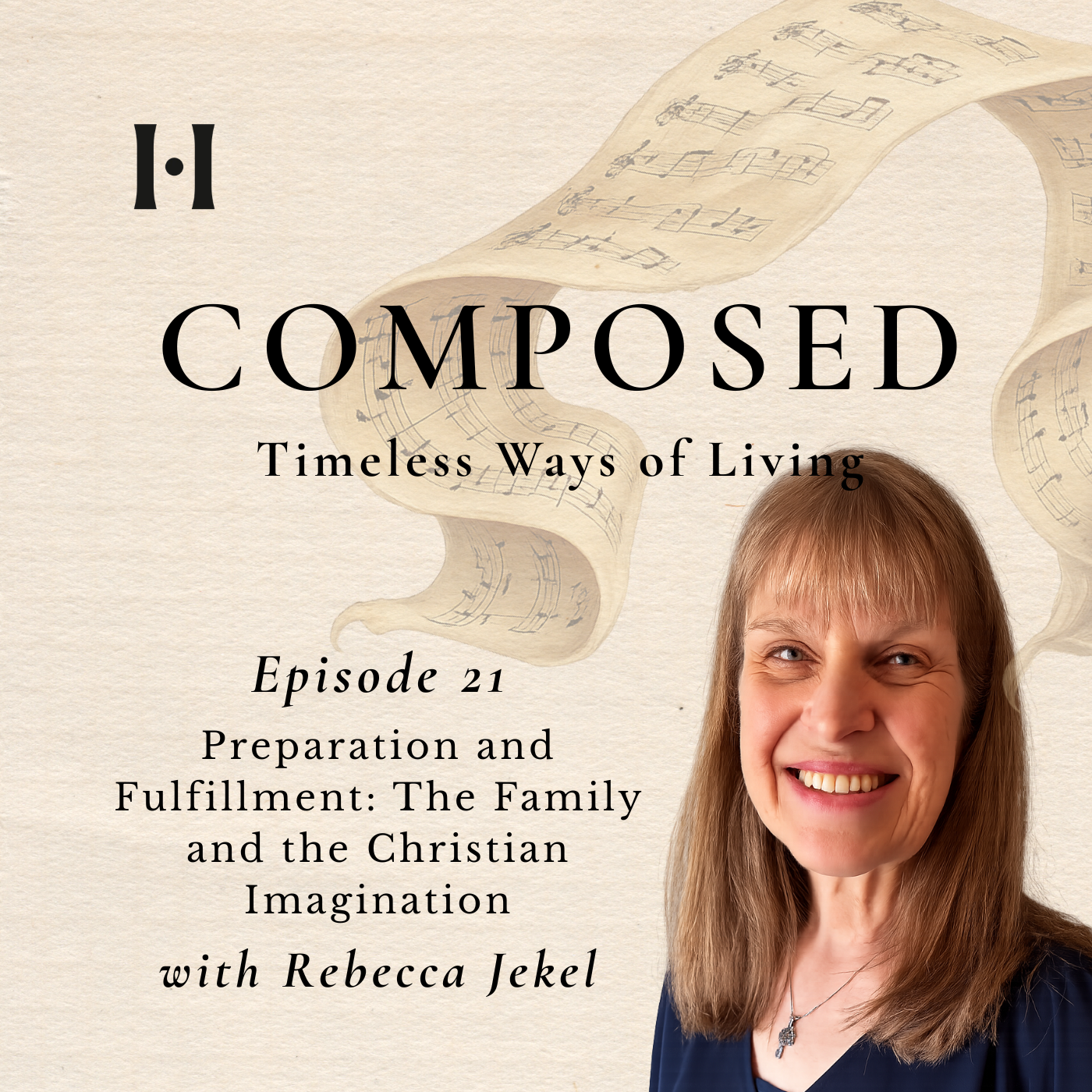
Composed: Timeless Ways of Living
Preparation and Fulfillment: The Family and the Christian Imagination

What if composing a meaningful life begins not with finding the perfect routine, but with learning to love and practice the good things already in front of us? In this episode of Composed: Timeless Ways of Living, Christine Perrin talks with Rebecca Jekel about music shared across generations, the preparation that makes feasting possible, the rhythms of the Church, and the stories of women in Scripture. Their conversation explores how ordinary practices like singing, reading, cooking, hospitality, and gathering with others can become patterns of formation. Rebecca offers an encouraging vision for families who feel pressure to optimize every activity: what we genuinely love, faithfully practiced and generously shared, can become part of the inheritance we give our children. Rebecca also reflects on Scripture as a story of preparation, fall, return, and fulfillment. Through Eve, Sarah, Miriam, Rahab, Ruth, Deborah, Photini, and Mary, she considers the courage, faith, hospitality, and perseverance woven through salvation history. For anyone longing for more structure or meaning in daily life, her invitation is refreshingly concrete: begin with small, learnable practices, especially the domestic arts, and allow their simple cycles of preparation and enjoyment to teach you how a life is composed. Nothing happens outside this rhythm in a family, in the life we make, and in the historic redemptive arc.
Contributors

Guest
Rebecca Jekel
Rebecca Jekel is a mother and grandmother with interests in music, stories, and personality patterns. She lives in a quiet empty nest with her husband and works in home care providing people with companionship and help with activities of daily living. When not working, Rebecca reads, writes, sings, gathers with family and friends, and follows discussions on writing craft and personality theory. Rebecca most often finds beauty and perspective in the arts, the Church’s Liturgy and teachings, observing children and animals, and learning people’s stories one-on-one.
Host
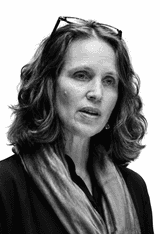
Christine Perrin
Podcast Host and Contributing Writer
Christine Perrin is a literature professor, writer, poet, and podcast host. After teaching literature full-time at Messiah University for almost 20 years, Christine arranges her time to write, teach in Italy, and host the Composed Podcast. Christine is a graduate of Johns Hopkins University (BA in Writing Seminars) and the University of Maryland (MFA in Poetry).
Related Resources
More Than a Résumé: Classical School Graduates on Who They’ve Become
Classical school graduates reflect on who they’ve become and how their education formed them in mind, character, and a lifelong love of learning.
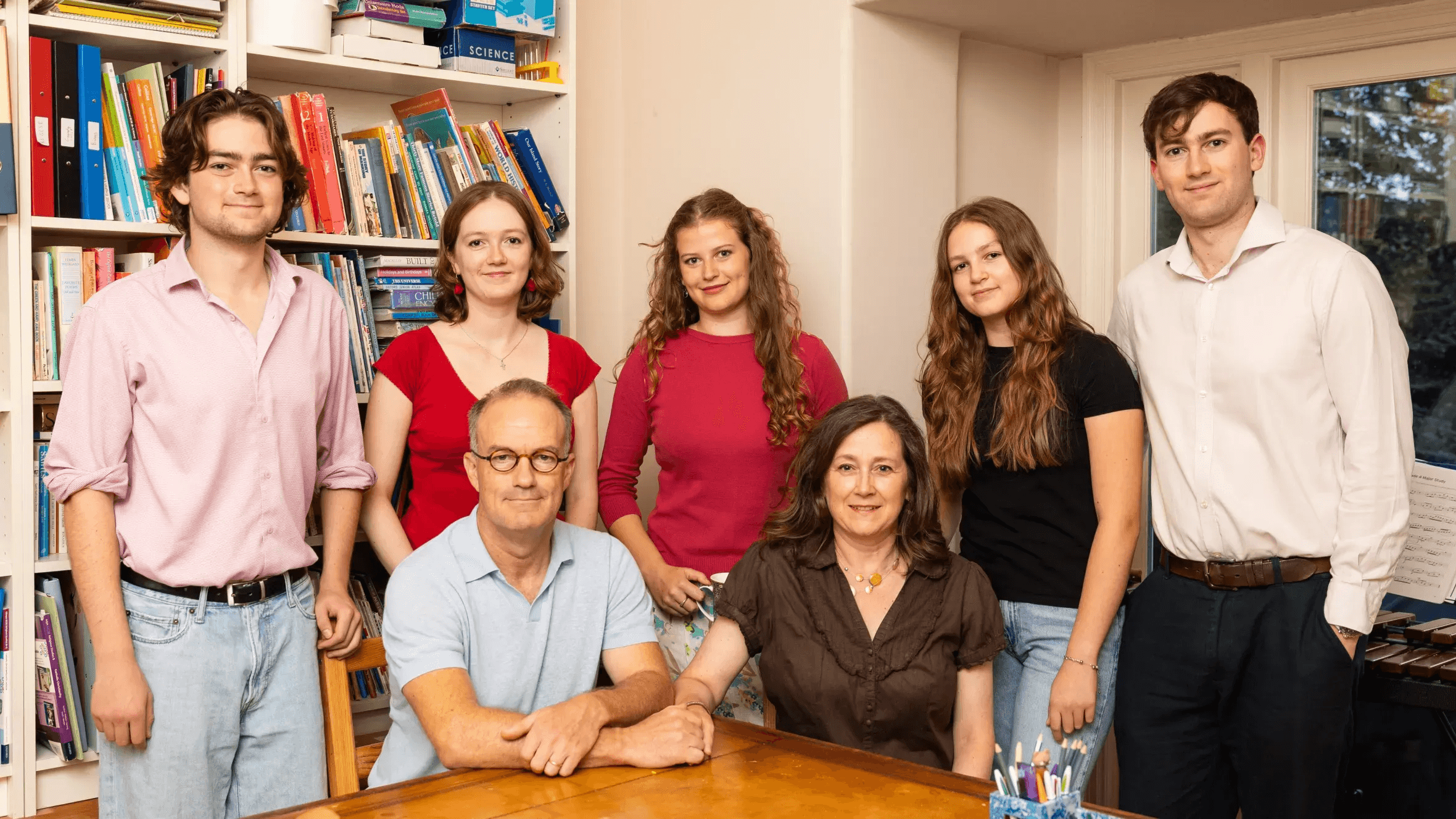
I home schooled my children till 16 — all four got into Oxbridge
This week my son Xavier will start his first term at Oxford University studying maths, my fourth child to get into Oxbridge. His older sisters, Olivia and Felicity, are Oxford graduates in classics and music respectively and his older brother, Max, has a degree in engineering from Cambridge. Two of them had choral scholarships; two had academic scholarships.

School-Choice Tax Credit Gets Big Boost From Treasury
Married couples can donate double, making tax break worth $3,400, not $1,700