How classical education can be an antidote to AI
AI is more likely to harm education than help it. Classical education will become ever more relevant.

July 24, 2026
AI is more likely to harm education than help it. Classical education will become ever more relevant.
July 24, 2026
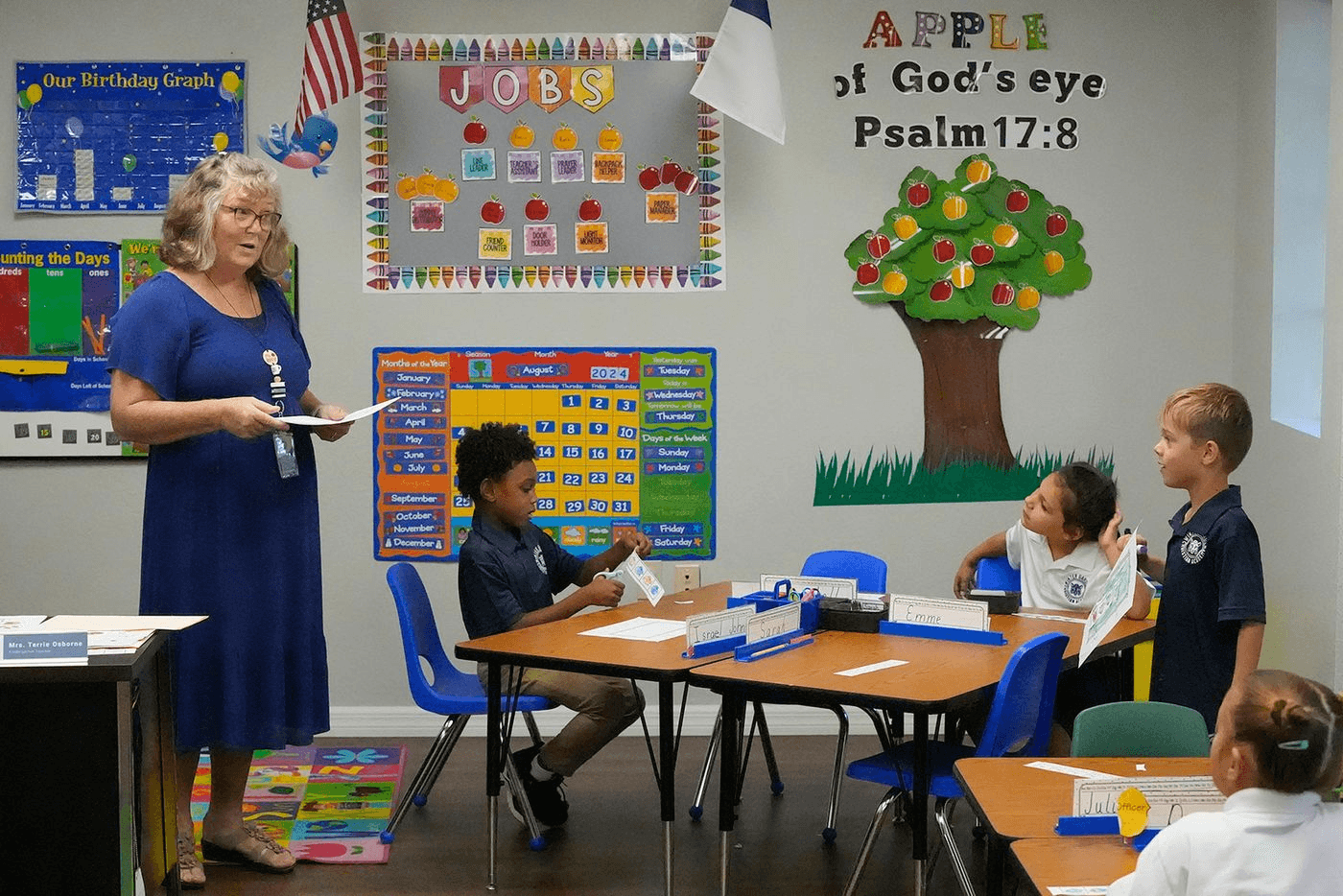
How classical education can be an antidote to AI
Religion News Service • Thomas Varacalli
As AI promises faster answers and easier shortcuts, what might students lose along the way? This timely reflection makes the case that classical education, with its demands of memory, discipline, reason, and wonder, can form young people not merely to use intelligent tools, but to become wise and fully human.
Religion News Service
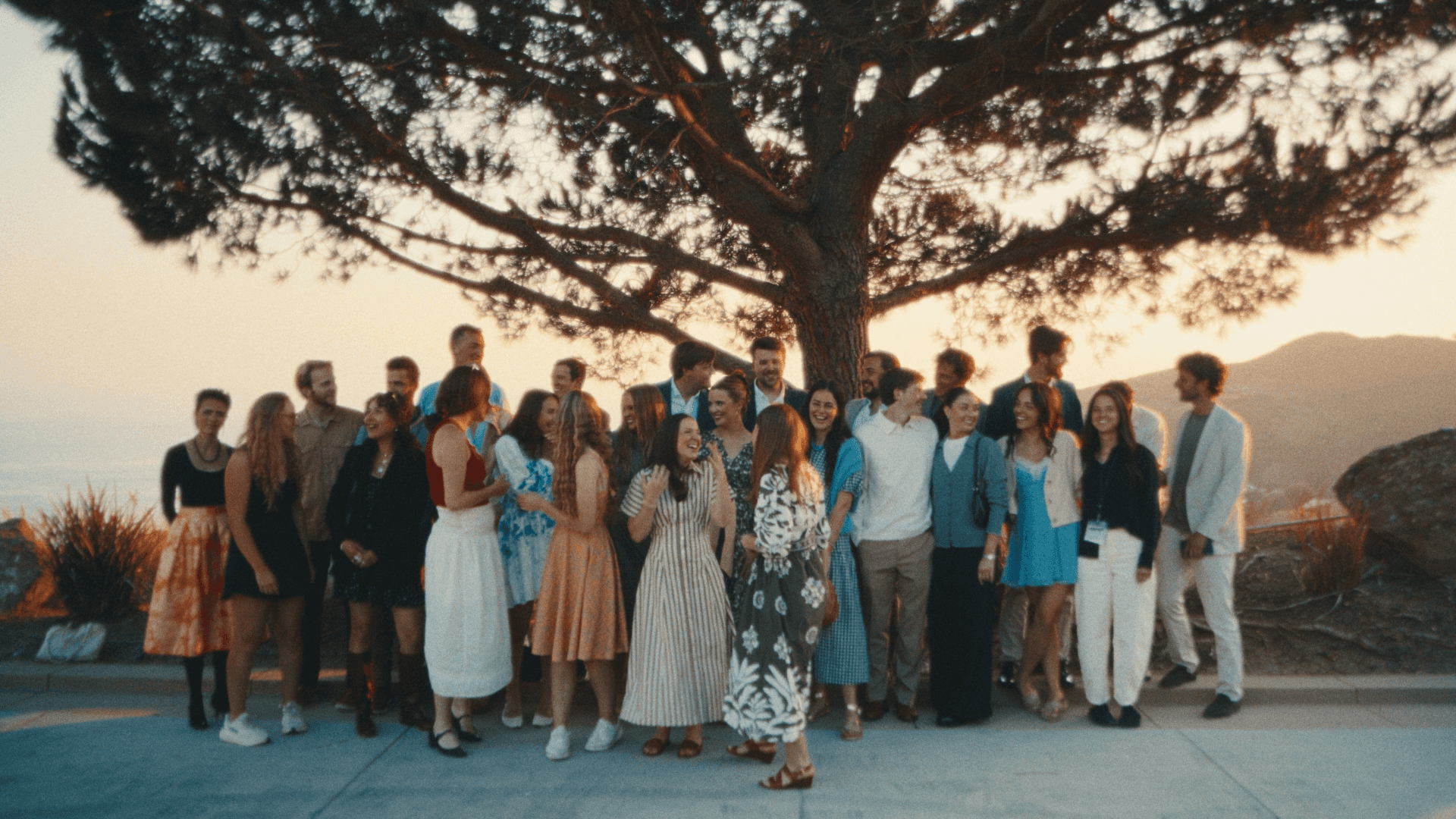
Classical school graduates reflect on who they’ve become and how their education formed them in mind, character, and a lifelong love of learning.
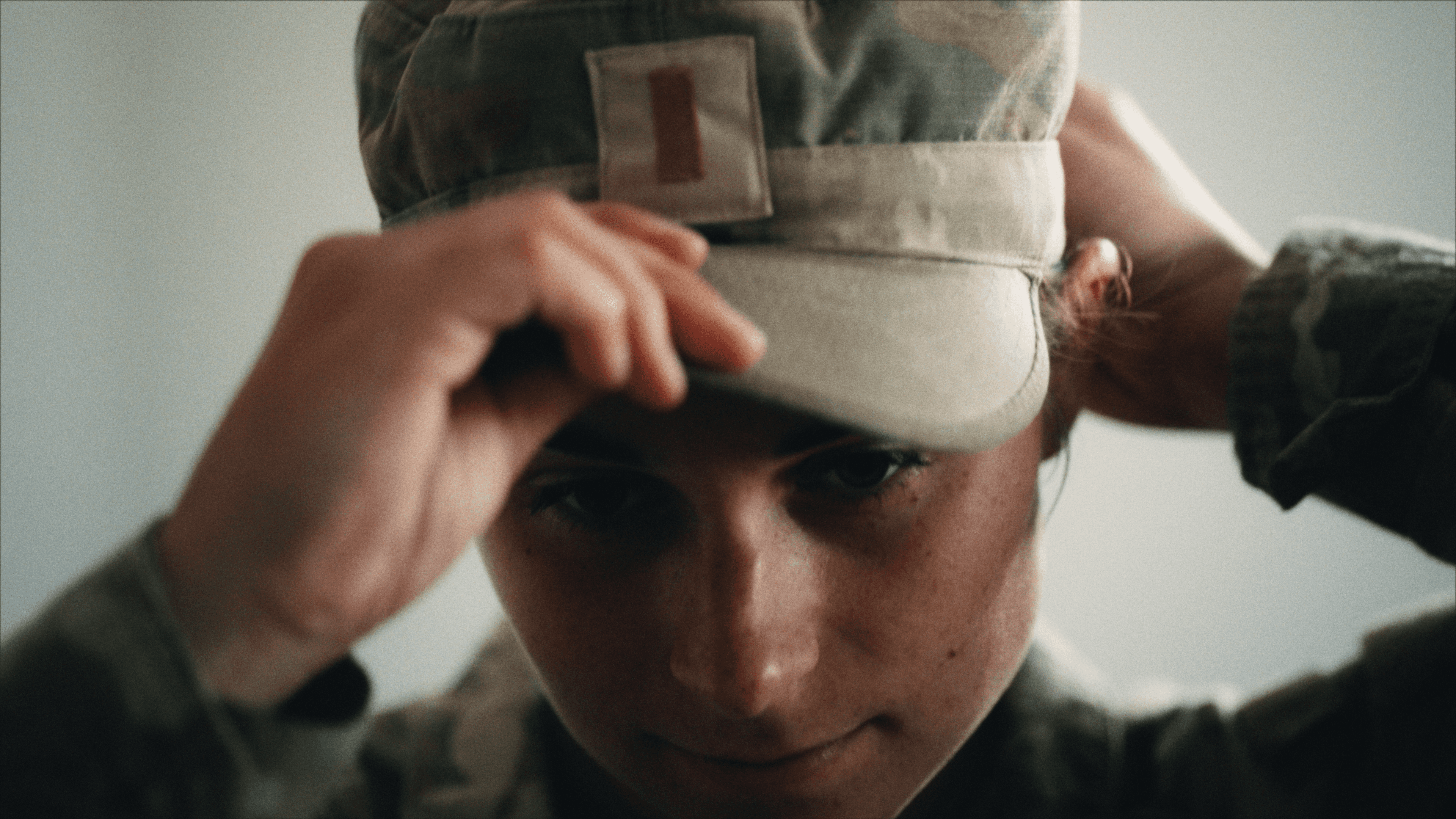
In Sarah’s words, her teachers taught her “how to know what’s right and how to do what’s right.” That is what we mean when we say a classical education prepares young people for real life.
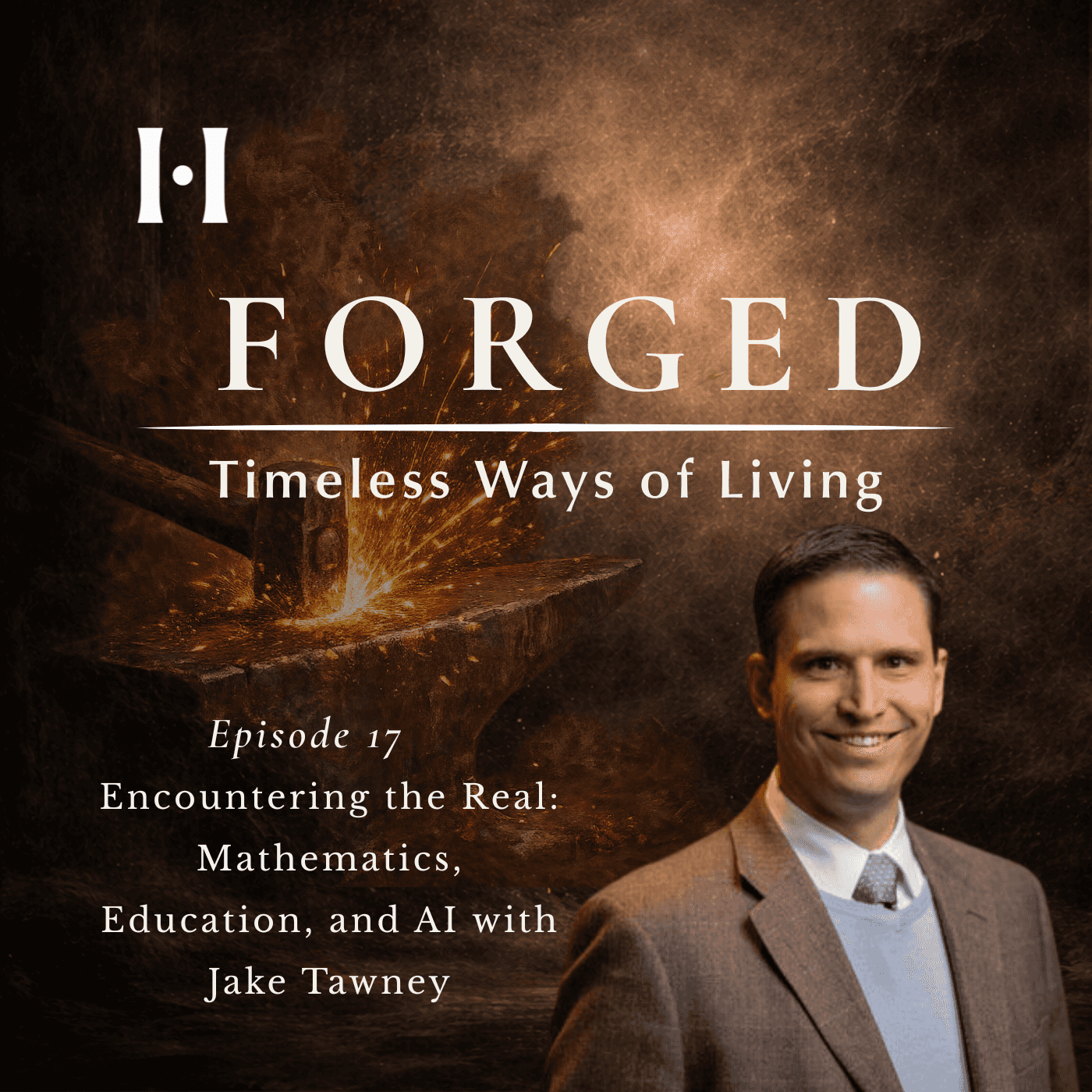
What if mathematics is not merely a tool for solving problems, but a way of encountering reality? In this episode of Forged, Brian Williams talks with mathematician and educator Jake Tawney about the beauty of number and shape, why wonder belongs at the heart of education, and what we risk losing when technology begins doing our thinking for us. From Euclid and fractals to calculators and artificial intelligence, Jake makes the case that education should begin with real things worth knowing and loving. Their conversation ultimately turns toward a larger question: What habits, practices, and encounters help us become more fully human? Jake and Brian explore why mathematics has so often been reduced to computation, how teachers can invite students into genuine wonder, and why AI raises deeper questions than efficiency alone. Jake also reflects on the practices that have shaped his own life as a husband and father, including prayer, cooking, wine, reading aloud, and the conviction that our first calling is to give ourselves for the good of others. Books & Resources Mentioned Another Sort of Mathematics: Selected Proofs Necessary to Acquire a True Education in Mathematics by Jake Tawney Euclid’s Elements A Mathematician’s Lament by Paul Lockhart The Lion, the Witch and the Wardrobe by C. S. Lewis Gaudium et Spes (Pastoral Constitution on the Church in the Modern World), especially paragraphs 22 and 24