Brian Williams: Hey, folks. This is Brian Williams, host of Forged, a podcast of Eukomana Tas Institute about forging well lived ordinary lives through discipline, delight, craft, and calling. Today on Forged, I'm privileged to welcome doctor Lydia Dugdale. Lydia is an internal medicine physician, medical ethicist, and professor of medicine at Columbia University where she also directs the Center for Clinical Medical Ethics. Welcome to Forged, Lydia.
Lydia Dugdale: Thanks, Brian. Thanks for having me.
Brian Williams: I'm interested today in talking with Lydia about an important moment in a well lived ordinary life, which is a well lived ordinary death. Lydia reflects on this in her well known book, The Lost Art of Dying, Reviving Forgotten Wisdom, which I have in my hand here. And I suspect it's a topic she'll revisit in her upcoming book on hope. So Lydia, for listeners who don't know you, can you just tell us a little bit more about yourself and your family, what you do, where you are, and how you got there?
Lydia Dugdale: Sure. So I am a physician and a medical ethicist in New York City at Columbia University. I trained as a primary care doctor and have been practicing primary care, taking care of patients for about twenty years. I kind of grew up in my academic way in ethics. A lot of doctors in academia do research, and my research has always sort of been on the moral questions that pervade medicine, and I find that super fascinating.
So, anyway, now I direct an ethics center at Columbia. I co direct the clinical ethics world in our hospital, help write policy as regards ethical issues in the health system, and then do a lot of teaching to undergraduates and medical students and young doctors.
Brian Williams: Okay. Great. And you and your family live in Manhattan. Is that right?
Lydia Dugdale: We live, yep, live in New York City. I have two teenage girls and a lovely husband.
Brian Williams: Okay. There we go. Did you always wanna do medicine? Was that a was that an interest as a as a as a young girl?
Lydia Dugdale: No. In fact, I never wanted to be a doctor. Yeah. It was very much a call on my life. Actually, I remember my dad asking me when I was in first grade, he was dropping me off for my pediatric appointment, my sort of annual physical.
And he said, you know, Lydia, have you ever thought about being a doctor? And I said, absolutely not. No interest. And that was that, and really closed that book. I don't come from a medical or even a science family, so the idea of going into medicine struck me as ridiculous.
You you know, our people are not scientific people, as my mother would say.
Brian Williams: So how did you find your way into into medicine?
Lydia Dugdale: Yeah. So I did some volunteer work. I studied international relations in college and did some volunteer work abroad every summer, and it's just easy to volunteer in a health care related capacity when you're overseas. And little by little, people started suggesting to me, you know, maybe you should think about medicine. You seem to have a lot of compassion.
You seem to really care. Maybe you should become a doctor. So it's sort of people speaking it to me. At the same time, my heart gradually, very gradually sort of took five years, warmed to the idea. And after five years, I relented and went to medical school.
And so I got there and I thought, what am I doing? I I could do the work just fine. It was just that my heart wasn't in it. And then I found ethics, and I thought, oh, this sort of satisfies my humanities itch because ethics is not just about the science. It's about these social implications of what we do.
It's about trying to discern what is the right thing. It's about making sense of new technologies and blurring distinctions between life and death. Ethical questions have a lot of import for how we live and die. And so that was where I kind of was able to marry my humanity's upbringing and humanity's sensibilities with the medical science.
Brian Williams: Yeah. And in this book, you really reach back to the wisdom tradition of ethics around the practice and experience of death and dying. If anybody's lived long enough, we know that death is something we all face. Right? If you've lived long enough, you've lost a loved one.
Or if you're like me, you've had enough near death experiences that you think, okay, if that had gone slightly different one way or the other, that that could have been it. I used to teach Homer's epic, The Iliad, and I was always struck in that epic poem that the gods are called the, the undying ones, and all the human characters are literally called, the dying Like, that's how they're referred to. So in ancient world, death wasn't really seen as a medical failure. It was one of our defining characteristics. But in this book, you seem to argue that in our contemporary society generally, and in the medical profession, maybe specifically, that we don't know how to face death well.
Why is that, and how did that happen?
Lydia Dugdale: Yeah. Lots of reasons. How to summarize quickly? You know, I think part of it is that in the last hundred years, there has been massive development of medical technology that is that has really made dying feel optional. Now, of course, it's not optional.
We all die. But we live as though despite whatever diagnosis I may receive, the cure is just around the corner. If I just hold on long enough, there will be an antidote, and then and then I'll be fine. And so that's kind of in the medical realm, and it's really true. I mean, we do extraordinary things in the hospital.
Extraordinary things. And we really, you know, people often ask me, have you ever seen a miracle, like a real miracle? Someone who should be dead is you know, the answer is probably no. Although I I still think it's possible. Miracles are possible.
But the everyday practice of medicine is filled with so many miracles. The fact that we can transplant organs and keep people alive for decades. Even even dialysis, which replaces kidney function, is its own kind of miracle. So there's just there's just daily miracles in medicine. Having having said that, another reason in addition to the advancement of medical technology that we just aren't prepared for mortality.
Right? We don't we don't use the language of mortal and immortal as as the Iliad did, is is because we have lost the art of preparation for death, frankly. And that comes that's really a move that in part coincides with the advancement of technology, but it it predates it slightly in that, for hundreds and hundreds of years in the West, we had these really deep traditions of anticipating death and preparing. It's part of community. It was part of ritual.
It was part of liturgy. It was it was part of what it meant to be in any sort of neighborhood. You even if you didn't know the person, you showed up when they were dying and sort of paraded past the bedside. Those kinds of practices and rituals fell out of favor in the nineteen twenties as we emerged from World War one and then the global flu pandemic of nineteen eighteen to 1920. So we got to the other side of six years of global death, right, from war and pandemic.
We got to the other side of that, and interest societal interest in these traditional practices of preparing for death just waned. They just went away. People did not want to think about death. They wanted to think about getting on with life. And if you just think back to your own experience of COVID, most of us had experiences during COVID where we wanted to take a trip or we wanted to go visit family, and that flight got canceled and canceled and canceled.
And it got to the end of a year of COVID, and we just saw I just want things to go back to normal.
Brian Williams: And I don't wanna see another person in a mask. Right? I don't wanna see another person. Even now, when I see some a picture of somebody in a mask, I'm like, oh, I don't wanna be remembered of what was really a pretty lousy time for the world.
Lydia Dugdale: Yes. Yes. Yes. The masks are are making a resurgence in New York City with this Ebola Ebola and Hanta.
Brian Williams: Is that right?
Lydia Dugdale: Another conversation. Yeah.
Brian Williams: But your your take really is that this happened, we think it you you think in the nineteen twenties after World War one, the flu epidemic epidemic, and then we go into the roaring twenties, and the last thing we wanna be reminded of is death.
Lydia Dugdale: Yes. Correct. And then you add there's another there's a couple more layers. So, another layer is the rise of the hospital. So if you look at the eighteen seventies, we had something like fewer than 300 hospitals.
I think it was 270 some. By the nineteen teens, there were more than 6,000 hospitals in America, which is slightly higher than the number today. Now it's hard to count hospitals or consolidations, blah blah blah. But my point is is that hospital went from being relatively rare to being widely available. So why would you die at home if there is a a medical home that could care for you and possibly save your life?
You add to that another factor, which is the rise of industrialization, where people in early America lived on homesteads in rural places. There were lots of family members around to care for the sick and space, frankly. And now you have with industrialization people moving to urban areas, living in small flats, working long shifts, and there's no one available to care for the sick or space. So you have that factor. And then there's the I would say the the final element to sort of throw on all of this is the move I mean, there's a sort of superimposed secularization.
Right? The the religious life had always prepared the faithful for death. So you see, in if you study the texts of sermons and homilies pre 1920, post 1920, there's a shift away from the clergy preparing the faithful for death. And then and then you have the secularization of society. Why would you be thinking about heaven, hell, afterlife, all those kinds of questions if you can get on with living and really live your best life now?
I mean, it's really about squeezing every little bit you can out of this life because that's all there is, right, is the thinking. And so those reasons combined, we've moved away from from seeing death. And if I ask I teach an undergraduate class at Columbia, Living Dying and the Meaning of Life. We have a 100 kids. And I always ask them, how many of you have sat with a dying loved one?
These are I mean, they're usually seniors, so they're 21, 22. But, obviously, the vast minority have not. And so but but you think about this a hundred years ago, most people would have seen death. Almost everybody would have seen death. Child mortality was so high.
People didn't live as long, and death was in the home, but it's not any longer. And so so young people haven't seen death. Middle aged people haven't seen death. I've noticed this, you know, speaking on the book on The Lost Art of Dying, talking to my same peer group, you know, late forties, early fifties. They're all bracing for their aging parents.
We are all bracing for our aging parents, but yet have no idea what the tasks are, what the practices should be to care for a dying person at home. We have no idea. We have no experience.
Brian Williams: That's really fascinating because I think for most of us, it is that experience. I teach graduating seniors in a class called The Ordinary Life, and one of the things we one of the last days in that class is we read the book of Ecclesiastes, and I have them write their own funeral service and their own eulogy and obituary for themselves. It's So so good. But it's profoundly unsettling and profoundly moving start by asking how many of them have even been to a funeral. And it's always surprising how few of them remember going to a funeral or certainly remember a viewing or an open casket funeral.
And these are 22 year olds. And so I think it's their experience of death is several times removed. So how did you end up rediscovering then this Ars Moriindi tradition? I mean, you're a, you know, modern physician in a leading urban hospitals, and then you find yourself perusing these fifteenth century wood blocks about death. What what's what's the story there?
How did you discover these?
Lydia Dugdale: Yeah. I I mean, I was just really bothered by the way we approach death in the hospital. I it's funny. I was just deeply troubled as a trainee, and then when I became a a young doctor, we would you know, doctors often use this language of we are torturing the patients to death. And that's, you know, that's kinda insider speak, but it's this feeling of really dragging out the dying process with the use of machines for patients we know will never have a meaningful recovery.
And now to be very clear, I'm not advocating for the hastening of death. I am advocating for not delaying a natural death that is imminent by using technology to sort of stave it off and squeeze out every ounce of or I should say every second of life we can. So there's a distinction there, and I I have to say that line is a really difficult line to draw. And so because is that?
Brian Williams: Just just say that explicitly. What line is a difficult
Lydia Dugdale: line to draw? The line between when we are hastening death and dragging out the dying process. Right? So an example would be if I have a 70 year old patient come in with a bad pneumonia who needs life support, Just, you know, for forty eight, seventy two hours, get the antibiotics working, take care of the pneumonia. She's gonna go home.
She might need a little rehab if she was deconditioned coming in, but she'll go home. If you don't give life support in that instance, that is hastening death. Right? This is a person who's gonna rebound pretty quickly. Now you contrast that with a 70 year old with very bad progressive lung disease that will never reverse course and now is in for her fifteenth hospitalization, and we think she will probably never come off the breathing machine.
And she's severely ill with a terrible pneumonia. Now in that instance, when it has been shown after week after week, she still needs the breathing machine and is not really recovering any cognitive function, that's where it starts to feel like maybe the machines are just staving off the inevitable and death is actually it's very imminent. But we are we keep using the technology and not having the difficult conversations because it's just easier to keep machines running than to tell a family, you know, your loved one who's had this terrible disease disease for so many years and has gotten out of the hospital many times. This time, it doesn't feel like we're gonna turn the corner. But then you have the the piece of of hope.
Is it false hope? Right? Where families will often push back and say, no. No. No.
Let's just, you know, let's just keep going for a little while longer. But when that little while longer turns into months and months and months, it it starts to feel like we are doing harm, and we are damaging the dignity of a dying person rather than, you know, allowing them to just die a natural death.
Brian Williams: So let me ask you this question as a trained physician who trains physicians. Are physicians trained to help patients die well, or are physicians simply trained to keep life going at all costs?
Lydia Dugdale: I mean, I don't wanna be so unfair, but I would say if you were to say which one is it, it's probably like 80% use the technology, 20% reflect on what it means to die well, or maybe ninety ten. So it's not like we don't ever have these conversations, but they are very rare compared to the technological imperative. You've got a machine. You might as well use the intervention. Besides, nobody wants her to die.
Right? The family's sitting there, do everything. Do everything. And and, you know, in some states, New York being one, if a family, insists on life sustaining therapy, we are obligated by law to use it even if everybody's sitting there saying she's dying. She's dying.
We still have to keep the machines running. So yeah. So there's some state
Brian Williams: laws there. Question here. Did you write this book for other physicians or for patients? Because it Yeah. Strikes me that it it that physicians are are trained professionally to keep life going.
I mean, that's what your job is. Right? And so it could be very hard for a physician to let a patient go, to take that difficult decision to say, we are really unnaturally prolonging the life of this dying person. So when you wrote this book, did you have physicians in mind or patients in mind?
Lydia Dugdale: Okay. So let me ask answer your last question. But before I answer that last question, if I remember it, I want to just address something you just said. You said physicians are trained to keep life going. And I would say, yes on the whole per what we were just discussing, but historically, that's not the case.
And so there is a need to recover and be mindful of different or better or more holistic approaches to doctoring. So that's part of what I believe. And I I think once you make a compelling case to almost any physician, they'll say, yeah. We need a holistic approach to life and death. It's just that machines are most efficient, and we operate on efficiency in the hospital.
So going back to why I got interested in thinking about, you know, wood blocks and dying well, I was so disturbed by what I saw. I kept asking the question, how has this been done differently? How have people approached death differently in the West, which is where I'm from and what I know, in advance of the dying moment? Right? And how has it affected health care?
And so I kept asking myself this question. I just I I became somewhat not obsessive, but it was like the driving question throughout medical training and early in my career. And then when I was doing some reading on end of life ethics stuff, I stumbled across this mention of the or the art of dying. And I thought, oh, what's this? Is this the answer?
And so then I took this deep dive into exploring this, you know, hundreds of years old tradition of the art of dying or the ars moriendi, Latin for the art of dying. And that's what led to to a journal article and which got a lot of attention, led to the first book, which led to the second book. Okay. So that's that. For whom did I write it?
Well, one of the things that struck me about the Ars Moriandi when I discovered it is that it was specifically an attempt to empower the laity to prepare for death well in advance of the dying moment. And I thought, oh, okay. So who is the equivalent of the laity today? Well, I mean, if if the modern priest is the doctor or at least the doctor conceives of himself that way, right, is the intermediary between life and death. Although everybody will tell you it's really the nurse, in the hospital setting.
But, yeah, doctor conceives of himself that way. The laity then is is the non clergy. It's the patient. And if my colleagues in the hospital are not going to take the time to think, prudently about what is the best holistic care for this patient and just reflex to the technology, then then we need to empower the laity. So my primary audience in writing the book was actually my patients.
That's my primary audience. And I was hopeful that some clinicians would read it, and in fact, many clinicians have. I was hopeful that, for example, bioethics students and divinity school students, both of which for my training and background would read it, and in fact, they have you know, it sort of shows up in these big questions courses at different universities around the country. So it, you know, it it has spoken into more audiences than I initially intended, but my first goal was to reach the patients.
Brian Williams: So so the Arsmore Indy tradition and and this book that includes reflections and and woodblock prints, what's the wisdom you rediscovered in the Arsmore Indy tradition?
Lydia Dugdale: Yeah. So so really the idea that if you want to die well, you have to live well. So preparation for the so called good death, which I don't actually like that term for many reasons, but so I usually say preparation for dying well begins with living well. And so then what does that mean? Well, think of every domain that matters to you for what it means to die well.
Is it having your relationships in order? Okay. Great. Well, how are they now while you're not dying? Right?
Is it figuring out those big existential even religious questions? Great. It is for most people. I'll tell you, you know, I have patients all the time say I don't care about religion. Fine.
You will when you're dying. Right? I mean, most people do when they're dying. They they and and I've seen that from taking care of patients, taking care of dying patients, and now they're asking these religious questions that they, have put off thinking about for most of their lives. So that's part of Dying Well.
How are you doing while you're living? Right? So really the idea that in every domain, sometimes non completely non religious, very very sort of self assured atheists will say, well, look, I don't care about any of those big questions, but what I care about is how people remember me. Great. Legacy work.
You care about your legacy? Well, what are you doing right now to ensure that you are becoming the kind of person you want to be remembered as? And so then, you know, from from your own work, Brian, that gets into questions of virtue. Right? Are you I mean, there's there's sort of the kind of mercantile legacy work, but there's also the the deeply robust sort of virtue legacy work.
And are you growing into the kind of person that you want your children and your grandchildren or your spouse or whomever to remember you as being. That's part of it. And then I think even there's a very practical, understanding of the health care system. I was astounded a couple of years ago. I was asked to speak to a parent group at a private school in New York City.
And, you know, these are all high performing, high functioning professionals who were in the so called sandwich generation. Right? Kids and aging parents. And so most of them who came were not interested in thinking about the death of their children because their kids aren't gonna die statistically speaking anytime soon. They're thinking about their parents.
And so when I asked them, you know, I realized in the conversation because I speak to so many medical audiences, they understand the technology. I asked them, do you do you guys even know what technology is possible at the end of life? Blank stare. I mean, they just
Brian Williams: you haven't been through it, you had you would have no idea.
Lydia Dugdale: No idea.
Brian Williams: You have no reason
Lydia Dugdale: to You're not medical? Yep. And then you get
Brian Williams: in there, and I think to your point, you get in there, and you're sitting with a dying member of your family, and you're faced with all of these questions that you've never thought through before. And you're confronting a situation that you are ill equipped to to to deal with, seems like to me. So so in this tradition, just tell us what the this Ars Moriendi book is, because I think a lot of people might not know what this what this is. This was a this was a kind of handbook. Right?
Lydia Dugdale: Mhmm. Yeah. It was a handbook on the preparation for death. One early scholar on the Ars Moriendi said, you know, it was meant to be at the bedside of every dying person, which is really all of us. Right?
Because, you know, we're all on that track. The Ars Moriendi, the oldest manuscript that we are aware of dates to 1415. And the the genre developed during the aftermath of the bubonic plague outbreak of the mid thirteen hundreds. So mid thirteen hundreds, we see this devastating episode of plague sweep through Western Europe, starts in what we think of as modern day China today, moves westward, and historians estimate that this particular outbreak killed as many as two thirds of the population. And the reason why that matters is because there had been other pretty devastating outbreaks of plague in the past, but the max was sort of fifty percent of the population, a third of the population.
So the fact that in some areas, two thirds of the population succumbed is is just huge. And if you think about COVID and, you know, here in New York City, I moved to the city six months before COVID hit. So, you know, got got we got settled, got the kids in school, got an apartment, COVID hits. I become a frontline COVID doctor. There are so many bodies.
We fill up the morgue. We bring in these, you know, semi trucks that have refrigerated pop up morgues, they're parked all over the place full of bodies. One of my chaplain friends was trying to, like, do benedictions for these bodies and these trucks. I mean, was surreal. Okay.
COVID was less than half of one percent of the population who died. Now imagine one third, one half, two thirds. There are bodies everywhere. Right? So death is so rampant.
Burials weren't properly done. There were mass graves. There were bodies not buried. There were clergy who were well connected and just skipped town. They just got out of dodge.
There were other clergy who stayed and just died because they were so close to caring for their parishioners that they died in the effort. But what that meant is that survivors not only were totally traumatized. Right? And now you think how disrupted would a society be? Shops empty, farms fallow, children orphaned, you know, folks widowed, rich people without servants, and servants without masters.
I mean, it's just disruptive in every way. So society is trying to pull itself back together. And one of the refrains was how do we, the laity, anticipate and prepare for death if it comes back? Now there was you have to keep in mind most of the population in the late thirteen hundreds was illiterate. So they would ask the social authority, which is the clergy, and this is before the Protestant Reformation.
So you have one Western church. So the folks who were surviving would go to the clergy and say, how are you gonna help us do this? And the clergy didn't really have an answer. What's more, the Western church in the late thirteen hundreds was divided. There were two men and then later three men simultaneously claiming to be pope.
So you have all these problems in the church. No a real leadership failure. And so it takes until fourteen fifteen for the first handbook to be circulated. There's a scholar who recently challenged me on this and said, I don't think that this genre of literature so we have the first handbook which then becomes many handbooks in lots of different languages and traditions. He challenged me and said, I don't think it was the bubonic plague that triggered it.
But all of my work kind of suggested that it was. Mhmm. And and he also wasn't so sure that it was the the fault of the church for not having a response so long. But I think in an illiterate society that's highly dependent on clergy for answers for things, I don't see, you know, I don't see any other way that it could have been. So I suppose I'm saying that there's a little bit of a dispute about the origin of the Ars Moriandi, but we do know that the earliest version dates to 1415 that is known and that the although the original author is anonymous, the work bears a striking similarity to a handbook whose author was known, who was part of the council that resolved this problem of the popes.
And so with this anonymous handbook, it's written in Latin, it takes off. All these guys who convened in Constance to solve the pope problem then after several years go back to their jurisdictions, their homes, and we think took copies of the Ars Moriandi with them. Now this is still before the printing press. But then you have the printing press develop, and then you just see handbooks on the preparation for death everywhere. Once you have the Protestant Reformation, there are straight up Protestant versions.
Jeremy Taylor's Holy Living and Holy Dying is probably the most famous. But then you start seeing them in every denomination. You see the Jewish versions at the time of the US civil war. Former president of Harvard University Drew Faust has written a book on death practices and the civil war, how the civil war changed the way we deal with death in The US. And she talks about the Ars Moriandi all throughout her book, This Republic of Suffering.
And talks about how by the time of the US Civil War, whether you're from the North or the South, whether you're religious or not, practicing the ars moriendi or the art of dying was just part of being brought up well. You learn your table manners. You learn to read. You learn the art of conversation, and you learn the art of dying. This is just part of it.
And we don't really have an equivalent today. You know, it's like estate planning if you're from a kind of a middle class or upper middle class family. That's it. But estate planning is like a couple meetings with a lawyer and some paperwork that's not practicing lifelong anticipation of death. And when I say lifelong anticipation of death, I wanna be very careful.
This is not obsessive sort of dress in black and, you know, thick eyeliner and know?
Brian Williams: It was called the nineteen eighties where I grew up. Right? I think we I went through that. It was fun, but it wasn't really preparation for death.
Lydia Dugdale: Yeah. That's right. That's right. So
Brian Williams: Yeah. And so it was fascinating that these handbooks for death, for preparing for death, were ubiquitous into the nineteenth century in America, and then we lost it. The other thing that's fascinating to me is that even though death was so prevalent and so present in people's lives, if you go to medieval churches throughout Europe, you'll often find a skeleton painted by the back door, or you'll see graves in the churches, and that famous quote that I've seen on so many, what you are now, I once was, what I am now, you too shall be. Right? Reminding the person, you're going to die.
And, you know, I wonder what was lost too when you stopped walking to church through a graveyard. Right? Because when you used to go to church, you would see the graves of people who were in your church, in your parish just a few years before you, and you're reminded every time you go to church, this is gonna be me. You see it on the back wall, or you see so many saints paintings. And what's on the desk?
What are they holding? A skull. Or the whole Vanitas tradition of painting the wilting flowers, the dying butterfly. So even though life or even though death was so present to them, right, they still had all of these reminders.
Lydia Dugdale: Yeah. Whereas for us today. Nothing. You know, there's no comparison. Right?
It's like Botox and instant fashion that what do they call it? Rapid fashion or something where it's
Brian Williams: Fast fashion.
Lydia Dugdale: Fast fashion.
Brian Williams: Thank you. Fast fashion and Botox. Stock our moral imagination around around death.
Lydia Dugdale: Yeah. And where we do talk about death then, it is a turn to hastening death through death on demand and physician assisted suicide. And I think, you know, when I think about the movies that have been made recently about mortality, they're they're basically advocacy for physician assisted suicide. So
Brian Williams: So what's what's what's your thoughts on that? Because I know you have some. I mean, because one could say couple. One could say that physician assisted suicide or what's called medical aid in dying is a kind of dying with dignity. Is it kind of, yeah, a dignified death for somebody who is dying?
And but what's your what's your take on that? Is it a kind of dignified death, or is there a problem there, and it's a failure to know how to die well?
Lydia Dugdale: Yeah. So, you know, it depends on what you mean by dignity. If by dignified death, you mean one that is controlled in the environment you want, at the time you want, with the people around you that you want, and that's what you mean by dignified death, then yes. That's what it is. Now it doesn't happen in a vacuum.
Right? You still have a clinician, used to be a physician, but increasingly could be a nurse or nurse practitioner, who has to make an adjudication about whether you meet criteria to have a chemically hastened death. So anytime you have a human being making a decision about life and death, woe to that human being. Right? That is wow.
That's a role of grave importance. One of my mentors in ethics was a legal scholar at Yale Law School named Robert Burt, and he he was unfortunately, died early. He was the loveliest and such a thoughtful person about death. He wrote a book called Death Is That Man, Taking Names. And one of the things he said to me once is, Lydia, I think if as a society we're moving to legalize medical aid in dying or or assisted suicide, the people who are the practitioners of it should be the ones who are most uncomfortable with it.
Or legalizing death on demand is going to lead to abuses. And that is absolutely what we see. And so not only do you have an individual who's now the arbiter of life and death, a role which traditionally was, you know, ascribed to God. So you have clinicians playing God. You have the potential for people who don't meet these strict criteria now having chemically induced deaths.
And we're seeing this play out all the time. In Canada, fewer abuses in The United States, but there are some, and they're beginning to see more. And then you add to that, well, wow. Every major world religion has a prohibition on the taking of human life. Mhmm.
Is is this is facilitating a suicide? And it is a suicide because anytime you end your own life, that by definition is a suicide. Although advocates wanna say it's distinct from conventional suicide. But yeah. And we have this we have this global worldwide prohibition on the taking of human life that goes back to antiquity in every major world religion.
And in the Hippocratic medical tradition, there was a prohibition on the taking of human life. That's not the role of a doctor. The role of a doctor is to accompany and to heal, accompany all the way to the end of a natural death, but never to hasten it, and that was specifically in the original Hippocratic Oath. So I think, you know, from a professional standpoint, it's problematic. From a religious standpoint, it's problematic.
From a moral standpoint of being that arbiter of life and death, it's problematic. From a standpoint of vulnerable populations, it's problematic. There's one reason why we should legalize medical aid and dying, and that is because end of life care is very costly. Health care costs are skyrocketing out of control, and this is the most efficient way to solve the problem of an aging population with a concomitant low birth rate. Hasten death, and then you're not paying for those last very expensive months or years of life.
That's the most compelling argument in favor.
Brian Williams: And are you compelled by that argument?
Lydia Dugdale: I think it's so problematic.
Brian Williams: Yeah. It seems like is this your is this what you mean when you write about slow medicine in the book? A couple different times you refer to the need for slow medicine. Is that to slow medicine and medical technology down from intruding in places where it shouldn't rush in, either to save a truly dying patient from dying to just prolong a day or two, or to rush in in these kind of moments and hasten the death that's gonna come naturally. Is that what you mean by slow slow medicine?
Lydia Dugdale: Yeah. So my my colleague Jeff Bishop, who's a physician philosopher at Saint Louis University, he has this great I always quote him. He says, medicine is about doing and not about thinking. You spend any time in the hospital, you'll see it's go go go go go as fast as possible. Even in clinic, outpatient clinic where people are healthy.
What do I have? I have fifteen, twenty minutes per patient. We have to get through all their labs, all of their notes, all of their medication refills, all of their current problems. It's about doing. But to pause, right, and to not have a patient just go on that conveyor belt of more activity, of being things being done to them requires a slowdown.
And, you know, the work of reflection, the work of practical wisdom, the work of prudence. Right? All of that is not reflexive doing. It's reflective non doing until you know what the right thing to do is. But we don't have that sort of reflective non doing built into Mhmm.
An into the medical workday.
Brian Williams: Well, and for most of us who are on the patient side of this, you are in a world entirely unfamiliar to you. You're in a vulnerable position. You're unfamiliar with the world. It's entirely foreign, and you are really at the mercy of your health care practitioner. Feel like whatever they say I should do, well, of course I should do, because what do I know?
So I think this goes back to your point about writing this book in large part for the patients.
Lydia Dugdale: Mhmm.
Brian Williams: For people to say, no, you can slow this down, and you can think about what you might wanna have happen in these kind of moments, and that you have maybe more agency than you're aware of in those moments, as well as just with respect to preparing for your own death. So let me ask you about how you moved from a book on death to your current work on hope. Did did this all this reflection on death, did it spur you to reflect on on hope, which is the subject of your your new unpublished book?
Lydia Dugdale: Yeah. New unpublished book. Yes. Exactly. I mean, so I gave hundreds of book talks on The Lost Art of Dying, which was great and a lot of fun.
But one of the questions that often came up is, so what does hope look like when you're dying? And, you know, for a religious person, hope in the face of death might mean something very different than to a non religious person. But I'm at a big secular academic medical center, and a lot of the audiences to whom I've spoken are similarly aligned. And so then what does it mean to think about hope in the face of death or hope in the face of suffering or a terrible diagnosis for the person who does not have a theology of hope in the light of mortality, etcetera. And so I just started thinking about this and reading kind of everything I could.
I spent a year just reading all of these different accounts of hope, philosophies of hope, theologies of hope, kind of debating with people I was reading. I I mean, just kinda on paper, really. Does this make sense? Does this hold up? Does this hold up to what I see in the hospital with illness, with dying?
And anyway, that led to this very slow working out of of an account of hope that I think could be palatable to a very broad audience, but also that doesn't foreclose the possibility of a divine answer.
Brian Williams: What do mean by that?
Lydia Dugdale: So, you know, I come from the Christian tradition, and Christians would say, well, Jesus is our hope. The resurrection the resurrection of Christ gives us hope that even if I'm sick and dying you know, Ben Sasse lately has been talking about this really beautifully. Mhmm. Even if I'm sick and dying, there is, like, resurrection. There is the promise of a new body, of new life, really, of restored life.
And so for people from the Christian tradition, this is a way of making sense of suffering, illness, and death.
Brian Williams: Or it contextualizes it at least. Right? To say, I I I am suffering and dying, but I will pass through the veil and move into life after death or in in some ways of describing it, life after life after death and the resurrection.
Lydia Dugdale: Yeah. Totally. Totally. So if you don't have that, or if that all sounds like nonsense to you, then what what are you left with? And so the definition of hope that I sort of came around to is the habit or virtue, and I specifically like the language of virtue or habit here, which I could circle back to, but I'll just tell you tell you the definition.
Virtue or habit of orienting and reorienting toward a future good that is difficult yet possible to achieve. So it's future, it's good, it's really hard to attain, but it's possible. Right? Those four things. Now, the idea of a future good being attainable does not foreclose then the possibility of that future good being union with God.
Right? Which is a Christian account of hope.
Brian Williams: This would be a this would be a this would be a a natural moral virtue of hope versus the theological virtue of hope. Is that what you're Yes.
Lydia Dugdale: Theological virtue of hope is God infuses hope. Right? Hope is God infused. It's sort of top down. And so Aquinas Thomas Aquinas talks about the emotion of hope is basically being similar to the definition I just gave you.
And I know that emotion is not what we think of in pop culture. I mean, emotion in the ancient world is is is much is a much deeper phenomenon. I don't work on it, but I just know that it is.
Brian Williams: But what you mean is that it's not just something that comes upon us. It's not a feeling that just comes upon us. It's not something you just stumble your way into hope, and all of a sudden, I'm I'm feeling hopeful, and I don't know why in the same way that I'm feeling sad or happy or irritated. Right? Something like that.
You're saying it's different than what you're talking about is different than that kind of a feeling.
Lydia Dugdale: Well but so what I wanna do is sort of take Aquinas' notion of the emotion of hope and name it as a virtue, as a non God infused virtue. This is something you can work at. And so so virtue, as you know, but I'll just say this for whoever might listen to this. Virtue is used interchangeably with this idea of habit, with the language of excellence of something an excellence that you cultivate or a disposition. And so you think about, like, the language of sunny disposition.
Well, in in virtue talk, that sunniness is not, is not whimsical. It is something that you cultivate. Like, you actually become a person with a sunny disposition. You have to work at that. And so I like the idea of hope is something you work at.
And part of the reason I got around to this also is not just thinking about all the all the death stuff, but I noticed when I'm on call and I might be finally out of the hospital, and get off the subway early, and walk through Riverside Park so I can see trees for once, and see the flowers that are and then I get a text from the hospital. And it's some horrible situation that you can't even make up with some you know, it's just awful. And I am on you know, first of all, I'm no longer paying attention to the trees or to nature. I'm completely sucked back into the hospital into this devastating situation that is going to consume me for the next few hours even though I've been at the hospital all day. I find myself starting to despair.
Yeah. Because I'm exhausted. Yes. I'm on call. I recognize that's part of my job.
But this is just horrible. And so I would I would I would just note this massive change in my disposition. Right? My sort of minute by minute disposition. I think, okay.
I need to orient again to the good. I need to just change the way I'm thinking about this. Yes. I feel like I'm kinda despairing. Get off the phone.
Hang up. I have to go back home. I have to start doing all the patient clinical stuff again. Get on the computer, try to manage it. Do I have to go back to the hospital?
But I cannot allow myself to stay in a posture of despair. And and when I would reflect on it, I would feel this almost tug of war between hope and despair. Or one of the ways that it started to really make sense to me to describe it is, you know, if you're in a river that's rushing, or even a stream that's flowing, it's as though despair is the default. That current just pulls you. Some philosophers have talked about, you know, ultimate despair as being death or suicide even.
So you can imagine if despair is just pulling you toward a waterfall where once you go over that waterfall, you are toast. Right? You're crashing down on rocks. You are dead. That's kind of ultimate despair.
To work your way upstream, that is the work of hope, but it is work. It's endurance. You have to commit to it. You have to practice it. And that's why I like this idea of virtue.
And I think you can I mean, just like we say, you can work at the virtue of honesty or you you work at all these different for courage, right, sort of quintessential virtue? I think you can work at hope, and orienting again and again toward a future good that's ill defined, not quite clear how it's going to come into being.
Brian Williams: And that's where hope comes in. Right? Because if it's a future good that is inevitable, there's nothing to hope for. It's That's just gonna come. Right?
Lydia Dugdale: Mhmm.
Brian Williams: And despair is the sense that that good will never come. It's unattainable. Nothing will ever change. On the other hand, you might say maybe like you could be presumptuous, might be the other pole there, right? Mhmm.
Where it's a future good. I'm just assuming it's gonna happen, and so I don't need to do anything to make it happen. I don't need to do any kind of work. Whereas hope, is that right? I mean, sounds like hope is seeing that future attainable good, but attainable through some difficulty.
Yep. So I'm orienting myself towards it.
Lydia Dugdale: Yep. That's it. You know, I think it's in Michael Lamb's book, Commonwealth of Hope. He talks about I think he's talking about Augustine. Isn't Augustine now?
Who who uses that classic sort of way of putting the virtue between the two extremes. Right? That's right. So I think it's in his book where he talks about hope as being talk
Brian Williams: about it in his book. That's right. On a from
Lydia Dugdale: a Extremes of despair as a deficit of hope and presumption as being an excess of hope. And I think I I would say on the whole, we tend toward despair. I think most human beings tend towards I think the current pulls us toward despair. But where does this excess of hope, this presumption or false hope manifest? And I think it does manifest a lot around health care, around questions of illness, where people initially are hoping rightly, and then they start hoping excessively in a way that is a dis it becomes distorted.
It's it and how is it distorted? Well, it's distorted around one of these factors, one of these aspects of the definition of hope. Right? Maybe that the good toward which they are hoping or orienting is actually not the best good. It's it's kind of a false good or a distorted good, or maybe what they're hoping for is impossible.
So I think here, if you have someone who's an amputee and you, you know, there'd be one way to say, I hope he gets a new leg. Well, he's never gonna grow a new leg. But you could that future good towards what you can hope could be greater independence, greater mobility, and that can manifest through lots of different ways.
Brian Williams: Everything Okay. Now this is interesting. So so this is this is a matter of prudential discernment or wisdom. Mhmm. It seems like to say, what kinds of things should I be hoping for?
Right? Yeah. Because there might there might be goods that I would hope for, but you're saying some of them actually are unattainable. Mhmm. Or I might be mistaken about what the good is, and I might be I might perceive something to be good that actually wouldn't be good.
Mhmm. And so along with the virtue of hope, or maybe is this kind of a a constituent element of developing the virtue of hope is also learning that prudence to be able
Lydia Dugdale: to identify what could Yeah. Yeah. That's That's to to mitigate mitigate. Against the false hope. Right?
The extreme of of a distorted kind of hope. Right? Too too much hope. So, yes. But yeah.
Actually and I make the case in my book that's not published, that we need to, not be too specific about the object of our hope. And that's probably why I use the language of ill defined Because when we and, again, I see this in the hospital. I think when we say this is what I'm hoping for very concretely and that doesn't materialize, that sets us up for despair.
Brian Williams: Right? Like a very specific thing. You mean to say like like, give us an example.
Lydia Dugdale: Well, I you know, so I have patients with terrible diagnoses all the time. What what are you hoping for? Well, I'm I'm hoping for a cure. I you know? Okay.
In my mind, I'm thinking, you have stage four cancer. We have no treatment for it.
Brian Williams: Right.
Lydia Dugdale: There's there's no cure. Now miracle, yeah, but even as I said, I've been practicing medicine a long time. I've never seen that kind of miracle. I know they do happen, though, very rarely, but they they're out there, but I've not seen one.
Brian Williams: So you're saying that would be that would be an obvious good, but it it it seems like a an unattainable good.
Lydia Dugdale: Yeah. It's false hope. I mean, that's just false hope. But could you, could you hope for, and again, I I wanna be cautious about hoping for. Right?
That's why the future good must be somewhat ill defined. But, something like, deeper relationships with those around me. That's that's not too specific, but it's within the realm of possibility. It's gonna take work. Right?
And a lot of people when they get bad diagnoses, that's exactly what happens. They throw themselves in to deep relationality, which they've kind of missed out on through all of their working days. Yeah. And it is possible. It's just yeah.
So anyway.
Brian Williams: And does the how do we how do we start cultivating this? I mean, what what's what's your what's your image for this? Like, how how do we start cultivating this? How can we help each other cultivate this? Because it strikes me that the virtues are usually best learned in community.
And in communities where you have reminders of what the virtue is, communities that understand what the virtue is, communities of friendships who can help you cultivate these kinds of of virtues? How do we how do we go about creating, if you will, communities of hope?
Lydia Dugdale: Yeah. Yeah. So in the book, walk through what I call five different practices, which
Brian Williams: Okay. Let's hear them. Yeah. What do five practices?
Lydia Dugdale: Which arguably might not be practices for you, but I think that's the that's the most helpful way of framing it because everybody wants something to do. Right?
Brian Williams: Well, And, hey, I will say, listen. We I often refer to Albert Boardman who's a philosopher of technology from University of Montana who had this concept of focal practices. And his idea was that we know these goods we wanna pursue, and sometimes we have a wonderful experience of a good. You know, the the dinner with all your friends that was really wonderful. But then it never happens again because you haven't turned it into a focal practice.
And so for him, the idea of focal practices are identifying goods that we want to build our lives around, and then taking the efforts and taking the yeah. Making the effort to turn that into a practice around which we can focus our life. And so I I think this idea of practices and focal practices of hope seems very promising. So give us your five practices here.
Lydia Dugdale: So I think you have to start with lament. And the reason why I think you have to start with lament is because I've cared for so many patients and their family members who are completely unable to express what is going on. And so, you know, what is lament? Well, again, all these things are ancient. Right?
In the ancient world, it starts with the calling on God or the gods or the community because there were there are instances of lament that where people are calling on the community. But but you it's basically a summons for help. The second aspect is is a specific request. It's registering your complaint, asking for help, then there's an expression of gratitude for the help that you will receive. And so you can kind of think of this as like calling 911, telling them what the problem is, asking for help, and then expressing gratitude for the fact that they're gonna come bail you out.
Right? That but but what it does is it it it opens up the possibility of releasing the pain. And I'm not sort of talking about this in a deeply psychotherapeutic way. I'm not a psychiatrist and but I I think going again, going back to the ancient world, lament was a practice that allowed for the release of pain. And the way the body is designed is such that we express when we receive pain.
When, you know, when somebody punches you in the face, you scream, you yell, you yelp. And when your knee is damaged, the body sends all these little cells and the knee swells up and it's red and it's angry looking. That's the body's expression of pain. And I think, you know, both physically and sort of emotionally, we're made to express things. But there's a lot of there's a lot of damage and a lot of trauma to human lives where they shut down, where people shut down.
And I think to be able to move away from despair. Right? Despair, I think of the despairing person often as isolated, not in community, and not expressing what's going on. And so lament is the first step out of that. The second thing that the second practice, that I talk about in the book is the practice of endurance.
And this, comes from the idea that and I sort of do a deep dive into why we suffer. Mhmm. But it's interesting that in our world, this gets back to why we're not prepared to die, and we don't think about mortality. We also don't really think about suffering. And somehow when we suffer or our families suffer, it comes as a shock.
Brian Williams: It does. It's amazing. We know suffering happens, but when something bad happens to us, it feels like an injustice. It feels like I didn't deserve this. Why am I getting this?
Of me of all people, you know. And so, yeah, it shocks us when we suffer even though we see it all over the world.
Lydia Dugdale: Yes. And so Nietzsche, you know, famous German philosopher says, to live is to suffer. But lots of people have said variations of that, that life is suffering. So if we sort of reconceive of our living as being I I mean, it's a it's a grace if I'm not suffering today. Right?
Brian Williams: Mhmm.
Lydia Dugdale: And then allow that suffering, so not sort of and I'm not saying invite suffering. I'm not you know, like, this is not
Brian Williams: It will come. You don't need to invite it. Yeah. Exactly. It's gonna show up someday.
Lydia Dugdale: But allow that suffering then to transform our characters. Right? We become people who persevere, who endure. We become people of endurance, and then that that sort of character of endurance is what conduces to be to developing hope, to cultivating hope. So that's the second part is endurance.
The third is imagination and cultivating imagination. And the reason why I think imagination is really critical is because that future good is not exactly clear. It's ill defined. But if we cultivate imagination, and I go through various ways in the book of cultivating imagination, we open our minds up to lots of different possibilities for the future, and that gives us hope. Right?
Because rather than seeing everything is getting more and more and more narrow as I move forward, darker and darker, fewer and fewer. Especially when you're dying, it can feel like, wow, my world is just doing this. It opens up our we open ourselves up to lots of different possibilities for the future. And I think that practice and so I refer to some work by a people group that has really, really deeply developed practices of of sending the young out specifically to cultivate imagination. And I kind of riff on that and wonder aloud what that might look like today.
But I I think it's possible to to practice cultivating our imaginations. And then the fourth practice is it's a combination of confidence building, but confidence building comes through through, expressions of gratitude, through cultivating gratitude. And so the way that confidence and and gratitude go together. Confidence comes from this word in the Greek, pistis. Pistis, another way of describing pistis is faith, but it's not blind faith.
It is a it's a very sure resolute proven kind of confidence. And so that is the foundation for hope. We cannot hope well or become people of hope, or cultivate the virtue or habit of hope if it's got nothing to rest on.
Brian Williams: And
Lydia Dugdale: so this again is is the tricky question of like, well, if you don't have any religious or philosophical framing, okay. Well, that's where gratitude, I think, is really powerful because you can start rehearsing all of the reasons that you have to have hope through the practice of gratitude. So it's the way that gratitude leads to confidence. Confidence then confidence or faith becomes the foundation for hope. And then the fifth practice is really cultivation of community or love.
Right? And so this is where there what we all of us will have times when we cannot hope, and we will need those around us to hope on our behalf. Again, I see this in the hospital all the time. And then there will be times when our neighbors, our friends, our loved ones won't be able to hope, and we hope for them. And there's this beautiful reciprocity of of hope in community going back to earlier part of our conversation.
So those are the five practices. Might say those
Brian Williams: aren't really practices, but No. Well, think there I think there are ways to I I will say, I think there are ways to practice all of these, and I think there are ways to turn all five of these into the kind of focal practices that I was just referring to and and building the image of your life. So give us the five again though.
Lydia Dugdale: So lament, endurance, imagination, confidence through gratitude, and community or love.
Brian Williams: Yeah. That's great. Well, I'm looking forward to the book when it comes out. Can you tell So am I. It seems like you're you're now that the book is done, am I right?
You are venturing into a a new work with a new nonprofit that you you founded called Heal the Nation, which sounds to me like a kinda practice of hope. It sounds like concrete way of pursuing a good. Just can you tell us a little bit more about Heal the Nation and how what it is?
Lydia Dugdale: Yeah. So I think Heal the Nation as originally conceived was a way of taking all of the ethics stuff that I've done and apply it to a broader you know, to society, really. What what you know, you think of ethics as, oh, what is the right thing to do. Right? What ought we to do?
Well, what ought we to do with regard to the health of our country? And, obviously, this is a very polarized, divisive time. There all kinds of stuff is is a mess right now. So that's what drove me to start thinking about applying ethics to to the nation at large. Originally, I was thinking that Heal the Nation would convene roundtables and and discussions and salons to work out policy positions, sort of ethics, applied ethics.
And we are doing that, but we're also imagining it to now become a bit of a, a coalition starter to bring together people who feel drawn to political life, perhaps people who want to run for elected office, from both sides of the aisle, who would like to come together to try to craft a a set of policies that we could agree on, that that we could agree would be good for the health of the nation, for the healing of the nation, whether you're from the right or the left. And and so, you know, you and I have talked a little bit about education in the past. I think literacy is low hanging fruit here. Our kids aren't reading at grade level. You know, 30 to 40% of our kids aren't reading at grade level.
I think whether you're extreme left, extreme right, or centrist, you can agree that that is not good for the future of the country.
Brian Williams: Yeah. That together, we can we can see a a good that's attainable, but arduous, and therefore we need hope. Right? I mean,
Lydia Dugdale: that's kind yeah. That we might realize it remains ill defined. Right? But that's Right. That we're working toward that together.
I mean, there are other examples I I think obviously a lot about health care, and there emerging reports from progressive groups and conservative groups where they're saying different aspects of health care financing need to change. Okay. Well, this is common ground. How can we come together on the on the stuff we have in common that's affecting everyone? Affordability questions.
How young families can buy homes? I mean, not even young families. Right? Middle aged families. Yeah.
How can we buy and afford homes? It's so so I think there are a lot of a lot of places we can find common ground, and what I'd like Heal the Nation to do is start to be a coalition builder around issues, that we could find consensus on, and begin to sketch out a bit of a policy blueprint for that. And then the third aspect of what Heal the Nation is doing is just some service. So we're investing in in a group in the South Bronx that is really focused on early childhood literacy. So we work work together with them in a number of different ways.
But yeah.
Brian Williams: Really, this does sound to me like fostering a community of hope. I'll just say. That that's
Lydia Dugdale: what it sounds like. You.
Brian Williams: Yeah. Yeah. That's great. Yeah. Okay.
Hey. As we as we land the plane here, let me ask you a a few rapid fire questions. So on the podcast, we talk about disciplines, delights, craft, calling, and pursuing a well lived ordinary life through discipline, delight, craft, and calling. So what's a discipline you have pursued that has sustained you?
Lydia Dugdale: Oh, my contemplative life is
Brian Williams: Okay.
Lydia Dugdale: Is is totally what sustains me. Yeah. I mean, would say that there's a lot to say there, but this is rapid fire. I will also say the practice of Sabbath. I actually just held a conference in New York last week with a very diverse group of people on the question of what Sabbath looks like today.
And I and it comes out of my own experience of really trying to set aside one day a week not to work and to have it
Brian Williams: What's that look like? You're a very busy person?
Lydia Dugdale: Yeah. Yeah. What do you do on a
Brian Williams: on a Sabbath?
Lydia Dugdale: Zero work. On a Sabbath? Zero work. Minimal devices. Try to keep the devices off or, you know, we'll call my parents, you know, so use the use the telephone for that.
But maybe watch a movie with the kids, but not not device sort of sucking me in. No email. I try to keep I'm the I'm the cook in the household, I try not to have it be complicated, relatively
Brian Williams: That's great.
Lydia Dugdale: Simple meals.
Brian Williams: That's great.
Lydia Dugdale: Might be family time out in the parks, walks, museums, that kind of thing.
Brian Williams: My former professor Eugene Peterson would say this on the Sabbath, you play and pray. He's like, that's what you do. Play and pray. Whatever that looks like for you. Yeah.
Lydia Dugdale: Yes. Yeah. Yeah. Okay. Church part
Brian Williams: of discipline So Sabbath. What do you especially delight in?
Lydia Dugdale: Oh. I mean, I I love ideas, and I love reading, and I I love my contemplative life. I I love my family, of course. I have teenagers, so there are challenges right now. But I do love them.
I delight in lots of things. I yeah. I think delight comes relatively easy.
Brian Williams: Okay. What's a craft? Have you have you pursued a craft in the course of your life?
Lydia Dugdale: Besides medicine?
Brian Williams: Besides medicine, we'll say.
Lydia Dugdale: I mean, I played the violin for many, many years. Okay. I still play a couple times a year.
Brian Williams: Sounds like you're the you're the cook in the family too. I mean, cooking cooking is a good cooking is a craft.
Lydia Dugdale: Cooking's a craft. Yeah. Yeah. Okay. And and, you know, I think writing actually, writing is a very is very generative for me.
I I really love to write. I think that's actually a beautiful place where the contemplative, the ideas, and yeah, yeah, and the the craft all come together.
Brian Williams: Okay. Alright. So discipline, delight, craft, and how about calling? What's your calling?
Lydia Dugdale: Oh, so many callings. Wife, mother, professor, doctor, ethicists, you know, contribute to the public conversation in some way. So lots of things. Okay.
Brian Williams: Alright. Hey, so I'd to end by asking guests if there's a poem or a paragraph that have has been significant to them over the years, either in understanding their place in the world or their vocation. Is there something that comes to mind for you?
Lydia Dugdale: Yeah. I mean, I always think of Psalm 90, the great Hebrew text, teach us to number our days that we may gain a heart
Brian Williams: of
Lydia Dugdale: wisdom. Like, there's something about recognizing limits that help us live into the fullness of life.
Brian Williams: By numbering our days. Mhmm. Yeah. Psalm 90. Well, thank you.
Thanks for this. Thanks for this conversation. Folks, I've been talking with Lydia Dugdale about death and hope. Her her book, The Lost Art of Dying, does exactly what we hope to do here on Forged, is drawing wisdom from the classical tradition to help us live well in contemporary times. So thank you.
I'm grateful for this conversation.
Lydia Dugdale: Thank you, Brian.
Brian Williams: And friends, you've been listening to Forged with Brian Williams, a podcast of the Humanitas Institute about forging well lived ordinary lives of discipline, delight, craft, calling. Thanks again, folks.
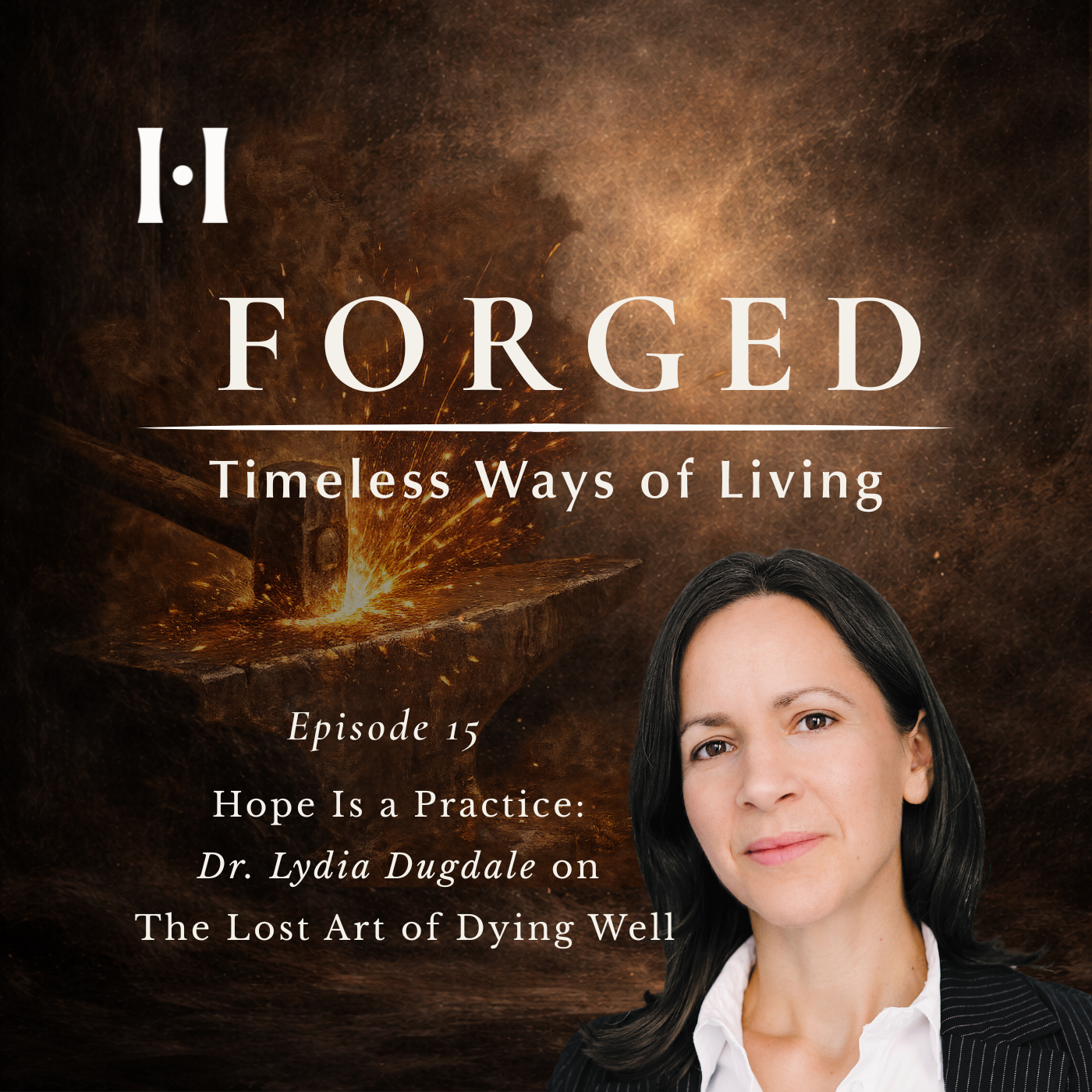
Forged: Timeless Ways of Living
Hope Is a Practice: Dr. Lydia Dugdale on The Lost Art of Dying Well

How can we prepare for death without becoming consumed by it? And what might the lost art of dying teach us about living with greater wisdom, agency, and hope? Dr. Lydia Dugdale joins Brian Williams to recover an older vision of mortality, one in which preparing for death meant tending to our relationships, forming our character, asking ultimate questions, and learning when medical technology helps or harms. Their conversation offers a practical invitation: rather than leaving our final decisions to fear, haste, or unfamiliar institutions, we can begin now to live the kind of life that makes dying well possible. Lydia and Brian discuss hope as a virtue that can be practiced rather than a feeling we must wait to receive. Lydia identifies five practices that help us resist despair: lament, endurance, imagination, confidence formed through gratitude, and the sustaining love of community.
Contributors
Guest
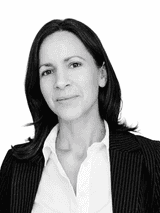
Lydia Dugdale
Lydia Dugdale, MD, MAR (ethics), is the Dorothy L. and Daniel H. Silberberg Professor of Medicine at the Columbia University Medical Center and Director of the Center for Clinical Medical Ethics. She also serves as Co-Director of Clinical Ethics at NewYork-Presbyterian Hospital/Columbia University Irving Medical Center. A practicing internist, Dr Dugdale moved to Columbia in 2019 from Yale University, where she previously served as Associate Director of the Program for Biomedical Ethics and founding Co-Director of the Yale Program for Medicine, Spirituality, and Religion. Her scholarship focuses on end-of-life issues, the role of aesthetics in ethics, moral injury, and the doctor-patient relationship. She edited Dying in the Twenty-First Century (MIT Press, 2015) and is author of The Lost Art of Dying (HarperOne, 2020), a popular press book on the preparation for death. Dr Dugdale attended medical school at the University of Chicago, completed residency training at Yale-New Haven Hospital, and holds a MAR in ethics from Yale Divinity School.
Featured Links
Host
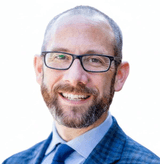
Dr. Brian Williams
Podcast Host and Contributing Writer
Brian A. Williams (DPhil, Oxon) is Dean of the Templeton Honors College, Professor of Ethics and Liberal Studies, and Co-Director of the MA in Classical Teaching at Eastern University in Philadelphia. He is the founding editor of Principia: A Journal of Classical Education, speaks internationally on classical education, and serves on several academic and educational boards, including the Classic Learning Test (CLT). Previously, he taught at Cair Paravel Latin School and the University of Oxford. Dr. Williams earned degrees in theology and Christian ethics from Regent College and the University of Oxford, and his research focuses on education and formation in the Christian Intellectual Tradition. Brian is a runner, art collector, and traveler, having visited over 40 countries, often in search of sites and cities of the ancient world. He is married to Kim, a visual artist and teacher, and has three children: Ilia, Brecon, and Maeve.
Related Resources

Toward a Renaissance of American Jewish Education
n his commentary on the Talmud — a body of Jewish learning that represents one of the greatest models of cultural preservation in the history of mankind — the medieval philosopher Moses Maimonides pointed to the rabbinic idea that "the world is sustained only by the breath of schoolchildren." His insight is a deep one: that the fate of every civilization depends, over the long term, on the work of perpetuation and transmission.
Something Bigger Than Myself
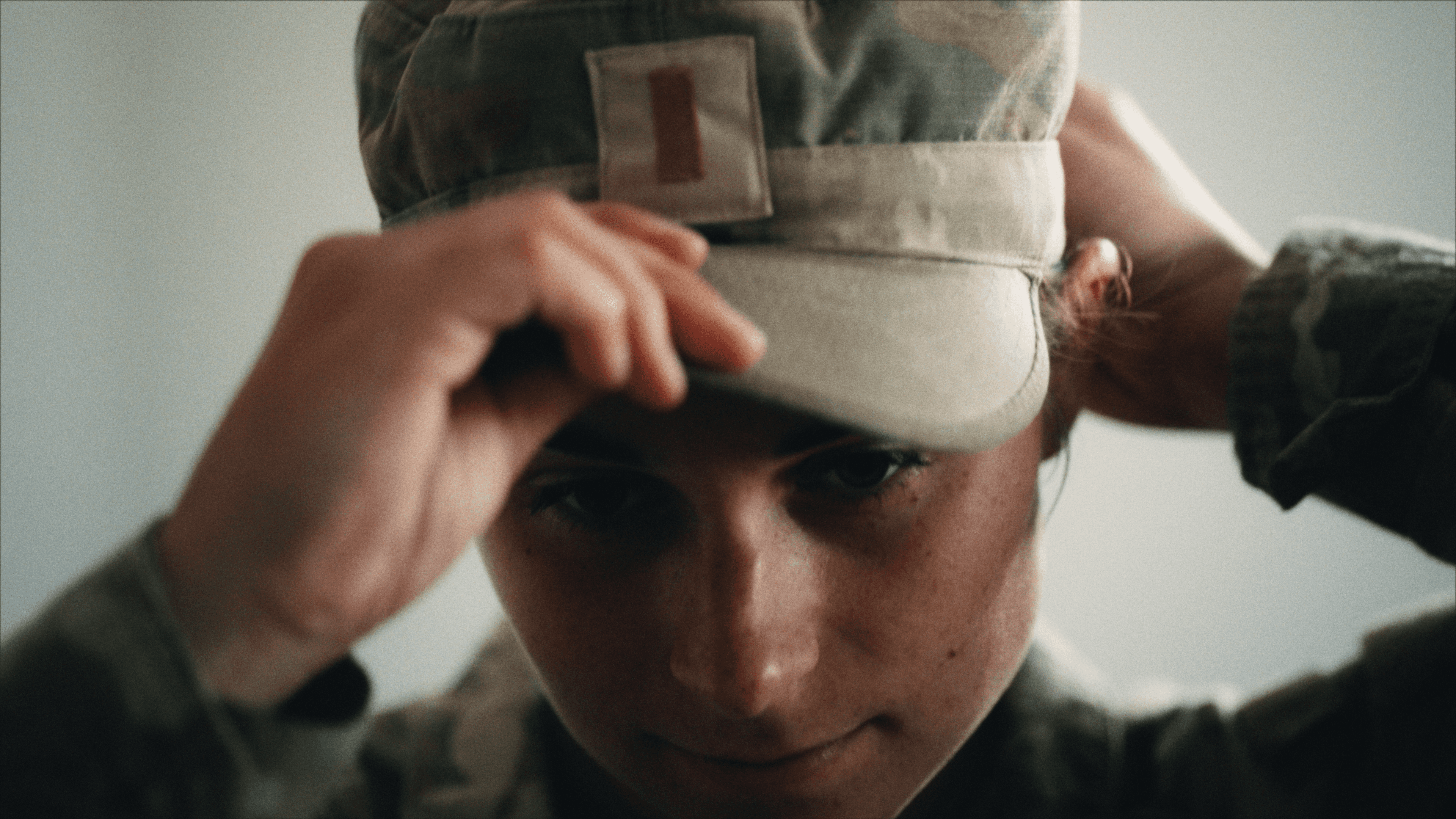
In Sarah’s words, her teachers taught her “how to know what’s right and how to do what’s right.” That is what we mean when we say a classical education prepares young people for real life.
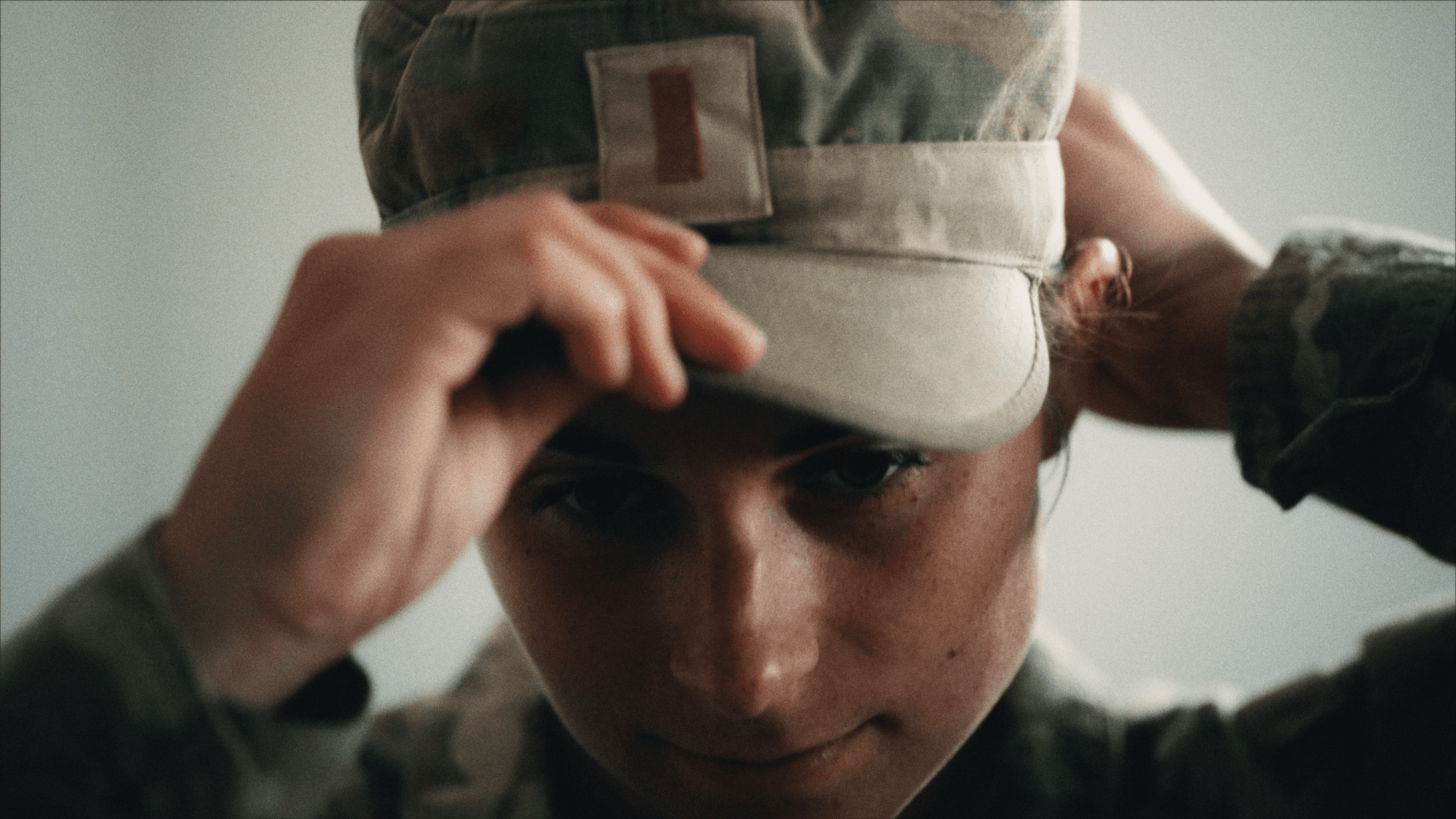
Grit, Loyalty, and Poetry: How Classical Education Shaped a Future Army Leader
One day at a classical school changed the course of her life.
In seventh grade, Sarah spent a single day shadowing at Jackson Hole Classical Academy. She says she learned more that day than in the seven years of school before it.
What followed was an education in great books, Latin, and poetry learned by heart, including Rudyard Kipling's "If-" Years later, when Sarah arrived at West Point to train as an Army officer, she found that same poem on the walls of the barracks.
Today, Sarah is a West Point graduate preparing to lead a platoon of soldiers. Her story shows what classical education is for: forming young people who know what's right, do what's right, and give of themselves in service to others.