Trump’s national school voucher program could mean a boom in Christian education
New Hampshire, where most voucher money has gone to Christian schools, may be a harbinger for ‘universal school choice.’

January 22, 2026
New Hampshire, where most voucher money has gone to Christian schools, may be a harbinger for ‘universal school choice.’
January 22, 2026

Trump’s national school voucher program could mean a boom in Christian education
Religion News Service • Anya Kamenetz
A new federal school-choice program could widen access to Christian education, giving more families the freedom to seek schools aligned with their convictions about truth, virtue, and the formation of children. Yet the promise of growth also raises important questions about dependence, accountability, and whether educational renewal can remain faithful to its deepest purposes as public funding expands.

Religion News Service
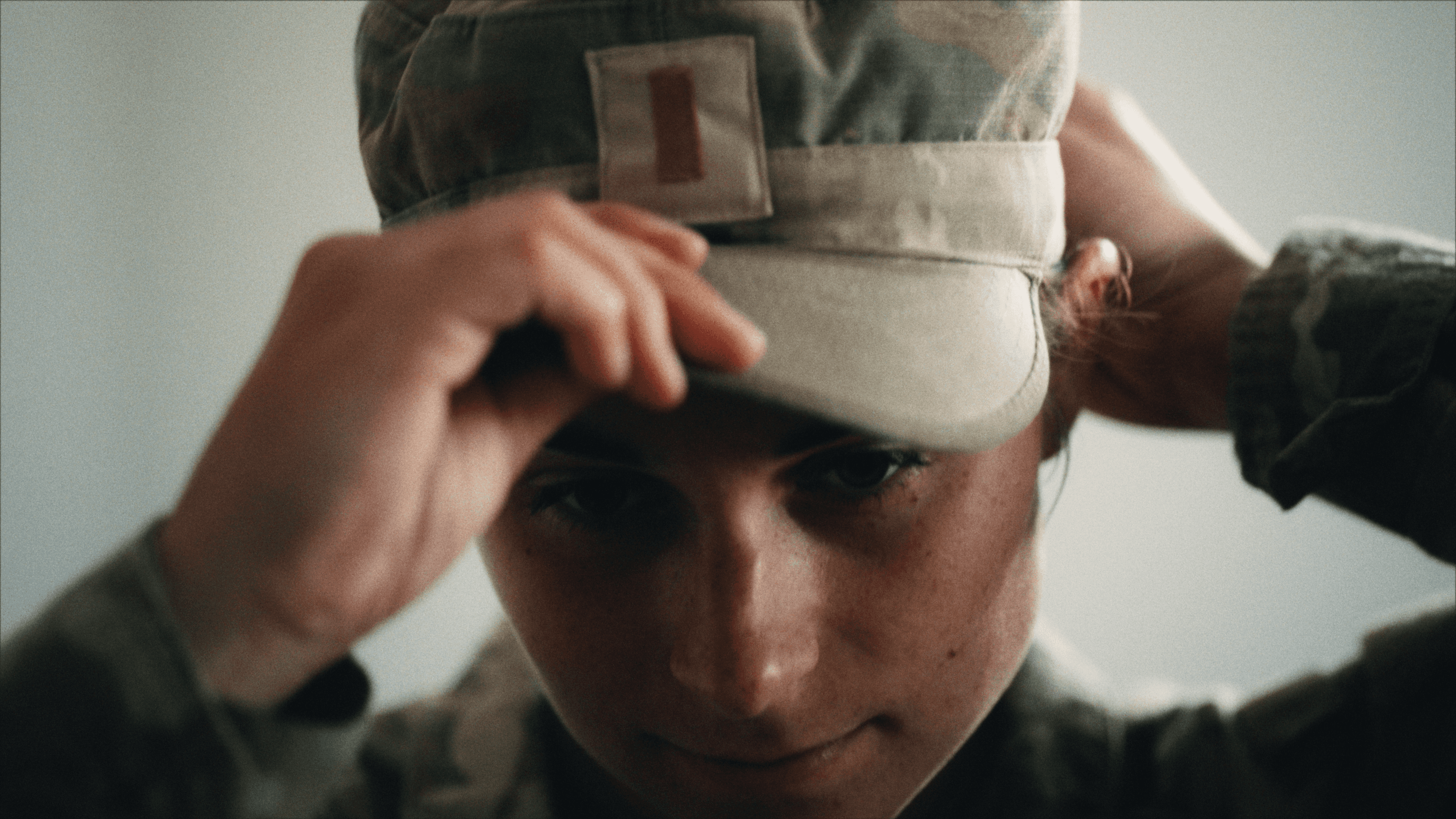
One day at a classical school changed the course of her life.
In seventh grade, Sarah spent a single day shadowing at Jackson Hole Classical Academy. She says she learned more that day than in the seven years of school before it.
What followed was an education in great books, Latin, and poetry learned by heart, including Rudyard Kipling's "If-" Years later, when Sarah arrived at West Point to train as an Army officer, she found that same poem on the walls of the barracks.
Today, Sarah is a West Point graduate preparing to lead a platoon of soldiers. Her story shows what classical education is for: forming young people who know what's right, do what's right, and give of themselves in service to others.

What does it take to remain fully human in an age of distraction? In this conversation, Christine Perrin speaks with Dr. Jeanne Schindler about attention, technology, homeschooling, civic life, and the quiet disciplines that help us fight for what is real. Together they consider how modern devices flatten experience, weaken our sense of place, and make presence harder to practice, while also pointing toward a better way, one rooted in community life, embodied friendship, serious thought, and shared public spaces. This is a conversation about recovering the habits that make a human life deep, relational, and truly lived. Drawing from her own intellectual formation, Dr. Schindler reflects on childhood influences, her shift from history to political theory, her decision to leave tenure and devote herself more fully to home and family, and the rewards of lifelong learning through homeschooling. She and Christine also explore AI, the limits of technology, the strain placed on civic discourse, and why restlessness should not always be medicated by screens, but instead received as a summons to seek truth, communion, and a richer form of life.

What makes a place, a school, or a daily life feel truly human? In this conversation, Christine Perrin and Timothy Patitsas explore beauty first living, the “quality without a name” described by Christopher Alexander, and the patterns that help people feel at home, at ease, and fully alive. Together they consider paper routes, classrooms, liturgical seasons, friendship, motherhood, teaching, and the built world, asking how living patterns form the soul and why beauty is not an ornament to life but one of its deepest truths. This episode is an invitation to notice the forms of life that nourish wonder, awaken desire for the good, and help us belong more deeply to the world. Their conversation moves from childhood memory to architecture, pedagogy, eros, ritual, and community. Along the way, Timothy reflects on the difference between potent information and quality information, the role of stories in shaping desire, and the kinds of educational practices that help students encounter truth not only analytically, but with their whole persons.