Composed: Timeless Ways of Living
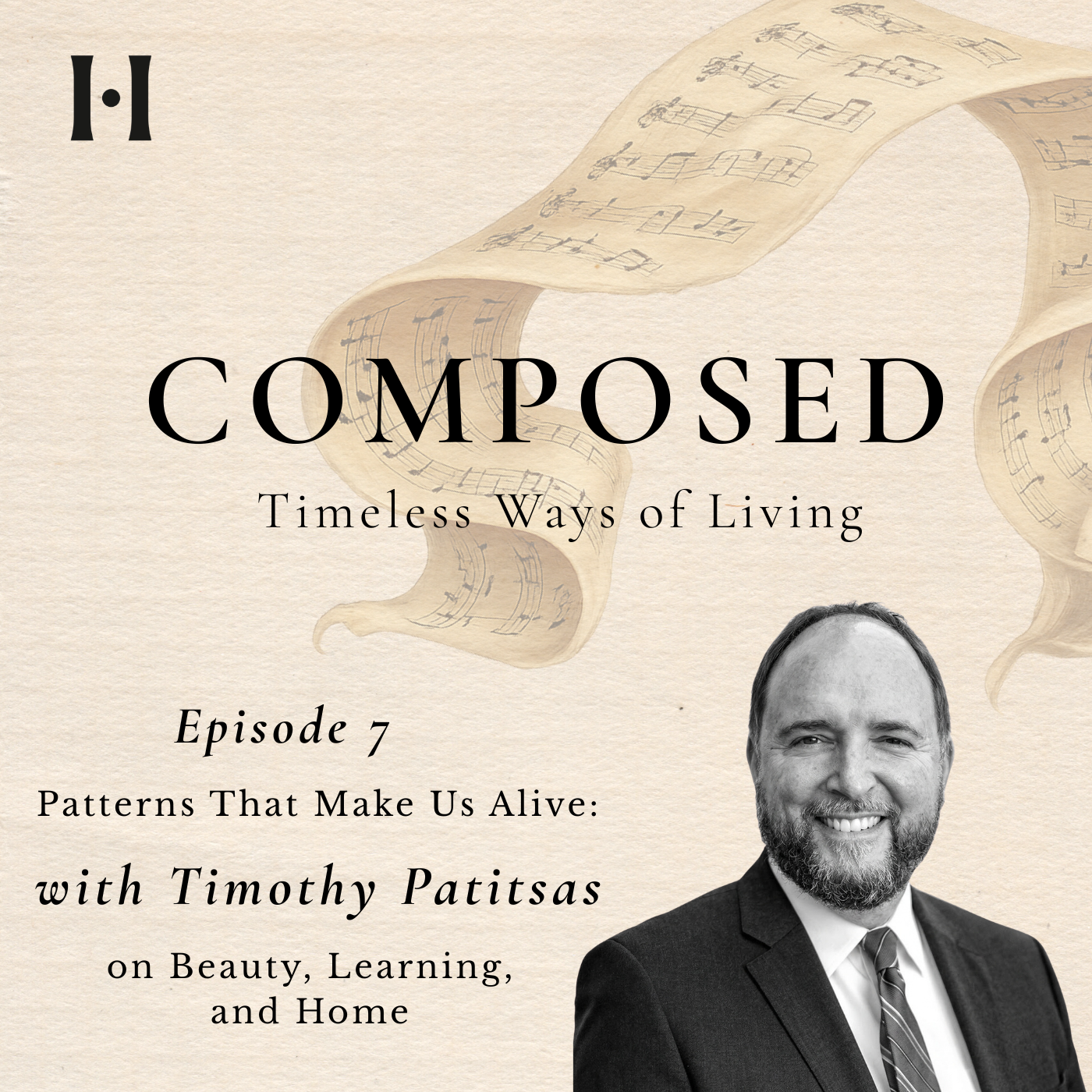
Patterns That Make Us Alive: Timothy Patitsas on Beauty, Learning, and Home
00:0000:00
What makes a place, a school, or a daily life feel truly human? In this conversation, Christine Perrin and Timothy Patitsas explore beauty first living, the “quality without a name” described by Christopher Alexander, and the patterns that help people feel at home, at ease, and fully alive. Together they consider paper routes, classrooms, liturgical seasons, friendship, motherhood, teaching, and the built world, asking how living patterns form the soul and why beauty is not an ornament to life but one of its deepest truths. This episode is an invitation to notice the forms of life that nourish wonder, awaken desire for the good, and help us belong more deeply to the world. Their conversation moves from childhood memory to architecture, pedagogy, eros, ritual, and community. Along the way, Timothy reflects on the difference between potent information and quality information, the role of stories in shaping desire, and the kinds of educational practices that help students encounter truth not only analytically, but with their whole persons.

Guest
Timothy Patitsas
Timothy Patitsas is Assistant Professor of Ethics at the Holy Cross Greek Orthodox Seminary in Boston, Massachusetts. Between 2007 and 2019 he directed the annual seminary pilgrimage to Constantinople, Mount Athos, Greece, and the Holy Land. In 2019 he published The Ethics of Beauty, which has sold more than eight thousand copies. In 2023 he co-directed and co-produced “Amphilochios: Saint of Patmos,” a documentary short which became an official selection at the Los Angeles Greek Film Festival.
Host
Christine Perrin
Podcast Host and Contributing Writer
Christine Perrin is a literature professor, writer, poet, and podcast host. After teaching literature full-time at Messiah University for almost 20 years, Christine arranges her time to write, teach in Italy, and host the Composed Podcast. Christine is a graduate of Johns Hopkins University (BA in Writing Seminars) and the University of Maryland (MFA in Poetry).
Related Resources
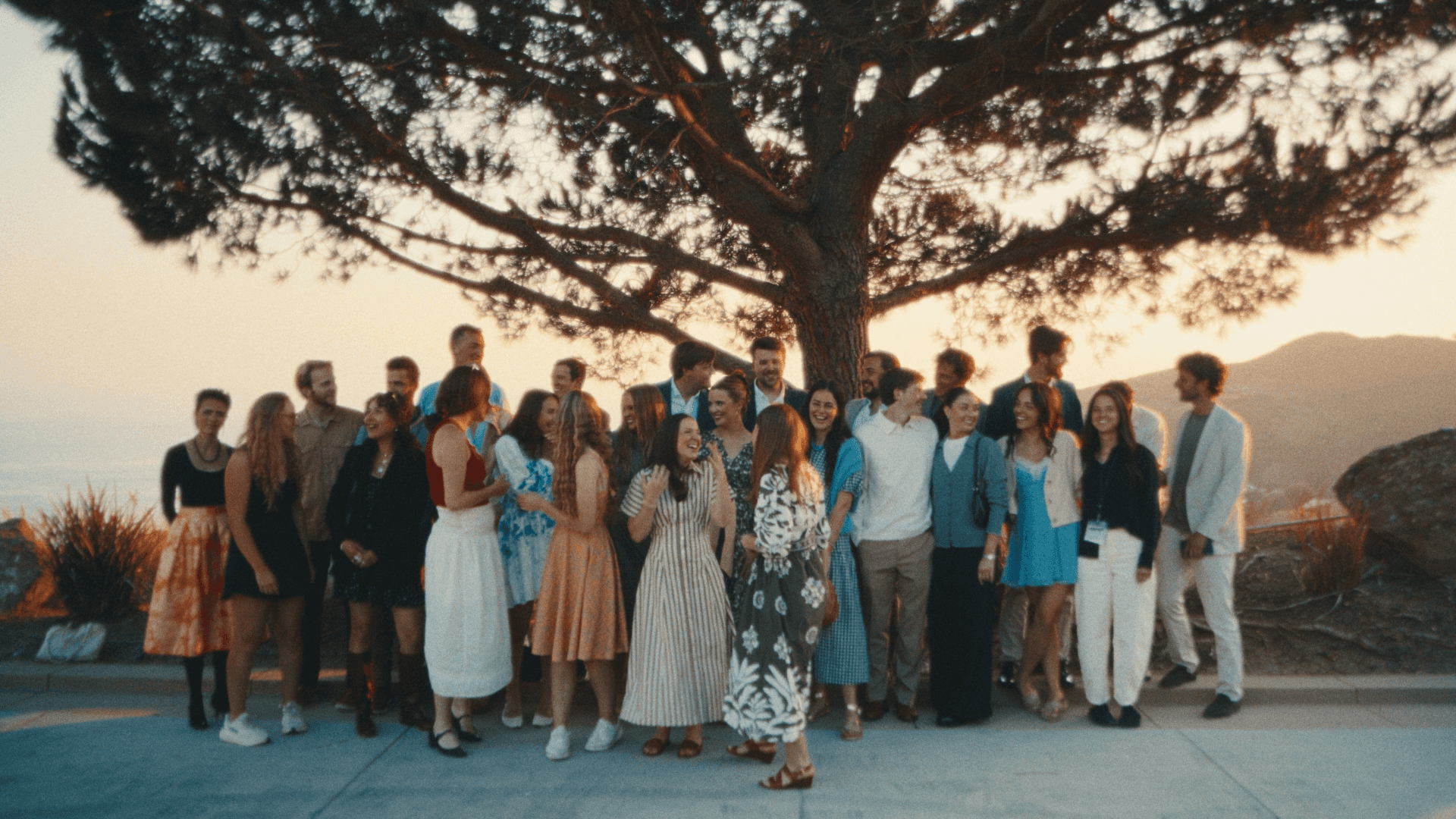
More Than a Résumé: Classical School Graduates on Who They’ve Become
Classical school graduates reflect on who they’ve become and how their education formed them in mind, character, and a lifelong love of learning.

Not All ‘Classical’ Schools Are Created Equal
The most consequential differences are often the least obvious.

Something Bigger Than Myself
In Sarah’s words, her teachers taught her “how to know what’s right and how to do what’s right.” That is what we mean when we say a classical education prepares young people for real life.