News

The Left Case for Great Books

A left-wing university professor argues that “great books” education is not a conservative project but a deeply humane one. Drawing on Paulo Freire and classroom experience, the essay makes a case for classical education as a path to freedom, community, and the good life.

Daniel Walden photo By Daniel Walden

February 01, 2026

hero image

The Left Case for Great Books

Examined Life • Daniel Walden

Daniel Walden photo

Daniel Walden

Examined Life

Related Resources

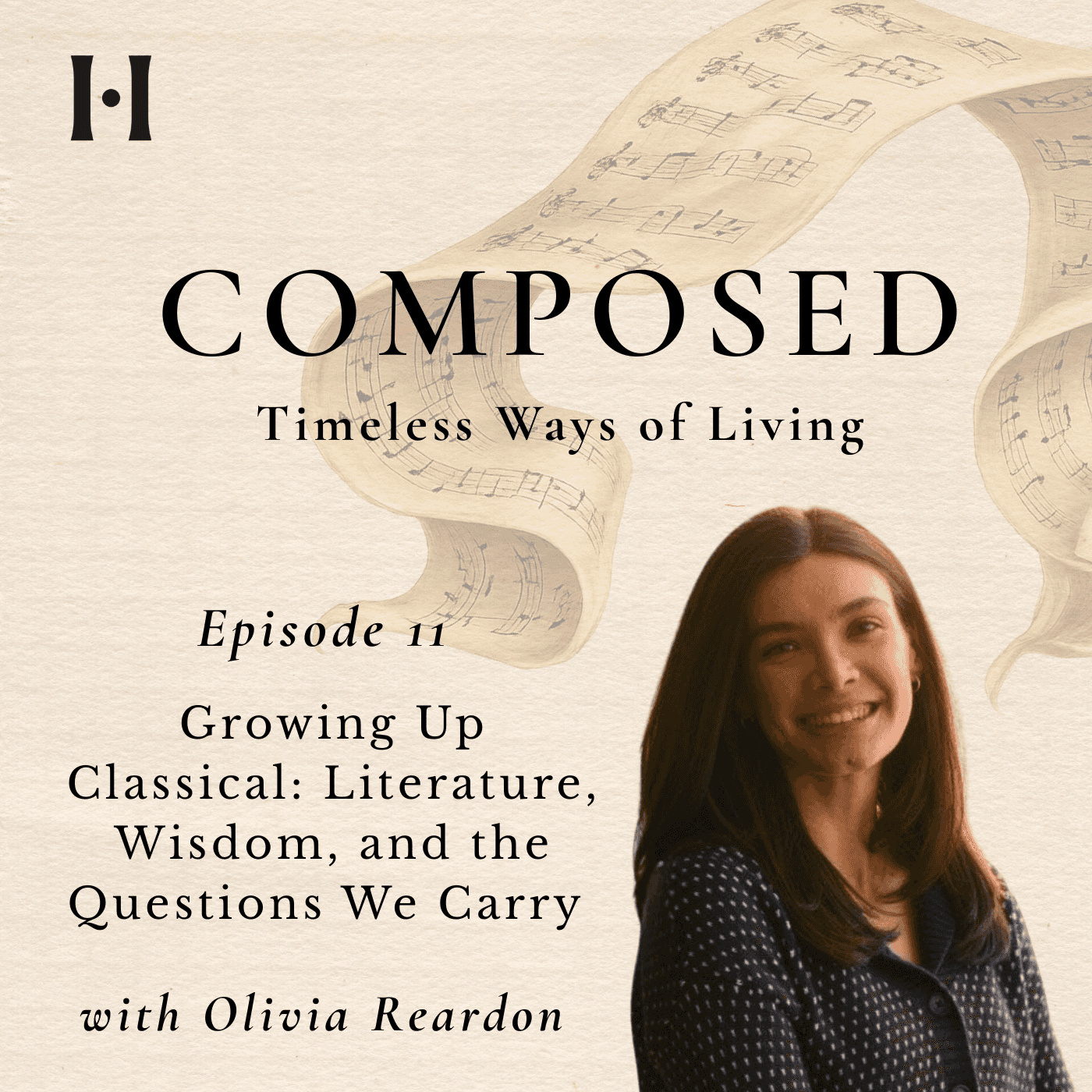
Podcast Growing Up Classical: Literature, Wisdom, and the Questions We Carry

June 08, 2026

Composed: Timeless Ways of Living


Growing Up Classical: Literature, Wisdom, and the Questions We Carry

What does it mean to grow up classical, and how can the great books help form a young person’s moral imagination? In this episode of Composed, Christine Perrin speaks with Olivia Reardon, a graduating senior at Messiah University, about literature, ethical formation, and the classical Christian classroom. Drawing from Olivia’s senior honors thesis and her upcoming ClassicalU course, Journeying with the Great Books: Ethical Formation in the Classical Christian Classroom, the conversation explores how stories give students language for their deepest questions, offer “handholds” for living in a broken world, and invite readers to return again and again as they grow in wisdom. Together, Christine and Olivia reflect on reading as a relational and formative act, one that happens best in a community of trust, conversation, and shared attention. Olivia offers the images of mirrors, windows, and doors as a way of understanding how books help students see themselves, encounter others, and enter experiences beyond their own. The conversation also considers the breadth of the Great Conversation, not as a narrow inheritance for a few, but as a living tradition shaped by many voices and offered for the formation of all.

Podcast The Harmony of the Parts: on Beauty, Place, and Belonging

May 29, 2026

Forged and Composed: Timeless Ways of Living


The Harmony of the Parts: on Beauty, Place, and Belonging

What does beauty have to do with the spaces where we learn, teach, worship, and gather? In this shared bonus episode of Composed and Forged, Christine Perrin speaks with Brian Williams about Templeton Hall, the home of the Templeton Honors College, and the deep work of making a place that feels whole, hospitable, and human. Their conversation moves from architecture and furniture to poetry, asking how beauty forms us before we can fully explain what it has done. This is an episode about attention, creation, community, and the grace of places that help us to belong and to overcome the rootlessness of our times. Brian reflects on the making of Templeton Hall at Eastern University as an act of stewardship, one that honors the old while creating room for students and faculty to dwell together in the pursuit of the true, the good, the beautiful. Christine and Brian consider why beauty is not a luxury, why material places matter to Christian formation, and how the experience of a beautiful space creates harmony. The episode closes fittingly with Hopkins’s “Pied Beauty,” a poem of praise for the dappled, particular, and creaturely world.

Podcast Living Inside Language with Annie Kantar Ben-Hillel

May 25, 2026

Composed: Timeless Ways of Living


Living Inside Language with Annie Kantar Ben-Hillel

What does it mean to compose a life through Sabbath rest, faithful work, and the patient practice of language? In this episode of Composed, Christine Perrin speaks with Annie Kantar Ben-Hillel, a poet, translator, teacher, and director of the English program at Shalem College in Jerusalem, about the patterns that have shaped her life as a mother, writer, citizen, and friend. Their conversation moves from a childhood formed by trust and moral responsibility, to the weekly reset of Shabbat, to the strange and beautiful labor of translating the Book of Job. Along the way, Annie reflects on Hebrew, Palestinian Arabic, friendship across fracture, and the need to remain questioning without becoming cynical. The conversation also touches on Natalia Ginzburg’s “The Little Virtues,” Stefan Zweig’s The World of Yesterday, the Ethics of the Fathers, and the enduring hope that virtues can persist even in periods of historical grief and uncertainty.