School Vouchers Get Green Light in Wyoming
The Wyoming Supreme Court overturned an injunction against a state law that allows public funds to be used for private schools.
July 09, 2026
The Wyoming Supreme Court overturned an injunction against a state law that allows public funds to be used for private schools.
July 09, 2026
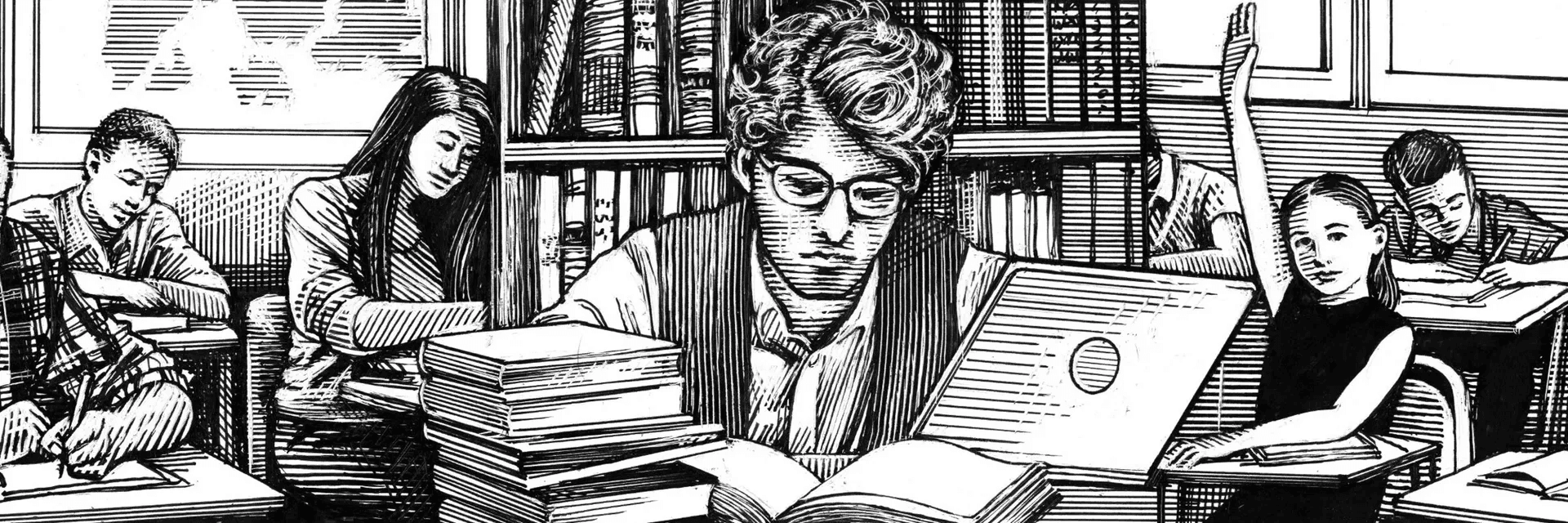
School Vouchers Get Green Light in Wyoming
State Court Report • Aaron Saiger
Wyoming’s highest court has opened the door for families to use public funds for private education, potentially widening access to classical schools and other communities devoted to richer forms of formation. The decision raises a consequential question for the classical education renewal: whether public responsibility for education must remain tied to one system, or can also support parents seeking schools ordered toward wisdom, virtue, and human flourishing.
State Court Report
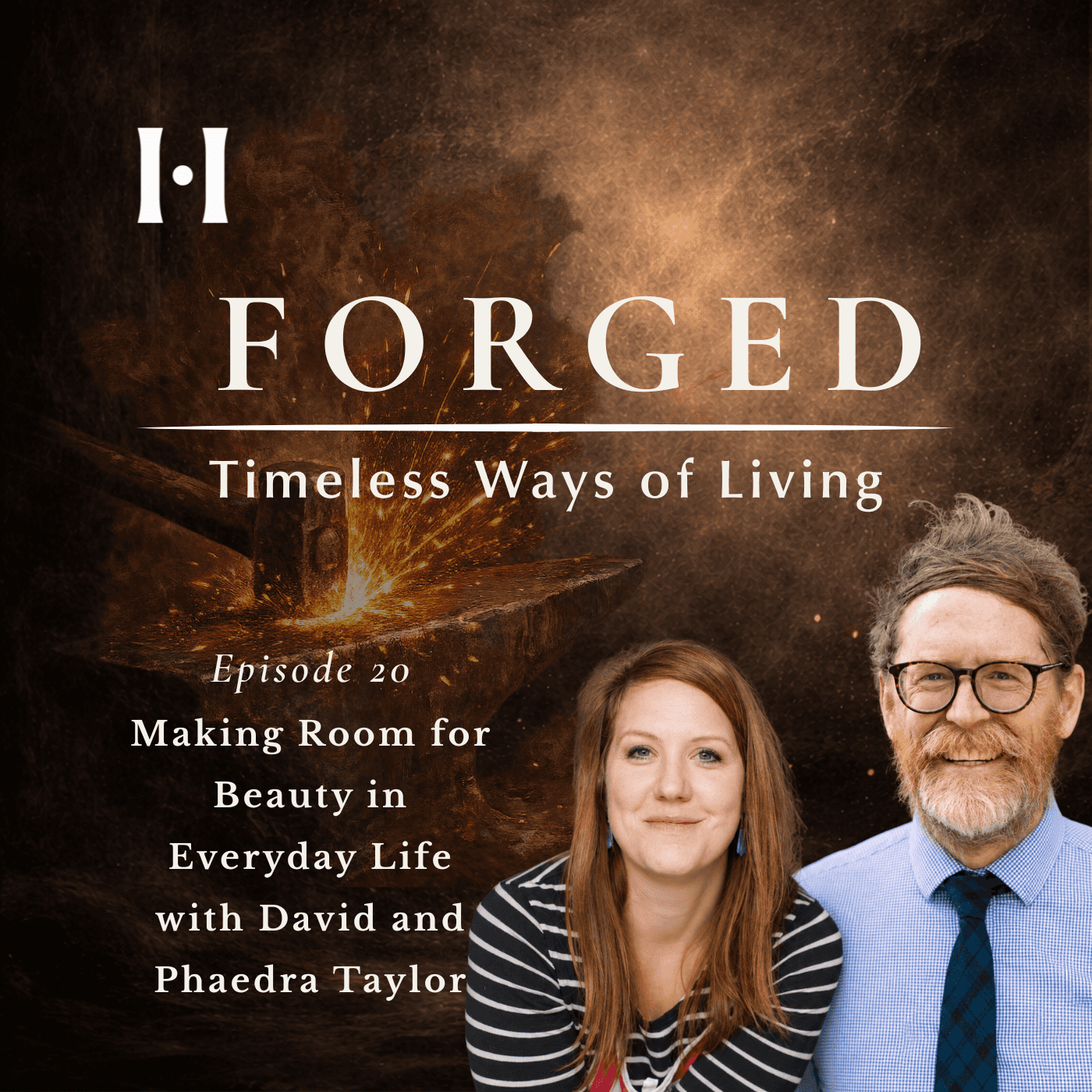
What would change if we treated every part of our lives as worthy of prayer? And how might we learn to notice the beauty of the world when so much of modern life competes for our attention? On this episode of Forged, Brian Williams welcomes David and Phaedra Taylor for a conversation about prayer, art, family, and the habits that shape a meaningful life. They discuss their collaborative book Prayers for the Pilgrimage, the importance of making room for beauty in our homes, and the small decisions that help families resist the pull of digital distraction. Drawing on their experiences as artists, parents, and stewards of twenty-one acres of Texas prairie, the Taylors offer a thoughtful vision for living with greater attention, patience, and purpose. Along the way, David reflects on why artists are essential to human flourishing, while Phaedra shares what painting, motherhood, and restoring the land have taught her about creativity, limitation, and learning to let go of control.
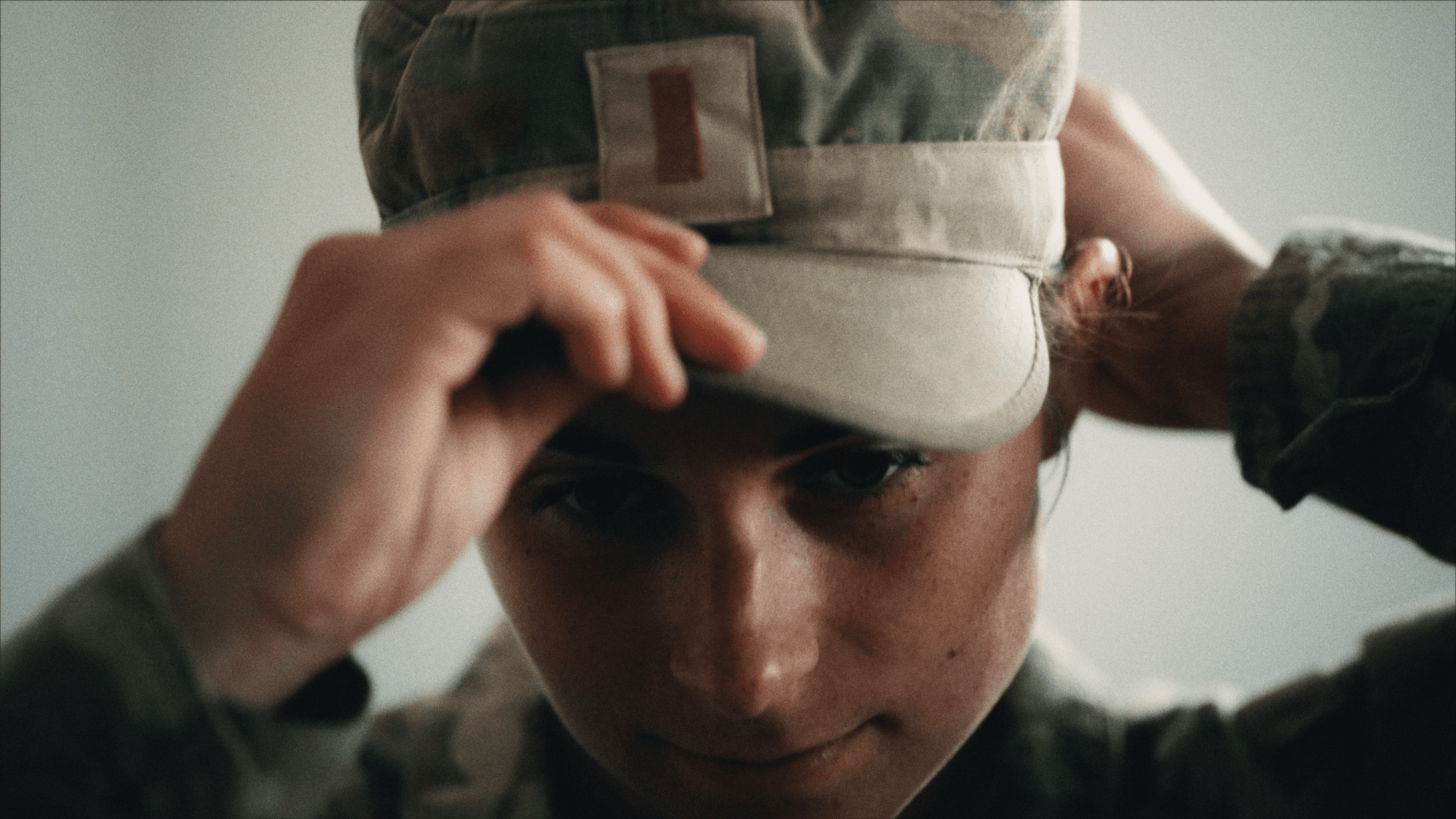
One day at a classical school changed the course of her life.
In seventh grade, Sarah spent a single day shadowing at Jackson Hole Classical Academy. She says she learned more that day than in the seven years of school before it.
What followed was an education in great books, Latin, and poetry learned by heart, including Rudyard Kipling's "If-" Years later, when Sarah arrived at West Point to train as an Army officer, she found that same poem on the walls of the barracks.
Today, Sarah is a West Point graduate preparing to lead a platoon of soldiers. Her story shows what classical education is for: forming young people who know what's right, do what's right, and give of themselves in service to others.
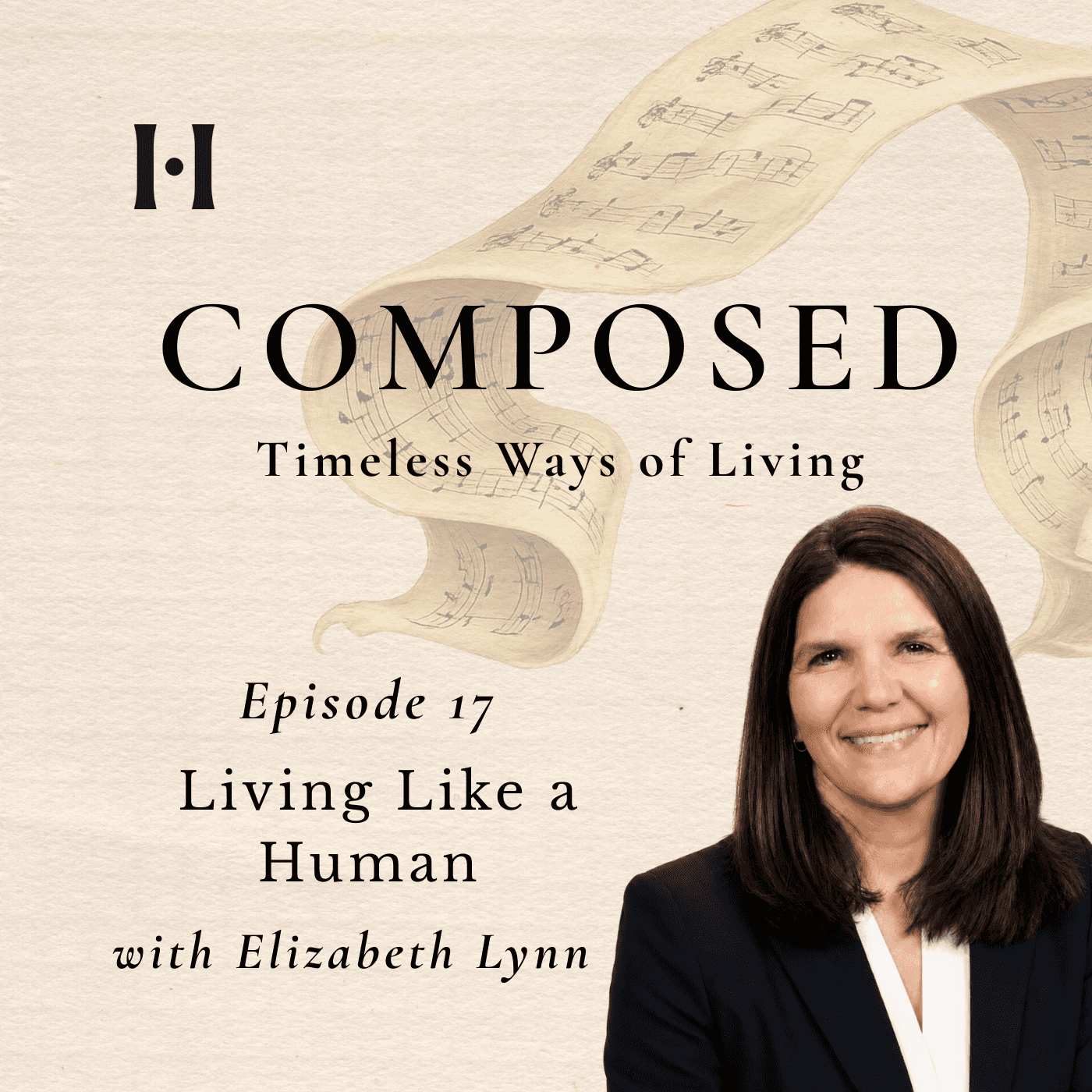
What helps a child learn, a family flourish, or a community grow strong? Elizabeth Lynn suggests that the answer often begins with things that can seem almost invisible: order, repeated rhythms, presence, attention, and the willingness to delight in one another. In conversation with Christine Perrin, Elizabeth reflects on the “liturgy” of a classroom, the surprising gift of being known by name, and why beauty and rest depend on patterns that make room for genuine learning. She also considers the challenge many families know well: how to cultivate an inner life when the tempo of the world refuses to slow down. For Elizabeth, Scripture has become a lifelong anchor, calling her again and again toward humility, stillness, gratitude, and a life attentive to God and neighbor. Their conversation offers parents and educators a hopeful picture of formation. The small practices of showing up, praying for people by name, making room for wonder, and refusing to let busyness dictate our deepest commitments can slowly shape the atmosphere of a home, classroom, and community. It is a vision closely aligned with the Humanitas Institute’s commitment to education as formation through relationship, beauty, truth, goodness, and wonder.