Learning Ancient Languages in the Age of AI
How a Latin grammar lesson can be the key to undying wisdom
August 20, 2026
How a Latin grammar lesson can be the key to undying wisdom
August 20, 2026
Learning Ancient Languages in the Age of AI
National Review • Spencer A. Klavan
If AI can translate Latin in seconds, why spend years learning it? This piece makes the case that the discipline of ancient languages offers something no shortcut can supply: a training of mind and attention that can open the way to wisdom itself.
National Review

In Sarah’s words, her teachers taught her “how to know what’s right and how to do what’s right.” That is what we mean when we say a classical education prepares young people for real life.
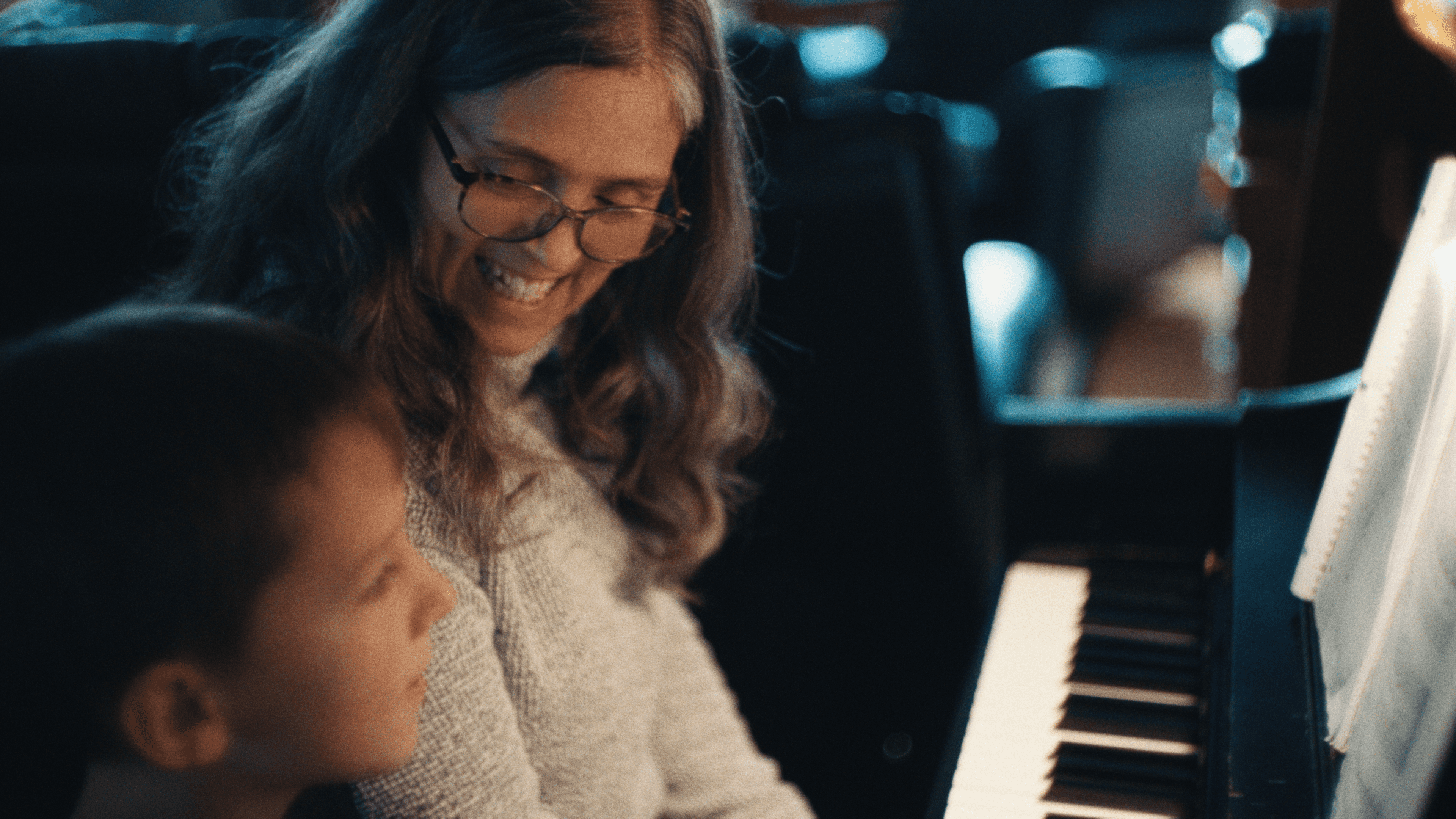
After nearly 20 years of homeschooling, this mother is honest about both the work and the gift of educating her children at home.

What do books do to a man? In this conversation, Shilo Brooks and Brian Williams discuss reading, ambition, teaching, and the making of a life. Brooks reflects on growing up in West Texas, discovering the great books almost by accident, and learning to read not merely for school or profession, but for wisdom, courage, and the ordering of desire. Together they consider why men stop reading, what is lost when they do, and why the best books are not simply objects of study or instruments of advancement, but companions in the long work of formation. They do more than convey information. They enlarge the soul, sharpen judgment, deepen wonder, and usher us into a richer and more serious way of being in the world. Along the way, Brooks discusses the teachers who first put serious books in his hands and the books that shaped him, from Fitzgerald’s This Side of Paradise to Xenophon’s Education of Cyrus. The conversation ranges from landscape and longing to teaching and apprenticeship, and from the allure of ambition to the discipline of moderating it through wisdom. This is a conversation about books as guides for life, about the formation of men, and about the kind of education that moves from the classroom to the soul.