A Day in the Life of a Classical Homeschooling Family
After nearly 20 years of homeschooling, this mother is honest about both the work and the gift of educating her children at home.
Making Room for Beauty in Everyday Life with David and Phaedra Taylor
What would change if we treated every part of our lives as worthy of prayer? And how might we learn to notice the beauty of the world when so much of modern life competes for our attention? On this episode of Forged, Brian Williams welcomes David and Phaedra Taylor for a conversation about prayer, art, family, and the habits that shape a meaningful life. They discuss their collaborative book Prayers for the Pilgrimage, the importance of making room for beauty in our homes, and the small decisions that help families resist the pull of digital distraction. Drawing on their experiences as artists, parents, and stewards of twenty-one acres of Texas prairie, the Taylors offer a thoughtful vision for living with greater attention, patience, and purpose. Along the way, David reflects on why artists are essential to human flourishing, while Phaedra shares what painting, motherhood, and restoring the land have taught her about creativity, limitation, and learning to let go of control.
Relational Education: Love, Friendship, Attention and Return with Grant Holbrook
What if some of the most formative patterns in a life begin with simple obligations, reading the same book again, walking the dog each morning, showing up for students, or staying rooted in one place? Christine Perrin talks with teacher Grant Holbrook about the relationships and repeated practices that quietly shape a person over time. Their conversation moves through Augustine, the Psalms, friendship, beauty, teaching, and the connection between knowledge and love. Along the way, Grant considers why education is deeply relational, why older students need responsibilities to younger ones, and how good books can become lifelong companions. For parents and teachers wondering what habits truly help form a human being, this conversation offers a hopeful picture of a life shaped through attention, fidelity, and love. Grant also shares practical patterns from his own life, including memorizing the Psalms while walking his dog, rereading great books under the helpful pressure of obligation, and taking time with former students who return, to walk, talk, and continue learning.
I home schooled my children till 16 — all four got into Oxbridge
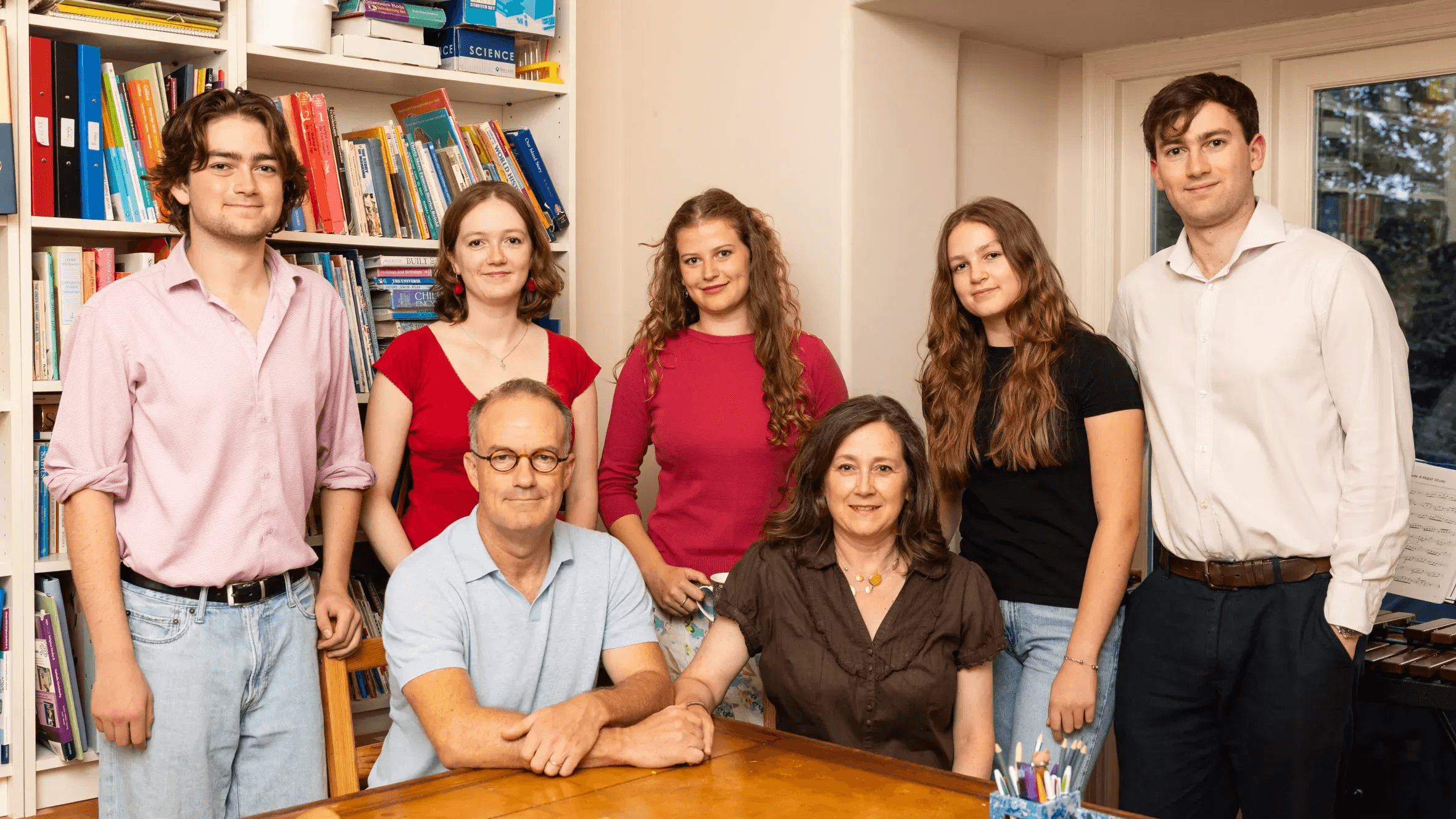
This week my son Xavier will start his first term at Oxford University studying maths, my fourth child to get into Oxbridge. His older sisters, Olivia and Felicity, are Oxford graduates in classics and music respectively and his older brother, Max, has a degree in engineering from Cambridge. Two of them had choral scholarships; two had academic scholarships.