Inside America’s Educational Renaissance
‘We’re astounded by this growth. ... The word got out without us doing any publicity,’ said a founder of an international classical school network.
May 25, 2026
‘We’re astounded by this growth. ... The word got out without us doing any publicity,’ said a founder of an international classical school network.
May 25, 2026
Inside America’s Educational Renaissance
Epoch Times • Aaron Gifford
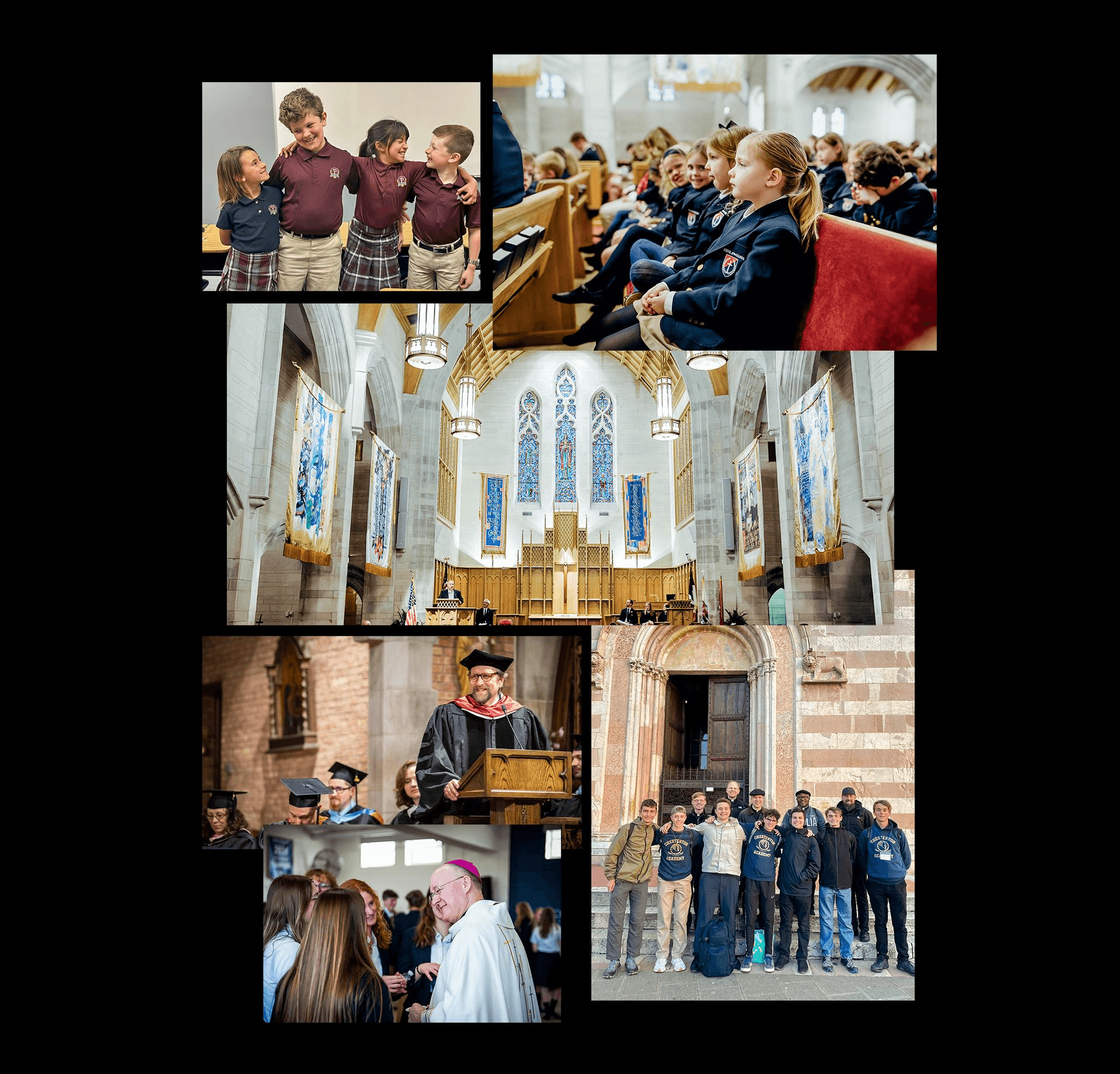
Classical education is growing rapidly across the United States, with enrollment now over 677,500 students in more than 1,500 schools and momentum that could push the movement past 1 million students within the next decade.
Many families are turning to these schools because they want classrooms marked by order, depth, moral clarity, and serious learning. The model emphasizes phonics, Latin, cursive, great books, history, mathematics, logic, rhetoric, and the pursuit of wisdom rather than mere test preparation.
School-choice programs, including tax credits and vouchers, could make private classical schools available to more families, though critics worry that public money is being redirected away from public education. The biggest challenge ahead may be finding enough teachers who are trained not only in classroom technique, but in the deeper intellectual and moral vision classical education requires.
Epoch Times
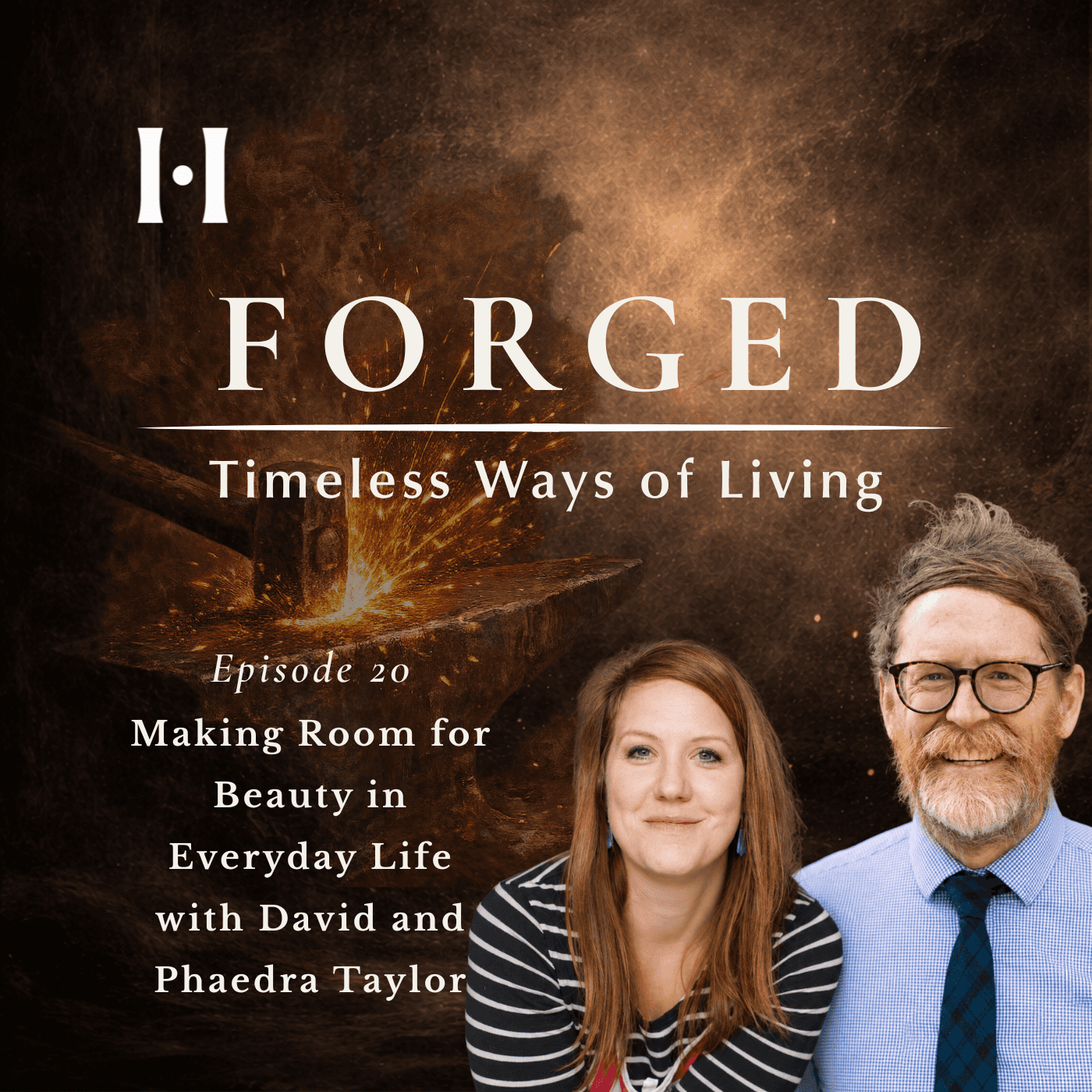
What would change if we treated every part of our lives as worthy of prayer? And how might we learn to notice the beauty of the world when so much of modern life competes for our attention? On this episode of Forged, Brian Williams welcomes David and Phaedra Taylor for a conversation about prayer, art, family, and the habits that shape a meaningful life. They discuss their collaborative book Prayers for the Pilgrimage, the importance of making room for beauty in our homes, and the small decisions that help families resist the pull of digital distraction. Drawing on their experiences as artists, parents, and stewards of twenty-one acres of Texas prairie, the Taylors offer a thoughtful vision for living with greater attention, patience, and purpose. Along the way, David reflects on why artists are essential to human flourishing, while Phaedra shares what painting, motherhood, and restoring the land have taught her about creativity, limitation, and learning to let go of control.
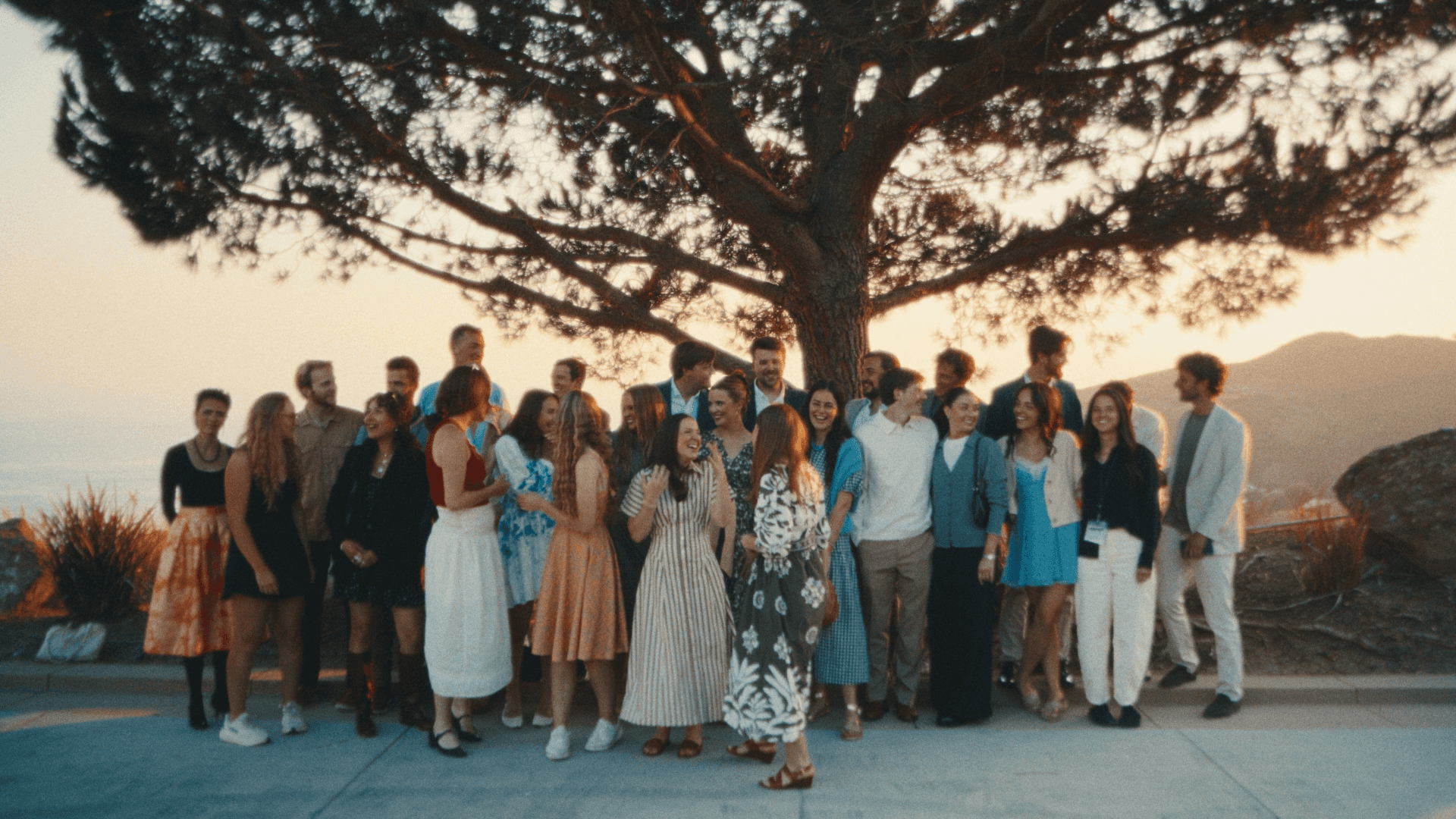
Classical school graduates reflect on who they’ve become and how their education formed them in mind, character, and a lifelong love of learning.
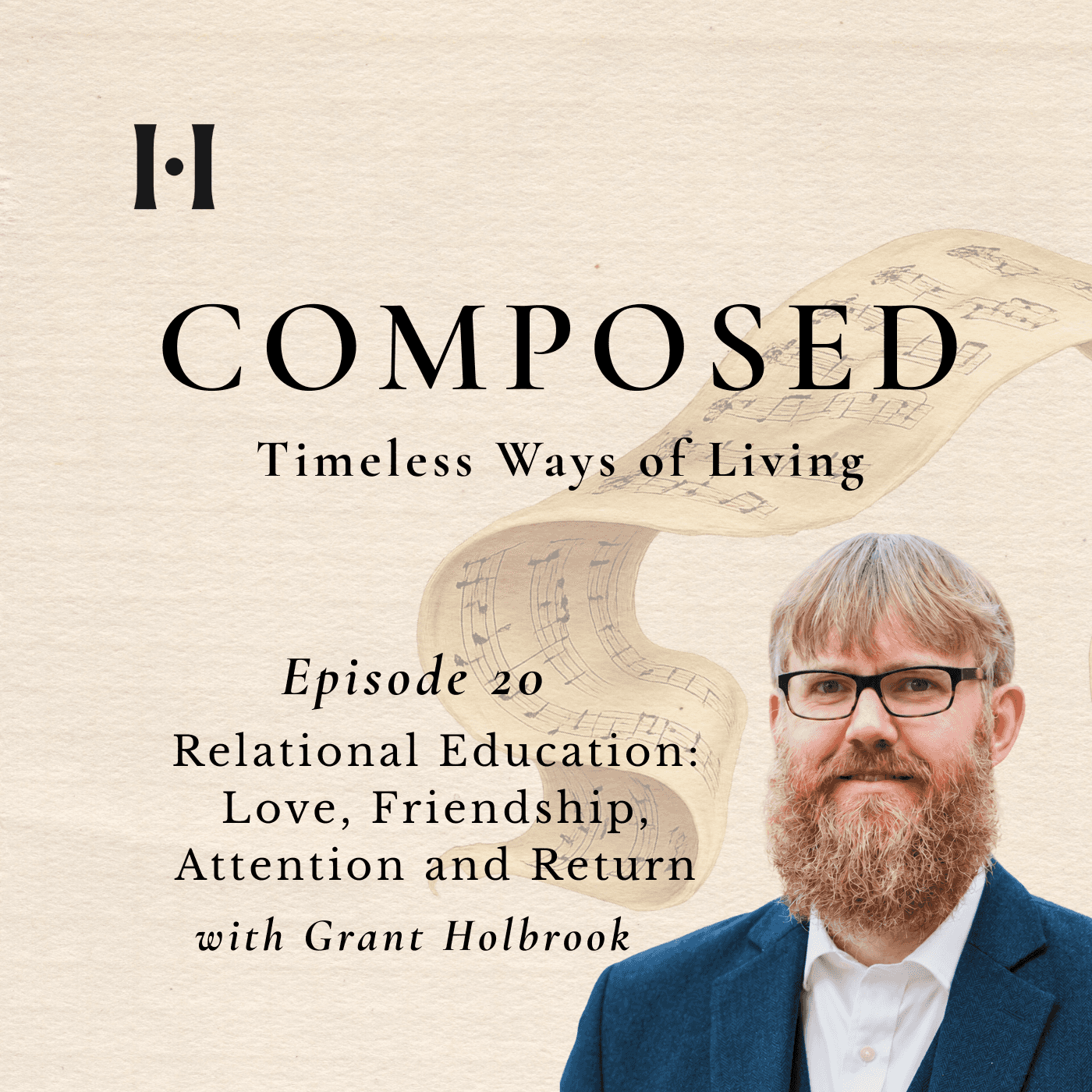
What if some of the most formative patterns in a life begin with simple obligations, reading the same book again, walking the dog each morning, showing up for students, or staying rooted in one place? Christine Perrin talks with teacher Grant Holbrook about the relationships and repeated practices that quietly shape a person over time. Their conversation moves through Augustine, the Psalms, friendship, beauty, teaching, and the connection between knowledge and love. Along the way, Grant considers why education is deeply relational, why older students need responsibilities to younger ones, and how good books can become lifelong companions. For parents and teachers wondering what habits truly help form a human being, this conversation offers a hopeful picture of a life shaped through attention, fidelity, and love. Grant also shares practical patterns from his own life, including memorizing the Psalms while walking his dog, rereading great books under the helpful pressure of obligation, and taking time with former students who return, to walk, talk, and continue learning.