News

How Homeschooling Became the Fastest Growing Education Model

This May, in honor of National Homeschool Awareness Month, we’re taking a closer look at how homeschooling became the fastest-growing form of education in the country, what the data tells us about outcomes, and how a new wave of education freedom policies is finally giving every family the chance to customize their child’s education.

Nathan Sanders photo By Nathan Sanders

May 27, 2026

hero image

How Homeschooling Became the Fastest Growing Education Model

edChoice • Nathan Sanders

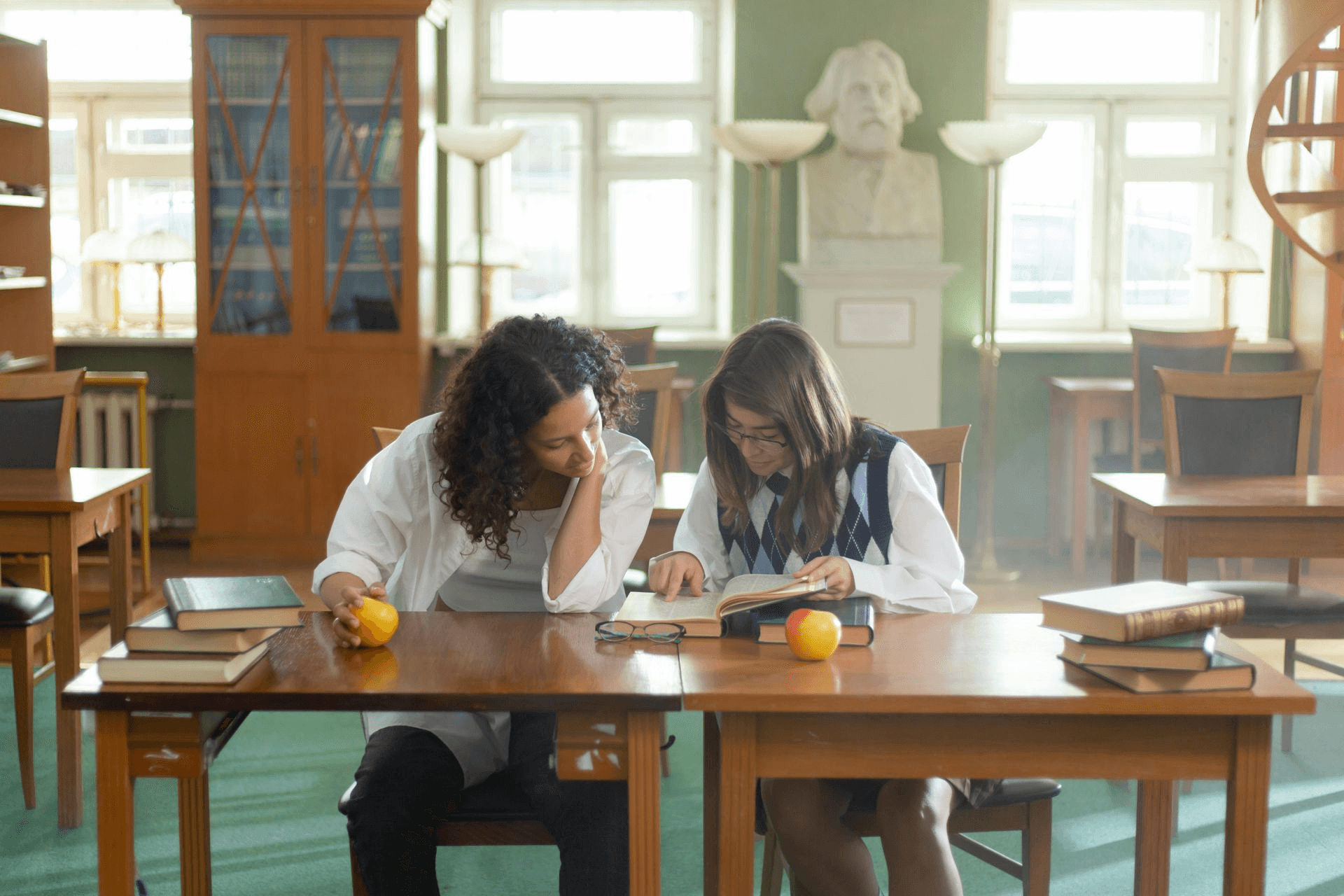
Homeschooling’s rapid growth is opening new space for families to seek an education shaped by conviction rather than convention. For many parents, that freedom makes it possible to pursue classical learning more fully—forming children in wisdom, virtue, and wonder at a pace and in a community suited to family life.

Nathan Sanders photo

Nathan Sanders

edChoice

Related Resources

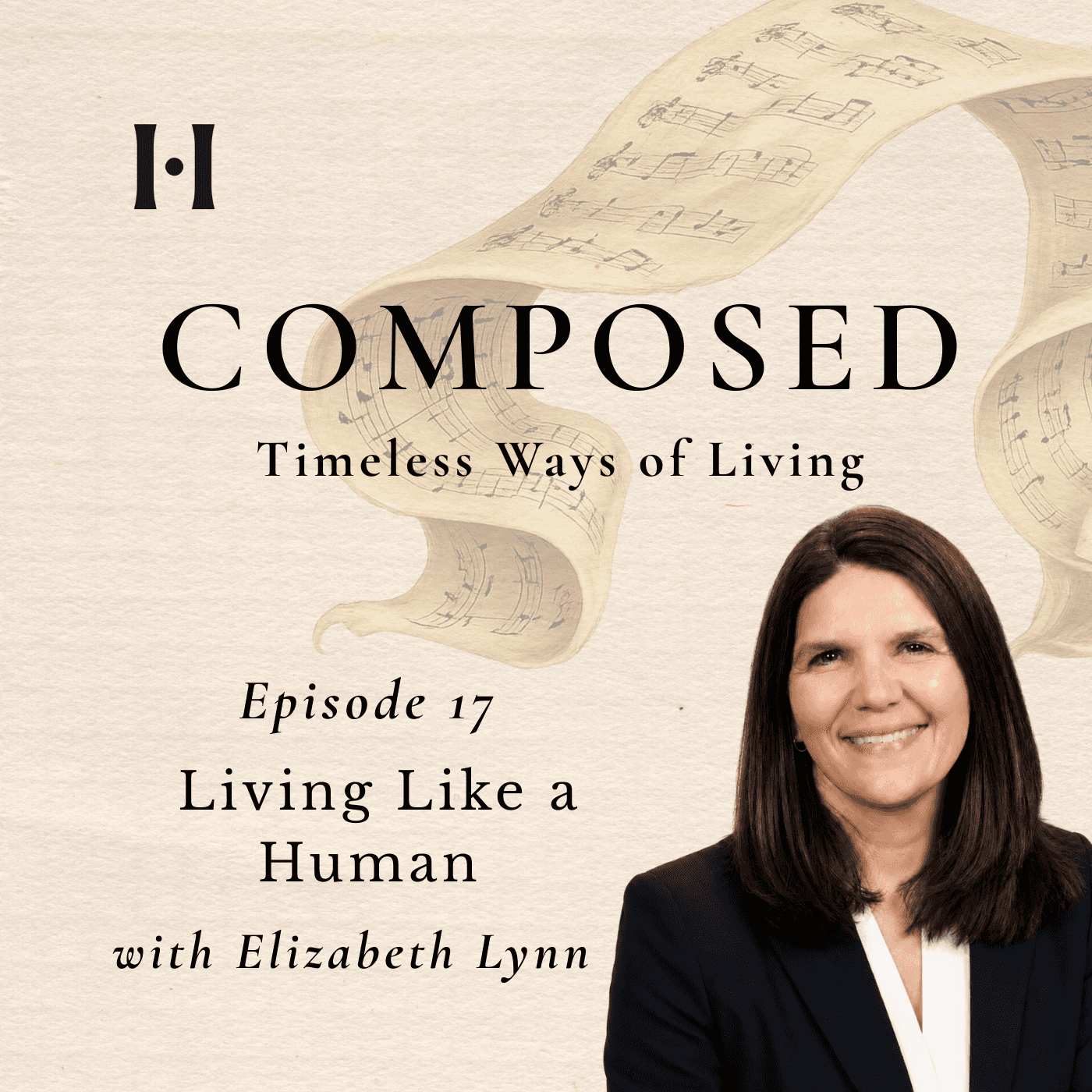
Podcast Living Like a Human with Elizabeth Lynn

August 31, 2026

Composed: Timeless Ways of Living


Living Like a Human with Elizabeth Lynn

What helps a child learn, a family flourish, or a community grow strong? Elizabeth Lynn suggests that the answer often begins with things that can seem almost invisible: order, repeated rhythms, presence, attention, and the willingness to delight in one another. In conversation with Christine Perrin, Elizabeth reflects on the “liturgy” of a classroom, the surprising gift of being known by name, and why beauty and rest depend on patterns that make room for genuine learning. She also considers the challenge many families know well: how to cultivate an inner life when the tempo of the world refuses to slow down. For Elizabeth, Scripture has become a lifelong anchor, calling her again and again toward humility, stillness, gratitude, and a life attentive to God and neighbor. Their conversation offers parents and educators a hopeful picture of formation. The small practices of showing up, praying for people by name, making room for wonder, and refusing to let busyness dictate our deepest commitments can slowly shape the atmosphere of a home, classroom, and community. It is a vision closely aligned with the Humanitas Institute’s commitment to education as formation through relationship, beauty, truth, goodness, and wonder.
Substack Teaching Children the Fruit of Longsuffering

August 24, 2026

Dr. Toyin Atolagbe


Teaching Children the Fruit of Longsuffering

A new generation of parents has arrived, people who love their children more visibly, more anxiously, and more attentively than perhaps any generation before them. They read the books, they watch for the warning signs, and they would lay down almost anything for the good of the child in front of them. Yet many of these same parents struggle to tell the difference between play and  scholé , or between protecting a child from cruelty and protecting a child from difficulty. These are not the same acts of love. One forms a soul while the other, however tenderly intended, can quietly deform it.

Podcast Beauty Is Not a Luxury with Nadezhda Gribkova

August 17, 2026

Composed: Timeless Ways of Living


Beauty Is Not a Luxury with Nadezhda Gribkova

What we attend to quietly shapes the people we become. In this episode of Composed, Christine Perrin speaks with Nadezhda Gribkova about beauty-first education, the patient work of looking, and the relationships that make genuine learning possible. Drawing on Dostoevsky, Rowan Williams, Jane Jacobs, sacred icons, and her own experiences as a student and teacher, Nadezhda explores why formation cannot be reduced to transferring information. Her own education, as a fifteen year old in a new country, significantly shaped her life. Her teachers, she explains, took her seriously by tackling difficult books in conversation and asking good questions toward the person she would be but was not yet. She offers simple practices for recovering attention, including memorizing poetry, observing art without rushing to interpret it, and returning to the patterns that remind us what is true. Their conversation invites parents and educators to consider how beauty can deepen family culture, strengthen human connection, and orient an ordinary life toward flourishing. At the heart of the conversation is a hopeful claim: beautiful things are not luxuries reserved for experts. They are gifts that can ground us, enlarge our vision, and help us remember how to live.