Junius Johnson: As a teenager, I was deeply dissatisfied with the world. I was I was not a believer, and I found this this existence, this life that I was in, unsatisfactory on a variety of levels. But because my heart was shaped by the right types of stories, the right types of emotional responses to certain intellectual challenges, I had been kind of inoculated against a certain level of capitulation to the darkness around me.
Brian Williams: Hey, folks. This is Brian Williams, host of Forged, the podcast of the Humanitas Institute about forging well lived ordinary lives of discipline, delight, craft, calling. Today, my guest is doctor Junius Johnson. Junius is a teacher, writer, and classical musician who lives in Memphis, Tennessee with his wife Rebecca and their two children. You can find his extensive bio and links in the show notes.
Junius and I have crossed paths many times over the years at conferences and dinners, and once even in a long Uber ride. Though because our third Uber mate was so interesting, Junius entirely forgot I was there. But despite that, welcome to the welcome to Forged, Junius. Good to have you.
Junius Johnson: Hey. I didn't know you were gonna be here today. So, yeah, good to see man.
Brian Williams: Hey. What's your name again? Yeah. Well, I wanted to bring Junius on the show for a number of reasons, but really to help us think about something that concerns every parent or teacher, which is how to prepare our children and students to face the world as it really is. Right?
We wanna make sure that we keep their eyes wide open to the fierceness of the world, the brokenness of the world, so they're fully prepared to meet it when it comes. But Junius' suggestion for how to do that is somewhat surprising. He argues we need to stoke their imaginations and work to raise our own imaginations from the dead, and he suggests we do that through, well, fairy stories. So that's what I wanna discuss with him today. So, alright, Junius.
You're a parent. I'm a parent. One of our core vocations seems to be to apprentice our children to the reality of the world. Right? My own son is 19.
He's leaving for university this fall. I think of Odysseus' son, Telemachus, who was famously incompetent because nobody was around to apprentice him for who he was or how to be in the world. But you suggest in multiple writings that what kids need in order to actually understand the world and be prepared for it are fairy stories. So what unpack that. How do fairy stories possibly prepare students and children for the real world?
Junius Johnson: Yeah. First of I should say what I mean by fairy stories because a lot of times when I start talking about fairy stories, everyone thinks I mean fairy tales, and they run off into that. Fairy tales may be included, but that's not the extent of what I mean. I took that term fairy stories from Tolkien, and he's writing at a time when those things haven't quite settled down as much yet. I think if he were writing that essay on fairy stories today, think he probably would have said on fantasy.
And so, really, what I mean by fairy stories is the types of stories that contain as an integral part of what's going on in the story fantastical elements. That could be in terms of magic. That could be in terms of, you know, fantastical beasts, all sorts of things. But what the fantastical references are exactly the types of things that children should not expect to meet in the world. When my daughter was young, she came home from school one day and said, daddy, my teacher told me that unicorns aren't real.
And I said, well, I wonder what she meant by that. Because I said, I think what she means to say is that it's unlikely that you'll meet a unicorn in the world as you go about your business, but that doesn't mean that they aren't real, and that doesn't mean they might not be some of the most important and powerful objects of your thinking, even though you might not expect to meet one in the world. That said, I also wanna say that we don't know that there are unicorns. I mean, we haven't met most of the biological life on the planet. 90% of the planet's species, we haven't seen.
Half the planet's surface, we've never set foot on. Who knows what's out there? So then she started coming she thought about this, and I could tell that she said something to her teacher because the what came back from school started to be more like, oh, they aren't real in our world, which I was I'll I'll take the the little qualifier there.
Brian Williams: Well, what you what could have come back was, I'd like to see your father in my
Junius Johnson: office. Thank you. I I I think she very much did not want to see that, actually.
Brian Williams: That's probably that's probably was your point though to your daughter about Yeah. It about unicorns? I used to tell my daughter Maeve that we had a dragon that lived on on the roof.
Junius Johnson: That's a shame too.
Brian Williams: Just miss its miss its tail as it, you know, swept by the window. But for you, what was your point with your daughter about unicorns?
Junius Johnson: Well, my my point is that I wanted her to understand that the world is a wild place, and that what we either we individually or we collectively, as all humans ever, have experienced is not necessarily the best indicator of what's out there to be experienced. Right? So I I I do need her to know the difference. So she started asking me she came to me a few days later and said, daddy, are bears real in our world? And the I thought, okay.
So she's not this question is not about should I care about bears? This question is, do I need to worry about running into a bear? Of all the things to have nightmares about, are bears on that list? And I said, well, yes. They they are real in our world.
She's trying to map out what belongs in the story land and what belongs in our land. But more importantly, one of the things that I find is most challenging about talking with my academic colleagues, especially philosophers and theologians, is they're so confident, scientists as well, actually. They're so confident that they know what types of things exist and what types of things could exist. And I and I just don't share their confidence that we have a really good handle on that. Now I now why does that matter?
Right? Because if if if I'm not really gonna meet a dragon out there, why does it matter that I think about dragons, that I train my mind on these types of things? Well, precisely because I think it's a pretty common human experience judging from our literature and our art that the world doesn't consistently present itself to us in ways that we understand or expect. It keeps coming at us sideways. Right?
Just when you think you've got a good bead on things, something happens, something comes out of the blue that you never saw coming. You could think about this in terms of big cultural moments. The Kennedy assassination, the Challenger explosion, nine eleven, COVID, these are things that fundamentally reshaped the world. Things are different afterwards than they were before. These are memory markers for us because they were so such potent experiences that none of us saw coming.
Right? And so the goal of engaging with the world through fantastical literature is twofold. One is to make sure that we don't get so stuck in our sense of what's happened before that we miss the new thing that's coming next because we don't have a category for it, because nothing like that's ever happened before. But also to make sure that we recognize that it's not just that the world might do something strange and unheard of, it is that the world is in fact a much wilder and more magical place than we think it is.
Brian Williams: Okay. So in another one of your essays, you write that an old name for Fairyland is the realm perilous. Mhmm. And you say that's because Fairyland is inherently a land of dangers and peril, and that it has to be. What why is that?
Junius Johnson: I think it has to be because of what we are. There's a moment in you remember that moment in Return of the no. In Empire Strikes Back, I think it is, when Luke is training with Yoda on Dagobah, and Yoda says, you know, they come to the cave. And Luke
Brian Williams: says I know it well.
Junius Johnson: Right? He says, what's in there? To which Yoda replies, only what you take with you. And so Luke doesn't pay attention, and he starts going in, and Yoda's like, okay. Let me make it clearer.
You don't need your weapons. And Luke gives Yoda this look like, you're crazy. I'm taking my weapons. And therefore, the encounter with Darth Vader see, I think he was always gonna encounter Darth Vader in there, but I think the way the encounter went was determined by the fact that he took his weapons with him.
Brian Williams: Okay. So what do mean by that? So do you mean, like so so I ask you, why does Fairyland need to be perilous in an in a world of dangers? And you say that we're what? We're perilous, and we create danger, and we we we bring evil into the world, and therefore we need to see it reflected in Fairyland.
Is that is that the point?
Junius Johnson: It's not exactly that we need to see it reflected in fairyland. It's rather that we are going to fairyland is going to resonate along with the frequency of our being. And because we're broken, because we're fallen, we're not we're not just broken, which is that we don't work right. We're fallen, which is that we don't do right. And so what we do, and we see this in our lives every day, is we pour evil into the world around us.
We hurt our friends. We hurt our family. You know, even in our best instances to parent well to be a good spouse, we hurt the people we love the most. We hurt people we don't even know or care about. Mhmm.
Like, we we go out of our way to hurt people we don't care about. And so that's what Fairyland is picking up off of us, and Fairyland is gonna reflect that back to us in its own characteristic way.
Brian Williams: Okay. So so if we live in a world of danger and peril and brokenness and fallenness, why do kids need to see it in Fairyland? And if you think of the fairy stories, Brothers Grimm, George McDonald, Hans Christian Andersen, Oscar Wilde, all the non Disney versions of those, there's evil. There are dragons. There's evil stepmoms.
There's cannibal witches. There are wolves out to trick you. There are goblins and ghouls. Why do kids need to have their imaginations, if you will, stoked and provoked by evil and and fairy stories if we see it all around us?
Junius Johnson: Yeah. Again, say two things. One is I have no. You know what? In the beginning of Out of the Silent Planet, not the beginning, but about a third of the way through, when Ransom first lands on Malachandra, he's so excited to be on a new planet.
He wants to see everything, and he gets out, and Lewis says his very desire to see defeated him. And he's looking at these tall shapes, and he's like, are those clouds? Are those trees? Are those mountains? And then Lewis says something that I think is really profound.
He says, in order to see something, you have to already know to some extent what it is. You need a category to put it into, and he has no idea what the categories are in this new world. So I think that even though we can trust that our kids will experience evil, and so we don't need to, you know, give them evil because otherwise they'll never know evil, and that'd be terrible. No. I I trust that the world is gonna do all it can to to break them down and show them evil.
Nevertheless, they might not have categories for that evil. Peter says I don't remember if it's first Peter or second Peter, but he says, why are you surprised when you're suffering as if something strange is happening to you? I love that. As if something strange is happening to you. Suffering.
What's this? Who nobody told me about this. He wants us to have the category for the types of things that might come to us for being followers of Christ. I think that the portraying these things in the stories helps the kids with that. But the other thing is, okay.
So great. That's a dragon. Unlike Eustace who saw a dragon and didn't know what it was, I know what it is. I know what the danger is. I don't
Brian Williams: know side of road. Lewis says some something like he had read all the wrong books?
Junius Johnson: Yeah. That's right. Exactly right. Because he's reading books of fat foreign children doing exercises, which means Americans in modern schools, literally. So I know that.
I did that. I'm not used as good. Job one, it's a dragon. What do I do now? Right?
How does one respond to a dragon versus a unicorn versus a Pegasus? Right? Okay. But, again, it's not literal. It's metaphorical.
By understanding the types of responses that are appropriate to these different types of fantastical situations, we expand the child's vocabulary of the types of moral responses that are possible to things in the world like political oppression, unjust war, all these types of things.
Brian Williams: So when Shiloh Brooks was on the podcast a few weeks ago, he said that guys need to read books because it develops what he called an emotional athleticism. And I think what he meant was it expand it expands our range of emotional being, emotional ability, or the ability perhaps to respond to these kind of scenarios in the in the real world. Yeah. So I mean, is it is it something like that? Like when you you see the hero.
Right? I as a as a kid, I'm reading a fantasy story. That's me. I'm living that heroic life. Right?
That's right. Courageous character coming up against the dragon. And in a way, my imagination is is stalked and provoked, and I know what it feels like kinda to be that to be that hero. But that's in that narrative tale. And I mean, you saying I mean, is it is it is it something like that of that?
I mean, what he called them emotional athleticism, but some version of that.
Junius Johnson: Yeah. Something like that. That's definitely a big piece of it. Because, essentially, what we want our children to learn as they grow up is we want them to learn analogical thinking. Because we can teach them principles.
We can teach them wisdom. No. I don't mean to say wisdom. We teach them the principles, and then the the wisdom is knowing which principle to apply when and to what extent. And I think that to do that well, you have a whole stock of more you've read your player your Plato, your Aristotle.
You've got all these things, but how do you know which tool to reach for in this situation? A lot of that requires imagination. I'm not a very handy guy. Okay? So you put me I'm not the guy you wanna send to Habitat Humanity to build the house because I wouldn't wanna live in that house that I built.
But I have had to learn some things just being a homeowner through the years, and one of the things a lot of it I learned from my stepdad I mean, my my father-in-law is he's helped me with projects around the house, and I'm often surprised by how he uses a tool. To me, a hammer was something you hit a nail with. But to him, a hammer was also a crowbar, and a hammer could also be something you would use to nudge something in the position. He has all these different ways of using the hammer, and I realized that his imagination for the tools is broader than mine because he's experienced a lot more ways these tools can be put into play. Well, I can't take my kids everywhere I wanna take them.
I don't have the time or the money to take them to see and do all the things I want them to do. But in books, I can have them encounter a lot of situations. I want them to encounter I want them to read things like Treasure Island, which are based in the types of challenges they'll see in this world. But I also want them to read things like The Hobbit, because there's something special about that moment when Bilbo is going down into Smaug's lair, and he hears the dragon breathing, and he knows for sure that it's down there and that it's alive. And Tolkien says, going on from there was the bravest thing he ever did.
That's a whole different level of bravery than what Jim Hawkins does for his crewmates. And I think maybe to image that type of bravery well, I think they need a type of threat that's a dragon level threat.
Brian Williams: Yeah. That's what I wonder about. Is it is it that stories like fairy stories, they need real danger. They need real threat. They need really scary things.
Yeah. In in part because kids are gonna face really scary things in the in the real world, and maybe it's better to face them in a kind of fairyland first Yeah. Before they face them in the world. So this this raises the question then about, you know, Disney's version of, know, some of these stories. Because they seem to diminish the evil and kind of flatten it out and and make it a little more sanitized.
And in in doing so, I mean, I I guess they maybe they rob some of the power of these stories.
Junius Johnson: Yeah. I think to the extent that they do that, they do run the risk of robbing the stories of a good portion of their You know, they're they don't always do it. I mean, the the Maleficent turns into a dragon at the end of Sleeping Beauty, that's pretty harrowing. And Aladdin facing Jafar, when Jafar has the genie powers, that's pretty pretty intense. But sometimes they do it.
And that's the that's the danger of domestication. Right? We take these stories and we make them into nice stories. We reduce fairy stories down to fairy tales in the most banal sense of that word, not in the original older What
Brian Williams: what do mean by that? What do mean by reducing them to fairy stories?
Junius Johnson: So it's it would have sort of become these, oh, these are lovely stories to tell children, and they and they entertain children, and they make children happy. You know? And so the point of the story becomes to give the give the child a giggle, give the child a bit of delight. Right? Fairies stop being these big scary forces and become these tiny cute little things that wear dresses and and all of that.
Brian Williams: Right? Because they are. I mean, in the stories, fairies are unpredictable. They're scary. They will harm you.
They play tricks on you. They are not little mushroom fairies in the forest.
Junius Johnson: Yes. They're not safe, and they're not good.
Brian Williams: That that's exactly that's exactly right. So so a couple questions then. How do they differ from something like Aesop's fables?
Junius Johnson: Yeah. You know, one of the things that I find really fascinating about Aesop's fables is they were not written for children. He wrote them for adults. And so his goal is to do something to the adult reader through these stories of talking animals that dramatize for you the dynamics of the world you live in. And then I started looking at the rest of the Western literature through that lens, and I realized the the fantastical stories were never for the children until very, very recently, just in the twentieth century.
Brian Williams: We probably had no concept of writing for children. I mean, historically, people didn't really think about childhood as a category. Teenagers certainly weren't weren't a category. You see
Junius Johnson: definitely not there.
Brian Williams: Definitely not there. Things like
Junius Johnson: the know, maybe the the the the battle of the frogs and the mice, the pseudo Homeric battle of the frogs and the mice, that might have been an ancient Greek text for children. It seems seems like it's a reasonable way to interpret that text. But when they wanted to really you know, the monsters were for the adults. They thought that this is how you train minds and hearts and souls is by these bigger than life challenges. What I really love as an example of this actually comes from the Christian heritage, Fox's Book of Martyrs.
Fox's Book of Martyrs is this wildly popular text that was published originally in, what was it, the sixteenth century, detailing all these people who had suffered for the Christian faith from the early days of the martyrs all the way up through current affairs current events in England. And then it kept it's been added to and updated ever since then so that there are editions of it. They bring it all the way to the twentieth century. What was going on with with buying this book that talks about the ways that people were horribly tortured and killed for their faith? Where's that get fun?
Well, I think that what you are after with that, one of the reasons that I read it when I was in high school, was I thought to myself, you know what? I might have to suffer for the gospel someday, and I'd like to prepare my mind for what that might look like. Reading these stories helped me to begin to get a handle on the type of courage I would need to have to stand firm in that sort of way.
Brian Williams: Yeah. And in the in the long tradition of virtue ethics, you know, central to the learning of virtue is to have what Aristotle called a in front of you, a moral exemplar. Right? Yeah. Somebody that embodied the the courage, the kindness, the temperance that you don't have but want to.
Yeah.
Junius Johnson: I mean,
Brian Williams: it's a little bit like, you know, those old bracelets people used to wear back in the day, WWJD, what would Jesus do? It was a little bit like, what what would, you know, Saint Peter do? Or what would Hercules. Odysseus do? What would Hercules do?
These kind of things. Right? To say Yeah. Oh, yeah. What what would that virtuous person, what would that strong man, what would what would they do in in my kind of situation?
Now what keeps these stories that you're advocating from being just flat morality tales? You know, people have given my kids books over the years that are you know, they're little stories about how to be kind to Jimmy and how to stand up when something's going wrong. But they're such bad stories, you wanna you read them once to be polite, and then you never want to read them again. Yeah. Right?
Because all they are is a is a flat morality tale that really doesn't do much more than just me saying, hey. Be kind. So how how does that differ from what you're describing?
Junius Johnson: I think you have to respect the genre. You know? I mean, I can I can write a sermon if you want? You can you can we can read sermons together, and that tells you you can read moral orations and discourses and ethical philosophy and all that other sort of thing, but we're talking about stories. And for stories, stories aren't addressing you primarily by your head.
They're primarily speaking to your heart. They're pulling on that thumos, that part of this middle Plato's middle part of the soul that makes us resist the wicked and fight for the good. Right? So if that's what you're doing, if you're talking about a story, a story ought to primarily care for the story, the narrative virtues. It should have characters that breathe.
It should have a world that feels full and rich, and it should draw you into an action that is internally coherent, not because of the thing it's trying to signify as if it were a straight allegory. Not that I don't like allegories, but they're they're different, and they're hard for for people to get into. But rather no. The reason why Lucy behaves as she does is because of who Lucy Pevensie is and what's demanded of her in that moment. But by doing that, by being authentically Lucy and keeping Aslan before her eyes, she also then gives us an example of what we can do to be authentically Junius and keep Jesus before my eyes.
Brian Williams: Okay. This this I wanna lean into something you said there and have you you say a little bit more about it, that stories appeal not to the head, but to the heart. And you you referenced Plato's thumos, the pthumotic part of the soul. You might unpack that a little bit. But it seems like that's especially significant for children
Junius Johnson: Yeah.
Brian Williams: That we appeal to their hearts, to their affections. One of the things I learned from Aristotle was that he said, one of the most important aspects of learning virtue is to learn to feel pleasure and pain at the right things when you're a child. Right? And I think about, like, my 10 year old, you know, when she was five or six, she could think. I mean, she had a rational mind to be sure.
But her, you know, prefrontal cortex, if you will, isn't gonna stop developing for now another, you know, fifteen years. And so rational reflection, abstract reflection, she's developing that.
Junius Johnson: Mhmm.
Brian Williams: But boy, can she feel? Boy, can her heart be moved?
Junius Johnson: You
Brian Williams: know? And so it seems like maybe stories, and to your point, fairy tales are significantly important for for young people Yeah. Because that's where they are at developmentally, living, if you will, sort of through their affections.
Junius Johnson: Yeah. That's exactly right. I mean, of the things from my own story, what I was as a teenager, I was deeply dissatisfied with the world. I was I was not a believer, and I found this this existence, this life that I was in, unsatisfactory on a variety of levels to the to to the point of being suicidal. But one of the things that always nagged me, I there was a fundamental refusal in my soul to believe that the world had to be this way.
Even when I had been so much evidence had been piled on that the world was this way, none of that evidence
Brian Williams: By this way, you you you mean of depressing? Yeah. You know, the
Junius Johnson: modernist, you know, despairing universe. The existence is an ocean, and you're in a boat without oars. It wouldn't matter because there's no land anyway.
Brian Williams: You're one not water. The abyss is staring back.
Junius Johnson: Yeah. Exactly. That's That's right. It is laughing at you because you're tiny and small and nobody likes you. But, you know, enough about me.
The and so but but none of that stuff, which was I felt so powerfully and so deeply, that existential despair, it couldn't touch my sense that but it's wrong for the world to be this way, and the world could be different. Later on, I I began to sort of do archaeology in my soul to figure out, where did that come from? How did I how was I able to hold on to that? It wasn't through any virtue of my own, I'm sure. And I realized that the types of stories that I'd read, including Above All Narnia, which was the thing that shaped my my heart more than anything else, there's puddle glow.
Right? I don't I don't have to accept your world, lady. I have the option to go dream in self deluded darkness if that's better than what you're offering. Because my heart was shaped by the right types of stories, the right types of emotional responses to certain intellectual challenges, which is what the witch was offering Potogloom and the Children, because of that, I had been kind of inoculated against a certain level of capitulation to the darkness around me.
Brian Williams: Because you you had a sense, a taste, a desire for something better, something more beautiful, something more whole, you got through stories, if not through the the environment around you in the moment.
Junius Johnson: That's right. Even if the taste was nothing more than the description of a taste, and I had never actually had the taste in my mouth, the description was sweet enough that I was chasing that my whole life.
Brian Williams: Yeah. That's right. But before I let this go, I wanna ask you about another comment you made about fairyland. And you you wrote that if fairyland is gonna hold up a mirror to our world, it has to be a fun house mirror.
Junius Johnson: Mhmm.
Brian Williams: Because you say making our world plain by its very distortion because the fault lies in our eyes which can no longer see straight. So you write the the as fairy world and fairyland mirrors back our own world, it can't do it perfectly. Yeah. It has to show it in a distorted sense. What what do you mean by that?
Junius Johnson: Yeah. So imagine that, something weird happened to your eyes, and everything after that event you saw wavy. So my job let's say that I've I'm an opt an optic specialist, and my job is to design some glasses for you that will help you see the world right. Well, they can't be these kind of glasses. These are straight, and they rained light straight in and everything.
But your your problem is not that you have trouble with distance. Your problem is that everything's wavy. So if I'm designing the right glasses for you, I'm gonna design glasses that are wavy in the inverse way that your eyes are wavy so that their waviness straightens out your eyes. Now imagine that rather than having an accident that has made your eyes go wavy, you were born with wavy eyes. You've never seen it any other way.
And I designed these glasses and give them to you, and you're gonna think, woah. This is so trippy. Like, the world is all wavy. What's going on? And you're like, no.
No. No. Actually, this is normal. You've just never you're seeing it for the first time. That's what Fairyland is for us.
It looks so, you know, exaggerated and strange and weird and everything, and that's because the way that we see the world is not just that the way that we see the world is so upside down, it's that we've been seeing it that way for so long that we've forgotten that it's upside down.
Brian Williams: And so how do fairy stories correct that? Because this reminds me this reminds me of the great quip by Flannery O'Connor, of course, when she's writing her stories in mid twentieth century. For the for the hard of hearing, you have to shout, And for the blind, you have to draw large and startling figures. And if anybody knows her short stories, they are full of large and startling figures. You know?
Junius Johnson: Literally and figuratively.
Brian Williams: Yeah. Literally and figuratively. And in her mind, she's doing it to to to wake you up, to say, no. This is actually who you are. This is what your soul actually looks like.
This is the way people are. It looks like a caricature, but this is actually trying to help you see a reality in in the world. Yeah. So, I mean, is that what fairy stories are doing by showing us such evil and such good that, hey, we flatten those categories out. But would fairy stories help you see?
Yeah. There's real evil. Sometimes it runs through your soul, and there's real good. And hey, guess what? It could run through your soul too.
Junius Johnson: Yeah. That's right. If if a good caricature doesn't randomly exaggerate different features to make it look bad, I think that's maybe what caricature artists do at fairs and things like that. A good caricature takes a feature that is actually a really important part of that person or thing being what it is and blows that up. Right?
So a caricature of you might have a really big skull, this giant brain inside of it, and all of this sort of a thing.
Brian Williams: And big ears. They wouldn't have to work hard for either
Junius Johnson: one of ears. Yeah. Exactly. Right. And and in in doing so, you know, you might look at it and you might, on the one hand, be flattered.
That's right. Do have a very big brain. Thank you very much. But you also might think, but is this caricature also showing me that I I put too much power too much trust in my own intellectual powers? Right?
That could be a very reasonable caricature of me. So it's gonna blow up the specific things we need to see blown up, and it's gonna shrink down the specific things we need to see shrunk down. And though to do that, it's gonna diagnose us. And this is back to that idea of Luke going into the cave, taking in him what's there. He meets Darth Vader, he lights his lightsaber first.
Vader doesn't get out the lightsaber till Luke does, the sense is like, oh, that's the way you want this encounter to go? Okay. It could have been different, but you've made your choice. Fairyland does the same thing. So if you and I were both sucked into Fairyland, we'd have very different experiences because what you need to see blown up big and what I need to see blown up big would be really different.
Brian Williams: Oh, now that's really fascinating. And I see that in my students every semester. I'm sure you have too. Right? A couple of the novels that I read with my college students every fall are C.
S. Lewis' Till We Have Faces and Graham Greene's End of the Affair. Okay. Both of them have broken characters characters who who lack self knowledge and characters who come to grace in surprising ways. And it's always fascinating to see which students identify with which characters.
And really, I mean, I would say every semester that I teach these books, have students who come to know themselves for the first time. Yeah. And whose lives are radically changed by encountering themselves in these stories of of of characters.
Junius Johnson: Yeah. That's right. And that's what good books always do. Right?
Brian Williams: That's That's right.
Junius Johnson: Yeah. That's the job of story.
Brian Williams: So I had a question for you. Yeah. What what what fairy stories in this category do you especially like or authors in this category that you think are especially good or that, you know, for people listening obviously at home who say, okay, fine. You guys have convinced me that I need to read these kinds of stories with my kids in order to nurture and stoke their their imaginations. What do you recommend?
Junius Johnson: Yeah. I've got a I've got a few things I go to real fast for folks. The the first one is The Neverending Story by Michael Inda. You may have seen the movie, especially dads of a certain age. She grew up seeing the movie, Artag Snow.
But
Brian Williams: I can sing the song in my head right now, and it's gonna be in my head for the rest of the day. I'm sorry.
Junius Johnson: It will. And I loved the movie growing up without having read the book. And I read the book for the first time maybe about five years ago, and it it changed my life. I mean, it was so unbelievably good. This this book should be on every classical school's reading list.
Brian Williams: Written in German originally, I believe.
Junius Johnson: Right? In German. Yeah. That's right. That's right.
In the eighties. And it's it's spiritually profound. He's he was a a sort of a nominal Christian, and then he had a really meaningful conversation with a rabbi, and it caused him to get more serious about his own faith, and that shows up in this text.
Brian Williams: Oh, that's fascinating. I I didn't know that. So the never ending story. Yeah.
Junius Johnson: That's one. And then also, Fantasties by George McDonald. It's a hard book because it's difficult to know what's going on, why things are happening, but here's your key to get through Fantasties. The things that are happening to Anatos, the main character, they don't have anything to do with Fairyland and how Fairyland is set up. They have to do with his moral progress, What he gets right and what he gets wrong, that's what's happening.
It's it's the clearest example I know of Fairyland mirroring back to you what's going on in your soul in order to try to cure that.
Brian Williams: And at the end of that book, he leaves Fairyland, and he's back in his his own land. Mhmm. And he asks himself a rhetorical question. I'm gonna paraphrase it. He says something like, what I learned in Fairyland, Do I have to relearn it all back in my own land, or can I carry with me those lessons and fold them into who I am so that I I am a different person now that I'm back in my own land?
That's always the question for me with reading a story that can I fold those lessons that I learned while I was immersed in the immediacy of that story? Can I fold those into my soul so that when I step back into the immediacy of my own life, I carry that wisdom and I carry those experiences with me such that I'm a different That's Anodos' question, I think?
Junius Johnson: Yes. And there and then he says that this is, I I don't know, but I fear.
Brian Williams: That's right. That's right. He you're right. Should've left him that. But he leaves it open.
And McDonald Yeah. The author, George Bettle, kinda puts that slides that question across the table to us. Yeah. Don't Do you know? Can you do this?
Yeah. That's wonderful. Okay.
Junius Johnson: The Neverending Story has the same dynamic. At some point, it's explained that everyone who every human who came to Fantastika went went back to their world having learned something they could only learn here, and they went back changed, and they changed your world in response. I think there's two types of people who are good at doing what Anandos is talking about there, and the first one is children. I think children are good at hearing a story and then choosing to be a different person ever afterwards because of that. And the other class of people I think who are good at that are people who had some success doing that as children.
Brian Williams: Well, and this just this just reinforces Aristotle's point in what we were saying earlier that these are lessons you have to learn as a child. And I think so many of us who grew up reading books then played those books in the backyard. Right? We acted those books. I mean, those of us a certain generation, yes, we were Han Solo and Luke Skywalker.
No bad thing. I mean, I might have been Chewbacca a couple times, probably still am in some ways. But, you know, so many of these stories, we went and played them. We lived out those characters, and so it wasn't enough to do it in our minds. We were like, we wanted to embody it.
And in a way, to use a strange category here, we incarnated those characters in our own selves, in our brain cells, and in our actions.
Junius Johnson: Yeah. That's right. And those stories didn't really achieve their T loss, their their goal, until we had done that. Because the stories always aimed at making us not just see the world differently, not just understand the world differently, yes, those things, but more importantly, be different.
Brian Williams: That's right. And I I don't you and I could go into this, but I'm just gonna note for those authors who who have ears to hear that the medievals called this a tropological reading of a text. They were thinking of scripture, but it's that reading that turns into a kind of moral formation. Alright. So I cut you short.
So you said The Neverending Story. You said Fantasties by George McDonald. Are there other stories that come to mind, fairy tales or authors?
Junius Johnson: Narnia is the big one. People aren't reading Narnia. Children aren't reading Narnia as much today as they were when we were kids. I've been trying to figure out what's going on with this, and my best guess is that the success of Harry Potter broke hard, Narnia's Hegemony. Originally, people were reading Harry Potter instead of Narnia.
Now they might be reading other things, but it's kind of like there was this break where Narnia there's no longer kind of obvious that every kid would be reading Narnia. They're so good. They they age so well, and so we need to go back to those stories or go to those stories for the first time. I would also add, The Hobbit is a great example of this. I think The Hobbit is a really wonderful book for teaching personal responsibility, for teaching the the way that you can rise to the occasion, and teaching the duties of friendship.
Right? I mean, at the end, Bilbo's got to decide, oh, you know, am I really going to take the Arkenstone and give it to Thorin's enemies so that Thorin doesn't get into a war with humans and elves that will probably get him killed. And he does. And when he does it, he says, I give to you the heart of the mountain or rather the heart of Thorin Oakenshield. It's a powerful image of what it looks like.
This friendship sometimes requires you to betray your friend by giving their very heart away if your friend has become so sickened by dragon gold that they can no longer see their own good.
Brian Williams: Oh, that's powerful. That's powerful. So so let let me think with you about the adults in the room now. We've been talking about, you know, stoking and stalking the imagination of children and students, nurturing them so that they feel pleasure and pain at the right things. But it's one thing to try to do with kids, but then something seems to happen with us as as adults.
Right? Yeah. It's incredibly difficult, a, to pass down a vision of a wild imagination to our children when when we don't have it ourselves, right? And we're we as adults though become obsessed with technical efficiency, professional kind of ascendancy, economic productivity. And this leads me to ask you about your least favorite word in the English language.
And what is your least favorite word in the English language, Junius Johnson?
Junius Johnson: Merely.
Brian Williams: Merely. What what is that? Why merely?
Junius Johnson: And all of its synonyms, like, merely, just, only. Because it it what it says to you is nothing is anything more than what it seems to be. Oh, that's oh, my gosh. Water's falling from the sky. Oh, that's just rain.
What do you mean just rain? You guys, water is falling from the sky. That's crazy. What kind of a fairyland do we live in when that kind of a thing happens? Where'd the water come from?
What do you mean it came out of the ground? This is nuts. This is high sorcery. But as we become adults, we you know, I've we've seen it rain how many thousands of times. It's it's old hat.
Been there, done that, and it comes to feel not magical because it happens all the time.
Brian Williams: It's just a tree. It's just a fox. It's just a it's just a it's just a is it that that that's the we we Yeah. Is this us adults somehow, like, demythologizing the world or kind of, like, flattening the world out?
Junius Johnson: I think I think it absolutely is. Yeah. And and in some ways, you can see why we're attracted to it because then it's easier to manipulate. And that's that's what technology is all about. That's what magic is all about.
Magic and science meet over the question of manipulation. There are ways to take control of our environment, And magic always comes with a cost in the stories. Technology and science also always come with a cost. It may be you're willing to pay that cost, but it won't do not to ask about the cost.
Brian Williams: Okay. So unpack that a little bit. Science and magic are both about what? Manipulation?
Junius Johnson: Yeah. They're both about trying to control our environment. I can I can cast a spell to keep myself warm in a wintry landscape, or I can get a vest that has a battery and is heated and put up constantly, is generating heat around me? I have a vest like this. It's amazing.
Those are two different ways of accomplishing the same goal. This is really well imaged in the Pixar movie Onward, where they have a you have a world that used to be a fantasy magical world. It has all those types of creatures, but ultimately, magic was given over in favor of technology because magic was hard to do. You had to do all these spells, and not everybody could do it, whereas you could just flip a switch and turn a light bulb on. And and so the story deals with a family that is struggling with how to put together their magical heritage with a technological world they live in, and the resolution is a way to sort of bring these things together.
But I loved that conception of, yeah, that they're trying to do the same thing. They're just trying to help me have more control over my environment, to to externalize my desires more
Brian Williams: efficiently. And what what do I lose as a as an adult? So if I if I live in this kind of world of technical technical rationality, technical efficiency, and I see and I reduce everything through phrases like it's just that, it's merely that, What do I lose? How does my involvement in the world, my experience of the world, how does it get flattened out because of that?
Junius Johnson: So on the one hand, you you lose contact with the spiritual aspect of things. If it's just a tree, it's a physical thing, and that's the end of the story. There's nothing mystical about it. There's nothing spiritual about it. It's just it's just some atoms configured in a certain kind of way to make this sort of a thing.
It's potential lumber as well. And cutting it down, there's no need to worry about, anything when cutting it down other than is it gonna produce the type of wood and the amount that you need for your project because it's just a tree. Right?
Brian Williams: And the river is just a possible resource for a hydroelectric dam that can power my my, you know, electricity or something.
Junius Johnson: That's right. So we lose the spiritual dimension of things, which means we get cut off from the meaning of things. And when you lose the meaning of things, you're going to lose the beauty of things as well, because beauty is not the same thing as prettiness. Beauty is not about the surface only. Beauty is about the death dimension.
It's something that reaches roots deep down like a tree. But if there is no deep down, if everything is only what it appears to be, then beauty is gonna go out the door as well. You're gonna lose any sense of, the good. How can you say that something is good or bad? It just is.
It's it's a tree. Is a tree good or bad? It's neither good nor bad.
Brian Williams: It's just a tree. That's right.
Junius Johnson: And so and and if you're if you had experience with the direction that Western culture went, you'll recognize that this is exactly what happens in modernism. Things start to go away, things start to drop off. The hyperscientific view of a Darwin leaves Darwin lamenting his inability to enjoy music.
Brian Williams: Oh, that's fascinating. Yeah. Because that that's the question then. What do we lose the ability to do Yeah. As adults when we start doing this?
Yeah. I mean, it it seems like perhaps one of the things we lose the ability to do is is wonder at the world. Exactly. Feel ourselves to be enchanted by beauty in the world because we have flattened everything out to merely this. It's just that it's just chemical neurons in in your brain, these kinds And of so it ends up you're wised up in a way, but you're you're really you you become rather weary of yourselves and and the world.
Junius Johnson: Yeah. You're like the dwarves in the last battle. You're not getting taken in by anything.
Brian Williams: Okay. Yeah. Tell that tell us that story. Nobody wants to be one of those guys, but would you remind us of that story?
Junius Johnson: Yeah. So in the last battle, there are these dwarves, and they
Brian Williams: And this is the last battle. Yeah. The it's the last book in CS Lewis' Narnia Chronicles.
Junius Johnson: That's right. That's right. So these these dwarves had been they felt like they had been maybe exploited a little bit by their loyalty to Narnia and the crown. And then the Calamines had come in, they had invoked the name of Aslan and gotten the dwarves to work for them. And then the dwarves realized that was all a hoax, they were like, okay, dad.
That was just another thing to exploit us with. And they finally said, you know what? Forget all of this. Forget the kings. Forget the lions.
The dwarves are for the dwarves. We're just gonna take care of ourselves. We're not gonna be taken in again. It's all all well and good. Right?
You you've been I've been fooled before.
Brian Williams: We're wised up. We're not gonna dupe we're not gonna be duped. Right? We we our eyes are open. We see what the world is.
Junius Johnson: Yeah. Fool me once, shame on you. Fool me twice, shame on me.
Brian Williams: That's right.
Junius Johnson: Well, at the end, they get thrown into this stable, which turns out to be, for them, the door into Aslan's country, and they are sitting in paradise. It's just the antechamber to paradise, mind you, but it is paradise, and they're surrounded by all this beautiful stuff and beautiful fruits and things, but they don't see it. In their minds, they're sitting in a dark stable. And when Aslan makes a big feast for them full of all the most delicious food, they start eating it, but they think it's thistles and hay and dirty stable water. Their their experience of reality is completely disconnected from what reality is really like, they're not being taken in, but because they won't be taken in, they also can't be brought out.
Brian Williams: That's right. That's right. They can't they can't be moved. Right? Because in a way Yeah.
They're they're protecting themselves. Now Yeah. What do you say though to that person who has experienced pain loss? I mean, think I I I have a few friends who were on a long text thread, and yeah, a couple of these these buddies, they're in they're in low spots. It's it's hard to see beauty.
It's hard to be open to, if you will, the transcendent. It's hard to see much beyond, like, the sorrow and the sadness. And so so for them, how does how do you help them, or what do you say to them about experiencing beauty? You know, can they? How does how does beauty sit with sorrow, if you will?
Junius Johnson: Yeah. I I think it's really important before answering a question like that to say that there are no easy answers to that question, by which I mean any answer, even a good answer, is still gonna be incredibly hard for that person. When you've been hurt that badly, there is no non painful way out of that. And so because you still
Brian Williams: have to walk through that valley. Right? You still have to walk through that valley of the shadow. Still have to
Junius Johnson: part of it forever.
Brian Williams: You still have to sit in it. But I guess the the the question is, does beauty have a place in that? One of my favorite bands that my wife and I listened to all through college is the Innocence Mission.
Junius Johnson: Okay.
Brian Williams: And they have a line in one of their songs, where is beauty this hour? Is it still going on somewhere? And that's kind of the question of people sitting in sorrow, sitting in, you know, pain and suffering. Yeah. So does what what what is the role of beauty for someone in one of those kind of moments?
Junius Johnson: Yeah. So beauty does exist in those places because all of the truly powerful things of this world are the great transcendentals. They all have the power to coexist with their opposites, and that's actually how they can overcome their opposites.
Brian Williams: If it were true Say more about that.
Junius Johnson: Yeah. If it were true that God had to flee sin, then God wouldn't be in a position to overcome sin. He would never be able to interface with it. But because God isn't threatened by sin, sin is threatened by God, and so God can abide when Jesus descends into hell, it's not a moment of cosmological all is lost. Now we're screwed.
God's in hell. There's no way out of this. Rather, it's the beginning of the end for hell's universal power because Jesus has been there, and he's gone down there where you would think this is the one place God can't ever go. This is the place where the demons are like, we're safe here. He can't come after us here.
And he walks down there, and he's like, hey. What's up? And guess what? He's still himself, and his power is just as almighty, just as irresistible, just as overwhelming, just as good, true, and beautiful. And all of a sudden, hell is very small, and it doesn't mean what it meant before.
And so I think beauty has to come not only can it, it has to come into those darknesses if those darknesses are gonna be transformed into the dawn of the new day.
Brian Williams: And sometimes, as beauty often does, it surprises us in those moments, doesn't it? Yeah. And sometimes you find yourself struck by something lovely or beautiful, and you almost have to give yourself permission to experience it as lovely Yeah. Or or beautiful. But then when you do, it can be a reminder the world is truly a beautiful, lovely place.
And this is one of the things that I think that really struck me in your writings on the importance of fairy tales for children, and why I introduced this by saying we as parents and teachers wanna introduce our our kids to the world as it really is. Well, the world as it really is is, yes, it is broken and full of evil and the evil that runs through our heart, but it's also lovely, and it's beautiful, and it's full of wonder, and it and it delights us in new and astonishing ways on a daily basis if we are nurtured to see it and trained to see it.
Junius Johnson: Yeah. The the other you mentioned the name for Fairyland is the realm perilous. The other other name for Fairyland is the bright realm. It's both at the same time. But if you want the brightness, you have to manage the peril.
You can't skip it. You can't cheat your way through it or argue your way out of it. You're gonna have to bleed. Fairyland will demand blood for you. But likewise, you know, if you're sitting in that place of of deep darkness right now and you don't know you don't see how you could ever be happy again, how it could be worth even risking trying to be happy again.
Because when you open yourself up to that, you also open yourself up to the pain. You've had enough of the peril, and and you're you're you're willing to let the bright go in order to avoid running the risk of more peril, please understand that that is the only place that's the only way for the darkness to win. If you open yourself up to light again, there is the possibility of light. But if you shut yourself off to that in order to try to avoid more darkness, there is only the certainty of the darkness you have lasting forever. And that's why there's no good there's no easy answer for that person, because unfortunately, you've been hurt over and over and over again, and your heart just can't take it anymore, you don't think.
But the reality is, unless you want that to be the last word about you, you have to try one more time. You have to let it in.
Brian Williams: Have to try, and that's what it is, the want to want to be moved. Right? The desire, right, to to be the to be able to be to be moved again, it seems like. And sometimes that happens in beautiful and surprising ways. And sometimes I think, as you said, when you were a a teenager living in through a moment like that, it was almost a memory, wasn't it, of something you read as a kid that or a memory of another moment, another moment of refreshing delight or beauty that said that whispered, hey.
There is there is more There to
Junius Johnson: was a there's another book that I really love. It's called The Girl Who Circumnavigated Fairyland in a Ship of Her Own Making. Also, wins the wins the award for the longest title. And so this girl from Nebraska gets raptured off to Fairyland by the green wind, and she's asking the wind questions. And one of her questions is, do you take lots of girls from Nebraska to Fairyland?
To which he responds, Nebraska doesn't produce many of the type of girls who go to Fairyland.
Brian Williams: Having grown up just South Of Nebraska in Missouri, I can appreciate that statement.
Junius Johnson: That's right. That's right. Sorry Nebraskans. The the point, you know, you if you're from Nebraska, fill in whatever other state you think this is true of. The point is that you have to be a person of desires, in order to be wrapped in this way.
Some of the medieval authors that you and I love, Hugh and and Bonavitcher, will talk about the man of desires drawing from Song of Songs and saying that this spiritual consolation of the of the lover, the the divine lover, only comes to the man of desires. And I think it is, as in all things, Fairyland takes its cue from the kingdom of heaven.
Brian Williams: Well, and so that that would suggest that we should be people of desires, that we stoke those Yeah. And that those desires are for the grand and the beautiful and the courageous and the adventurous and the the true, good, beautiful, and holy as we sometimes say. You can quote me on that. Now let me ask you, Junius, is any of this related to your own music making? Because I I know you're quite an accomplished, you know, French horn player, but but that's not your profession.
Yeah. So I I know there there are lots of us and lots of our listeners who probably have gifts and talents and and skills, or at least they want to have, you know, skills and and abilities like that, but that don't immediately feed into, you know, their their economic bottom line. But I mean, is it something like that for you? Why do you why do you still make music when you're not being paid to make music as a professional horn player?
Junius Johnson: Yeah. I I had this for a long time. I thought that my my intellect was a gift for me to use for the church and for God's kingdom and to try to and to try to help the world, and then my music was a gift for me personally to keep me encouraged so that I could do that other work, and it absolutely functions in that way. It's it it's one of the ways that I keep fire stoked is by listening to great music, yes, but there's a difference in participating in great music, being a part of making it in that in that way. And then, of course, as is often the case with these our understandings of ourselves, over time, it evolved, and I learned to realize that it wasn't no gift is just for me.
Right? That Yeah. In it's a performance gift in performing at my church, in in in other sorts of circumstances, really in every circumstance. I'm in I'm doing for others with my music what that music also does for me. There's a beautiful moment I love to tell people folks about when I was performing a piece in the in a rural village in the Czech Republic, and we're performing this piece that was made up out of their own folk songs, which I didn't know.
I'm not Czech. And I knew how to play this piece well, but I didn't know any of what fed into it. This this is a people that has had suffered greatly under the Russians and also under, you know, Ceausescu, all other sorts of things, as Romania. But they're they're really, really harsh regime before the Velvet Revolution. And so we played this piece, it's over.
And this very old lady comes up to me, and she doesn't speak a word of English, and I don't speak a word of Czech. And she's got tears in her eyes, and she grabs my hand in both of hers and clasps them tight and fixes me with a gaze and just is kind of nodding her head a bit. And in that moment, I knew what she meant, and we communed and we met over that music. I learned something about her and she was able to express her gratitude to me in that sort of a way. So it's like what you were saying before, you know, if we wanna be a people of desire, we gotta do all these things, gotta wonder, we gotta and the question is, how do you do that?
Brian Williams: Well,
Junius Johnson: how do you feed a fire? How do you keep a fire going? You've gotta give it fuel. What's the fuel of wonder and the imagination and joy? Stories.
Brian Williams: It's stories. And so I think as adults, sometimes many of us might have left behind reading stories ages ago to to our kids, but I think what you're writing in this conversation is helping some of us see maybe is that, no. No. No. We need to immerse our ourselves in these these same stories to nurture our own to tune our own affections to what is Yeah.
You know, true, good, beautiful, and holy. But I would also say thinking about your music making, it just strikes me that that is also one of the ways we keep ourselves open to the goodness of the world, that the world is there to be made, is there to make stuff with. It's there to make sounds with and beautiful music with. But if maybe Yeah. I've got a shop back there, you know, and I've got some woodworking tools.
Mhmm. Using the wood is a kind of physical demonstration, if you will, or embodiment of the fact that, yeah, this this wood is good. Yeah. Or the person that likes to take, you know, photographs. It's like, yeah, the world is worth taking photographs of, and and these photographs are are worth making even if they don't advance my career or my bottom line.
Junius Johnson: That's right.
Brian Williams: This is simply an affirmation of the the world's goodness and my participation in it. And that seems to be like something we we we often lose.
Junius Johnson: Yeah. There's two audiences that are always there that is really easy to overlook. The first one, when your children are all grown and they've moved out and they don't yet have grand you know, you don't have grandkids yet and it's just you and your spouse finally getting some peace and quiet at home, there's always still at least one other child there inside your own heart. And so don't defy that child of the stories that he or she longs to hear. And then the other audience that's always there is the material itself.
When you go back to the shop and you take that piece of wood and you put it on your lathe and you turn it and you do all these things and you polish it and whatnot, you draw out of that wood something that's really there, and in so doing, make it more fully itself, and allow it to be a beauty. Not that it wasn't a beauty before, but it becomes a beauty that it wasn't before. And that is that's the same sort of miracle as Christ allowing bread and wine to turn into his body for us. Right? So I think both of those two audiences are constantly there where we can feel so lonely and so isolated as responsible adults paying the bills and doing the things we have to
Brian Williams: do. And
Junius Johnson: we think, you know, why bother? Because no one's gonna ever see it. But there's always creatures around to see it that that that make it matter. And that's I think that's part of what the fairies are meant to teach us. You live in an amphitheater.
Surrounded by things that are watching to see what are you gonna do next.
Brian Williams: That's that's that's beautiful. And I can think of lots of ways that we we could make in the world and live into the world and stoke our imaginations with with with fairies in in in fairy land. Thank you for that. That's that's great. You know, as as we as we close here, Junius, I wanna ask you just a a few rapid fire questions here.
On on the on the podcast, we attend to disciplines, delights, crafts, and callings that constitute a well lived ordinary life. So let me ask you about each these quickly. So what's a discipline you have pursued in your life that has sustained you?
Junius Johnson: Reading doing morning prayer from the liturgy of the hours every morning before I start work. I don't always get it done every morning. I have seasons where I stop doing it and whatnot. I'm I'm I'm gonna go ahead and convict myself now that I I haven't done it this week. I haven't been doing it for the last couple weeks, so I'm gonna get back into it.
But but I do always come back to it, and when I come back to it, it it really is the engine of my day.
Brian Williams: And that that's what did you say the the the morning hours in the Book of Common Prayer?
Junius Johnson: From the the Catholic Leaders of the Hours. Because I I do it in Latin, and so I they have a great Latin book.
Brian Williams: That's great. Okay. That's a discipline. What do you especially delight in, Junius Johnson?
Junius Johnson: I delight in good stories, whether that's books, whether that's movies, whether that's video games, you know, whether that's role playing games, tabletop gaming, the genre the genre matters. But if the story is good, I'm there for it, even if it's not a genre that you would normally expect to find me in.
Brian Williams: Oh, that's great. Alright. Discipline, delight. Craft. What's a what's a craft you have pursued, or is there is there a craft you would love to pursue?
Junius Johnson: Music is that craft for me. That's that's really where I but I should say, I've started I've restarted something I used to do as a child, which is painting figurines, miniature figurines. Someone gave well, I think it was my wife, gave me a a big dragon, and it was just supposed to be this white dragon, and I was like, it's not gonna be white. So I went out and I bought a bunch of paints, I painted it the way that I wanted it. I did research on all the latest, you know, what's the latest in figurine painting.
And I was shocked at how, a, how quickly it took me back to the hours as a child painting dozens of these miniatures, but also just how satisfying it was and how much I loved the results. So I had my family get me some more for Christmas and to paint, and that's something that I'm looking forward to doing a lot more of.
Brian Williams: That's great. Discipline, delight, craft, and what's your calling?
Junius Johnson: My calling is to use whatever God has given me to the best of my ability to help the people that I talk to be ever so much slightly closer to him when they're done talking to me than they were before they began.
Brian Williams: That's wonderful. Hey. And I I like to ask guests if there has been a specific paragraph or poem, sometimes a passage of scripture or a single sentence, that has been significant to you or or over the course of your life. Does it does a passage or a poem come to mind for you?
Junius Johnson: Yeah. There's something that I've had I often print out and put up on my wall in my office ever since I came across it in college, and it's from the the book of Ecclesiastes, which is one of the deuterocanonical books in the scripture. And if you're gonna read one book that may or may not be a book of the Bible, I would highly recommend Ecclesiasticus. It is so good. And this is from chapter 39.
I'll start in verse one, but I'll just read a couple of verses. It is otherwise with the man who devotes his soul to reflecting on the law of the most high. He researches into the wisdom of all the ancients. He occupies his time with the prophecies. He preserves the discourses of famous men.
He is at home with the niceties of parables. He researches into the hidden sense of proverbs. He ponders the obscurity of parables. I mean, it's almost like my to do list for for a day. But then what really gets me at the at the end is this this final couplet of it, and it's the it's the second half of the couplet that's so it's convicting.
If he lives long, his name will be more glorious than a thousand others. Yeah. Yeah. Give me I'll take that. That's great.
Hang on. And if he dies, with the understanding being if he dies young, that will satisfy him just as well.
Brian Williams: That's great. I'm I'm grateful for that. I'm not sure I had ever read it because when I read it, I I I don't know that I remember it. So that that's really wonderful. And with that, we'll wrap it up.
Thank you for being on Forged, Junius. Wonderful to have you.
Junius Johnson: Thank you so much for having me. This has been a delight.
Brian Williams: Folks, I've been talking with doctor Junius Johnson about stoking and stalking our imaginations of both adults and children to live more fully human lives in the good world as this has been given to us. I'm grateful for this conversation, and I know what I'm gonna go to do tonight. I'm gonna go back and read some fairy stories with my kids. So thank you, Junius and friends. You've been listening to Forged with Brian Williams, a podcast of the Humanitas Institute about forging well lived ordinary lives of discipline, delight, craft, calling.
Thanks again, folks.
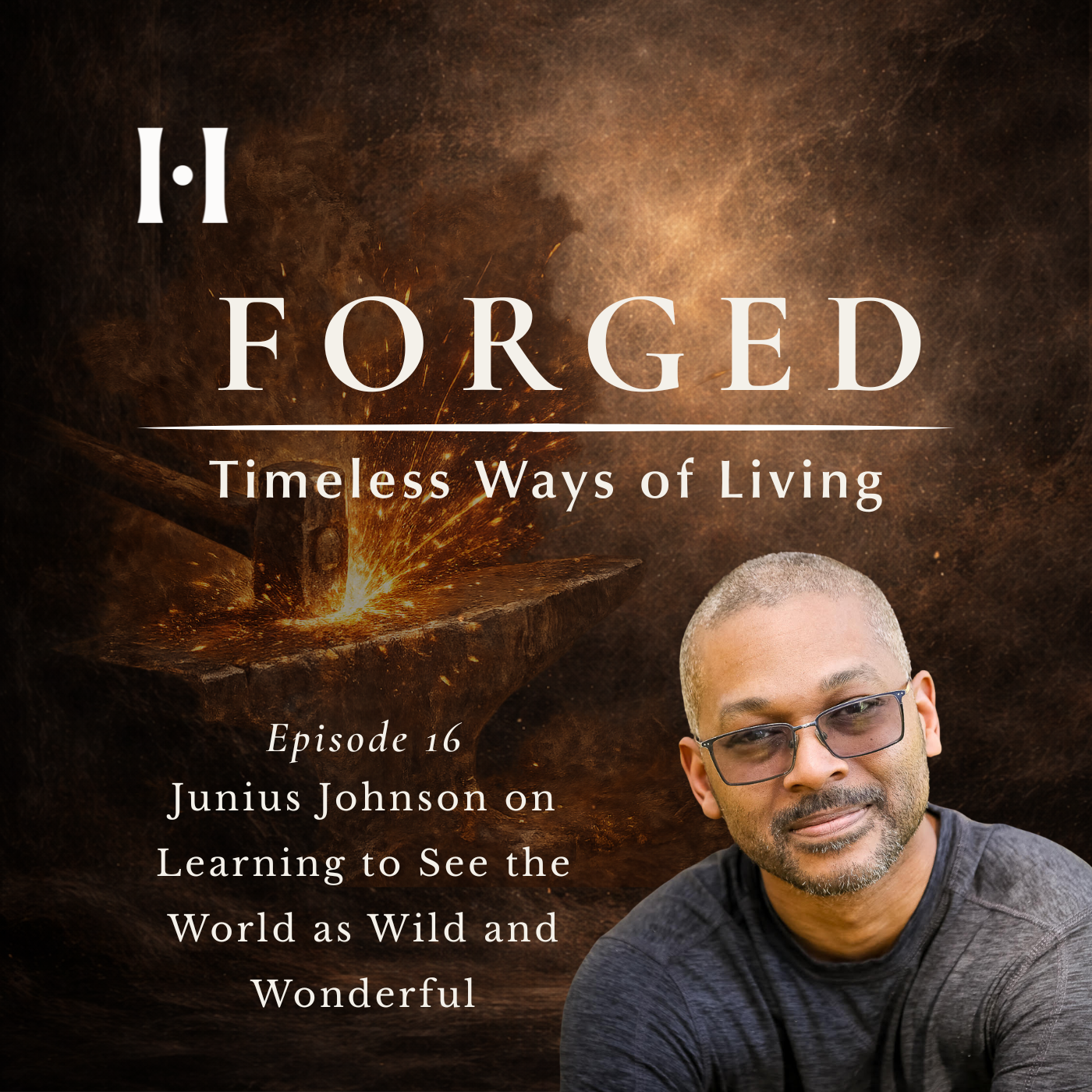
Forged: Timeless Ways of Living
Junius Johnson on Learning to See the World as Wild and Wonderful

How do fairy stories prepare children for a world of suffering, courage, beauty, and surprise? And what happens when adults lose the imagination to see rain, trees, music, and ordinary acts of making as anything more than useful resources? Dr. Junius Johnson joins Brian Williams to explore how fantasy gives us categories for facing real danger, recognizing evil, practicing courage, and remaining open to wonder. Drawing from Tolkien, C. S. Lewis, George MacDonald, The Neverending Story, and his own life as a musician and father, Junius argues that good stories do more than entertain us. They train our affections and help us become the kind of people who can enter the world with wisdom, desire, and hope. Their conversation moves from dragons and unicorns to grief, beauty, friendship, music, and the work of making. Along the way, Junius offers a practical invitation: read stories that enlarge your moral imagination, make something beautiful even when no one is watching, and resist the habit of calling the world “merely” ordinary.
Contributors

Guest
Junius Johnson
Junius Johnson is a writer, teacher, speaker, independent scholar, and musician. His work focuses on beauty, imagination, and wonder in the Christian and Classical intellectual traditions. He is the executive director of Junius Johnson Academics and holds a BA from Oral Roberts University (English Lit), an MAR from Yale Divinity School (Historical Theology), and an MA, two MPhils, and a PhD (Philosophical Theology) from Yale University. He is the author of 5 books and is a contributing writer for the Humanitas textbooks with Classical Academic Press. He is co-host of The Classical Mind, a podcast discussing the great books of the Western tradition.

Host
Dr. Brian Williams
Podcast Host and Contributing Writer
Brian A. Williams (DPhil, Oxon) is Dean of the Templeton Honors College, Professor of Ethics and Liberal Studies, and Co-Director of the MA in Classical Teaching at Eastern University in Philadelphia. He is the founding editor of Principia: A Journal of Classical Education, speaks internationally on classical education, and serves on several academic and educational boards, including the Classic Learning Test (CLT). Previously, he taught at Cair Paravel Latin School and the University of Oxford. Dr. Williams earned degrees in theology and Christian ethics from Regent College and the University of Oxford, and his research focuses on education and formation in the Christian Intellectual Tradition. Brian is a runner, art collector, and traveler, having visited over 40 countries, often in search of sites and cities of the ancient world. He is married to Kim, a visual artist and teacher, and has three children: Ilia, Brecon, and Maeve.
Related Resources

Not All ‘Classical’ Schools Are Created Equal
The most consequential differences are often the least obvious.
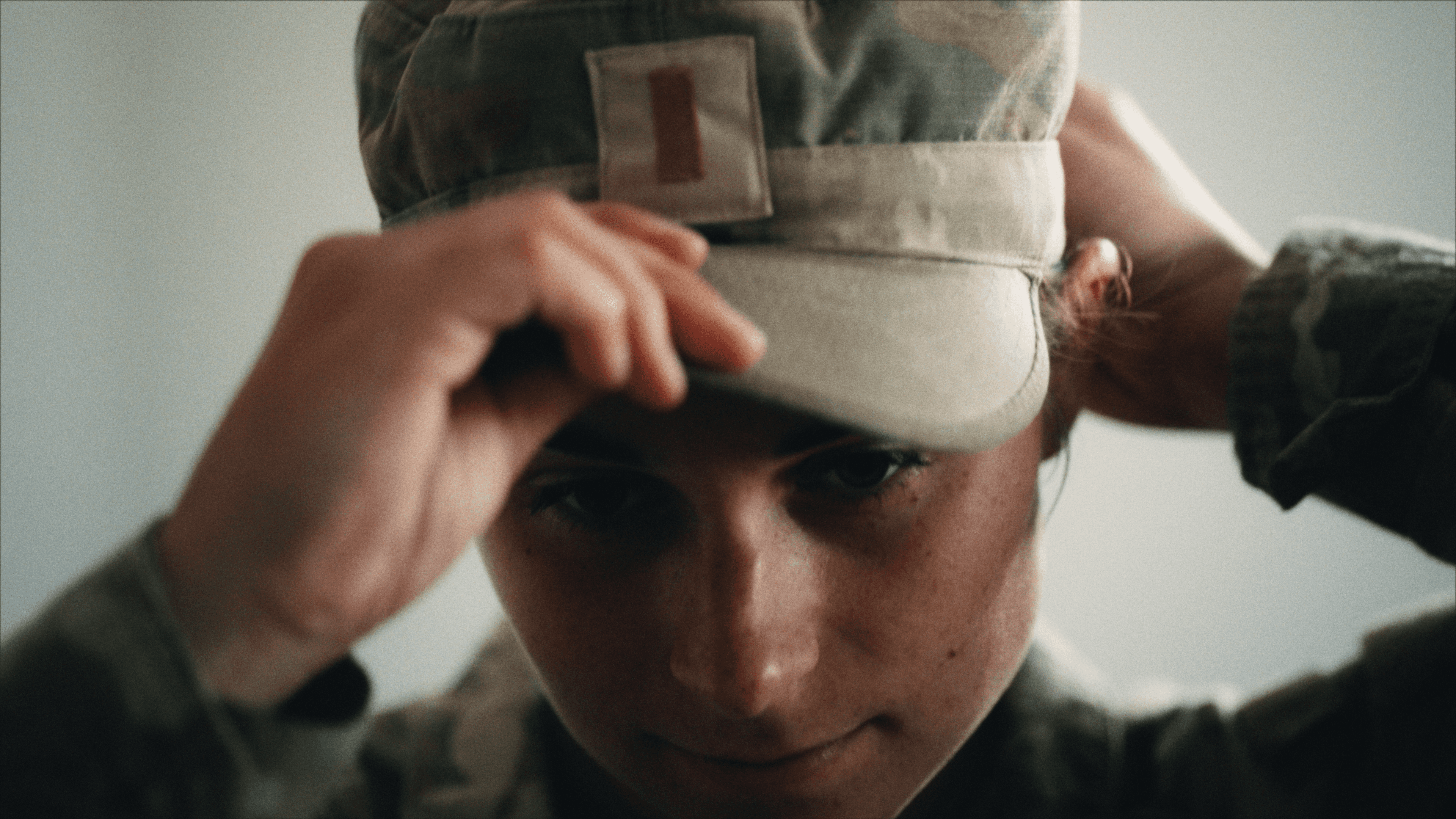
Something Bigger Than Myself
In Sarah’s words, her teachers taught her “how to know what’s right and how to do what’s right.” That is what we mean when we say a classical education prepares young people for real life.
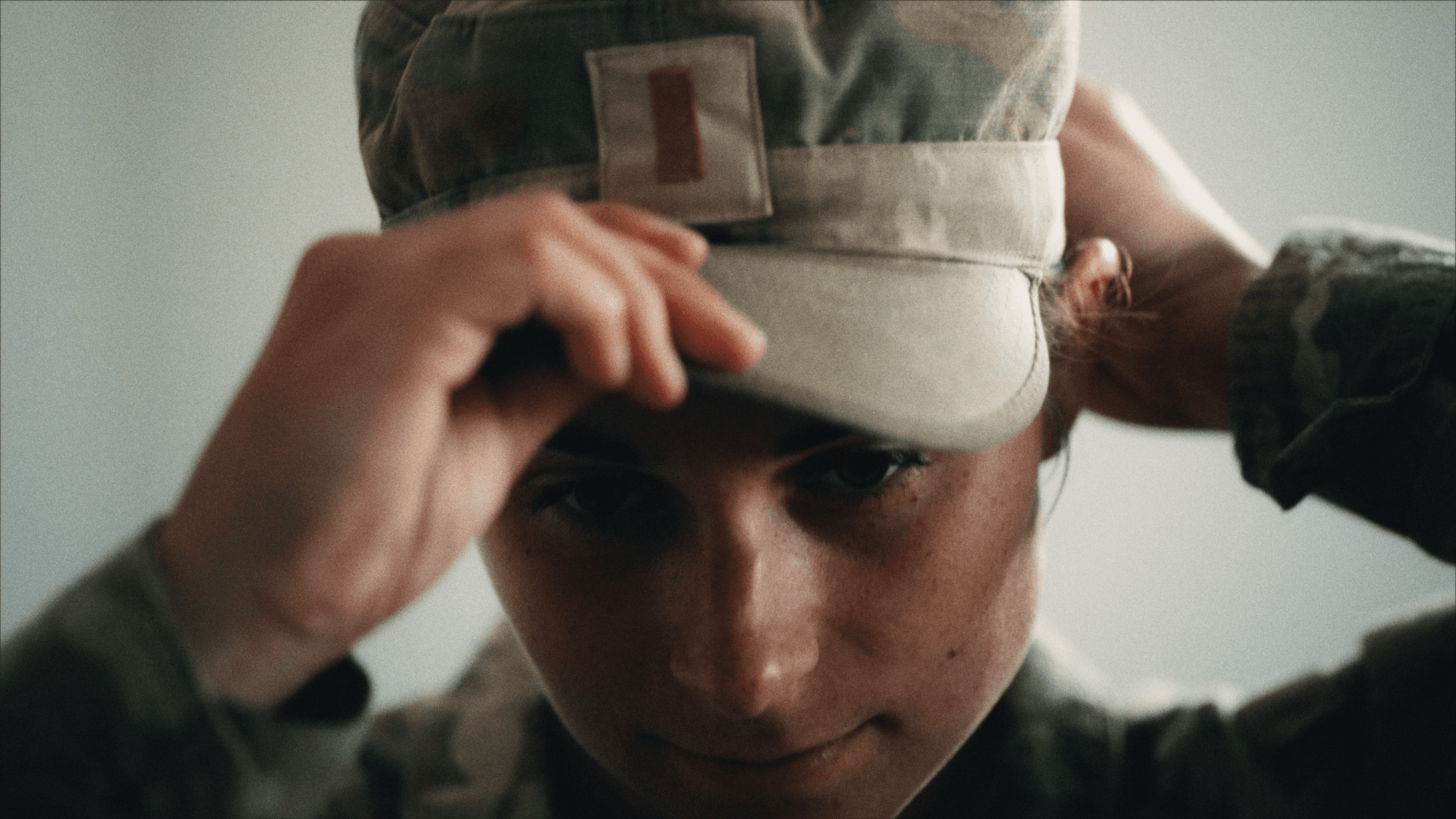
Grit, Loyalty, and Poetry: How Classical Education Shaped a Future Army Leader
One day at a classical school changed the course of her life.
In seventh grade, Sarah spent a single day shadowing at Jackson Hole Classical Academy. She says she learned more that day than in the seven years of school before it.
What followed was an education in great books, Latin, and poetry learned by heart, including Rudyard Kipling's "If-" Years later, when Sarah arrived at West Point to train as an Army officer, she found that same poem on the walls of the barracks.
Today, Sarah is a West Point graduate preparing to lead a platoon of soldiers. Her story shows what classical education is for: forming young people who know what's right, do what's right, and give of themselves in service to others.