Substack

What Does Athens Have to Do with Abuja?

Classical Christian education in Africa is not a cultural import or a luxury reserved for the materially secure. It is a humane education that equips students to think, speak, serve, and flourish within their own communities.

Karen J. Elliott photo By Karen J. Elliott

July 22, 2026

hero image

What Does Athens Have to Do with Abuja?

From Substack

This article was originally published on Substack

Subscribe to receive weekly insights from Karen J. Elliott on classical education, thoughtful parenting, and the formation of virtue—delivered directly to your inbox.

Read on Substack

Classical Christian education in Africa is not a cultural import or a luxury reserved for the materially secure. It is a humane education that equips students to think, speak, serve, and flourish within their own communities.

Karen J. Elliott photo

Karen J. Elliott

Executive Director, Rafiki Foundation, Inc.

Rafiki Executive Director Karen has served with Rafiki since 1990, including 12 years on the mission field, primarily in Nigeria. Upon returning to the U.S., she became the Director of Africa Operations, responsible for managing the Orphan Care and Education Programs and curriculum development for all ten Rafiki Villages. In 2012 she was named Rafiki's Executive Director. Prior to joining Rafiki, she worked for ten years in the banking industry as a commercial lender, management trainer, and Vice President. She holds a BBA in finance/accounting and a music minor from Southern Methodist University, a Master’s degree in Education (Curriculum and Instruction) from the University of Texas (Arlington), and is currently pursuing doctoral studies at Faulkner University. Karen served as a founding board member for LifeHouse, a home for unwed mothers in Houston, Texas. She also serves as President of the Rafiki Education Foundation, the umbrella organization of the Rafiki Classical Academy in Eustis, Florida. Her paper was published in The Consortium: A Journal of Classical Christian Education with an article entitled "What Does Athens have to do with Abuja?: Why a Christian Liberal Arts Education is Appropriate for and Essential to African Church Schools."

Related Resources

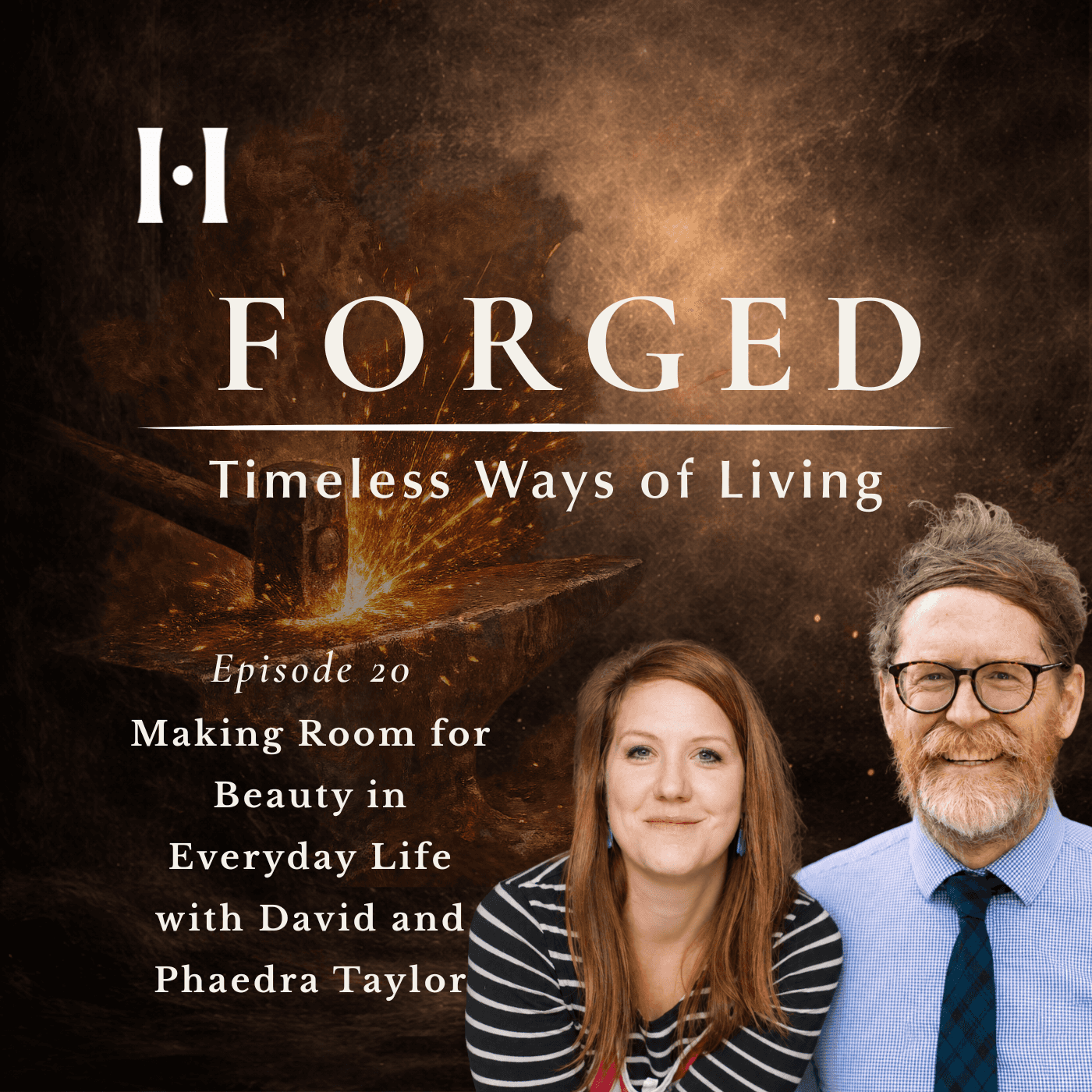
Podcast Making Room for Beauty in Everyday Life with David and Phaedra Taylor

October 19, 2026

Forged: Timeless Ways of Living


Making Room for Beauty in Everyday Life with David and Phaedra Taylor

What would change if we treated every part of our lives as worthy of prayer? And how might we learn to notice the beauty of the world when so much of modern life competes for our attention? On this episode of Forged, Brian Williams welcomes David and Phaedra Taylor for a conversation about prayer, art, family, and the habits that shape a meaningful life. They discuss their collaborative book Prayers for the Pilgrimage, the importance of making room for beauty in our homes, and the small decisions that help families resist the pull of digital distraction. Drawing on their experiences as artists, parents, and stewards of twenty-one acres of Texas prairie, the Taylors offer a thoughtful vision for living with greater attention, patience, and purpose. Along the way, David reflects on why artists are essential to human flourishing, while Phaedra shares what painting, motherhood, and restoring the land have taught her about creativity, limitation, and learning to let go of control.

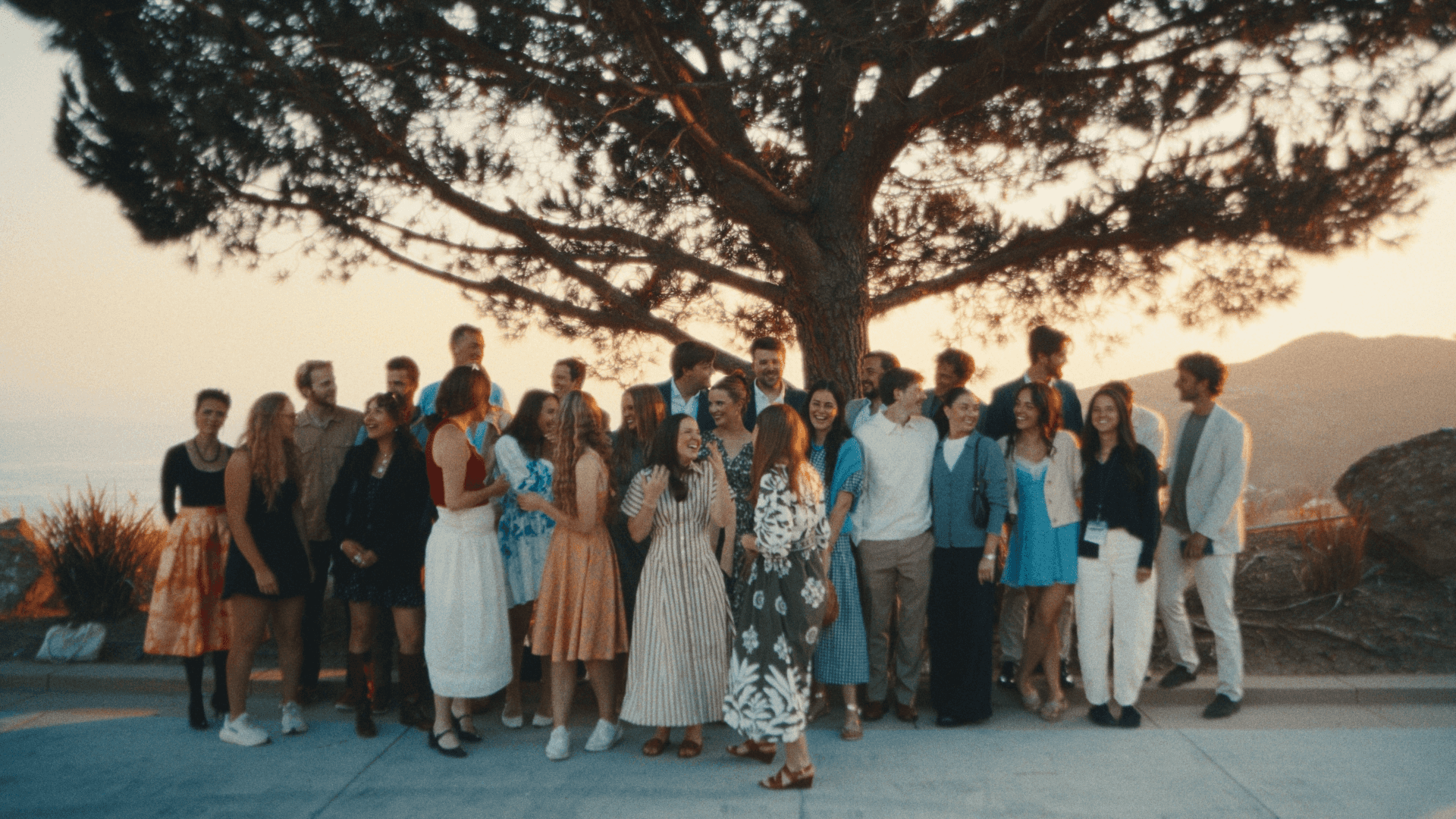
Video More Than a Résumé: Classical School Graduates on Who They’ve Become

October 15, 2026

Humanitas


More Than a Résumé: Classical School Graduates on Who They’ve Become

Classical school graduates reflect on who they’ve become and how their education formed them in mind, character, and a lifelong love of learning.

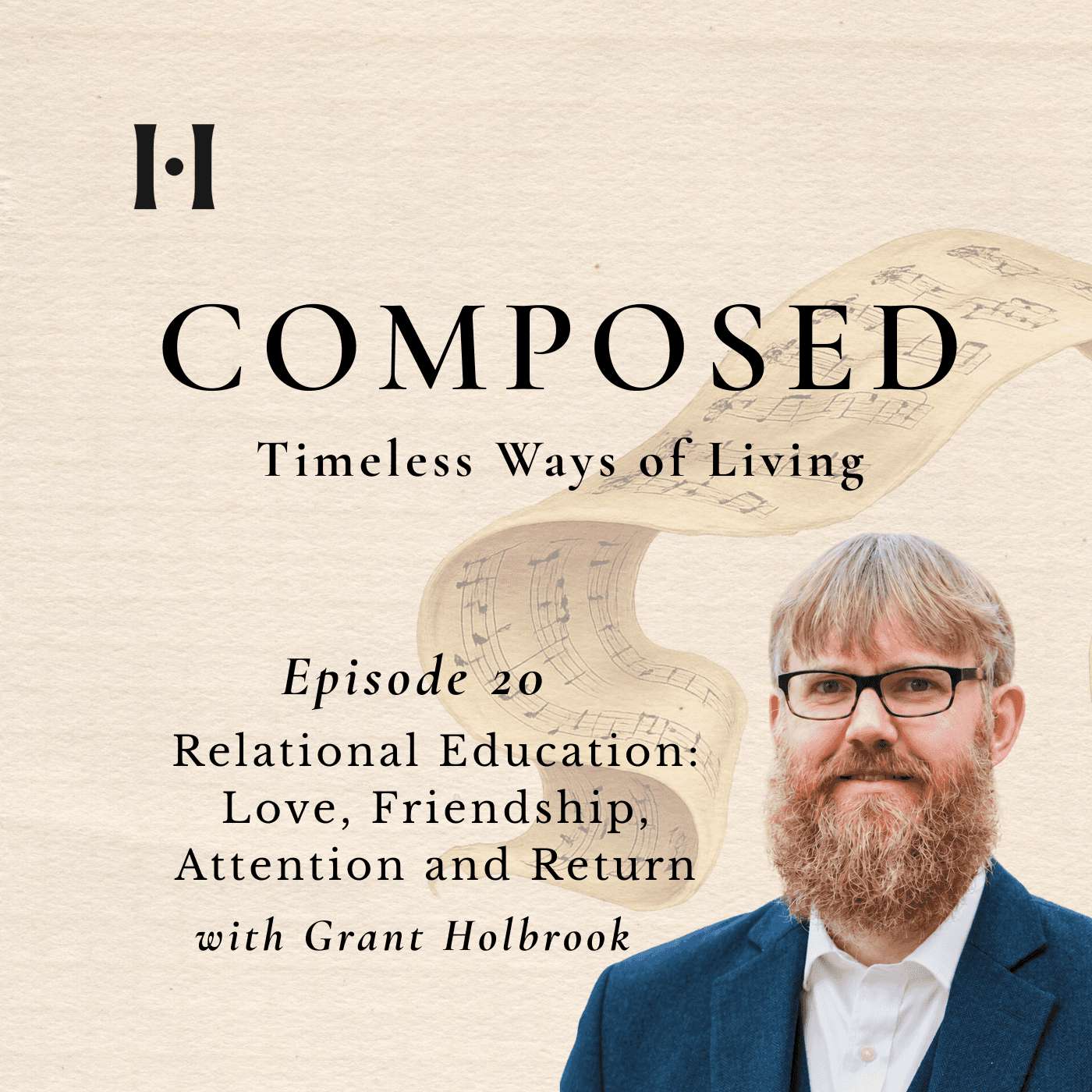
Podcast Relational Education: Love, Friendship, Attention and Return  with Grant Holbrook

October 12, 2026

Composed: Timeless Ways of Living


Relational Education: Love, Friendship, Attention and Return with Grant Holbrook

What if some of the most formative patterns in a life begin with simple obligations, reading the same book again, walking the dog each morning, showing up for students, or staying rooted in one place? Christine Perrin talks with teacher Grant Holbrook about the relationships and repeated practices that quietly shape a person over time. Their conversation moves through Augustine, the Psalms, friendship, beauty, teaching, and the connection between knowledge and love. Along the way, Grant considers why education is deeply relational, why older students need responsibilities to younger ones, and how good books can become lifelong companions. For parents and teachers wondering what habits truly help form a human being, this conversation offers a hopeful picture of a life shaped through attention, fidelity, and love. Grant also shares practical patterns from his own life, including memorizing the Psalms while walking his dog, rereading great books under the helpful pressure of obligation, and taking time with former students who return, to walk, talk, and continue learning.