News

Why classical education is gaining ground in St. Louis

From Latin drills and logic lessons to hands-on ceramics, local schools are embracing the ancient trivium to cultivate critical thinking, character, and a deeper love of learning.

Megan Rubenstein photo By Megan Rubenstein

March 20, 2026

hero image

Why classical education is gaining ground in St. Louis

St. Louis Magazine • Megan Rubenstein

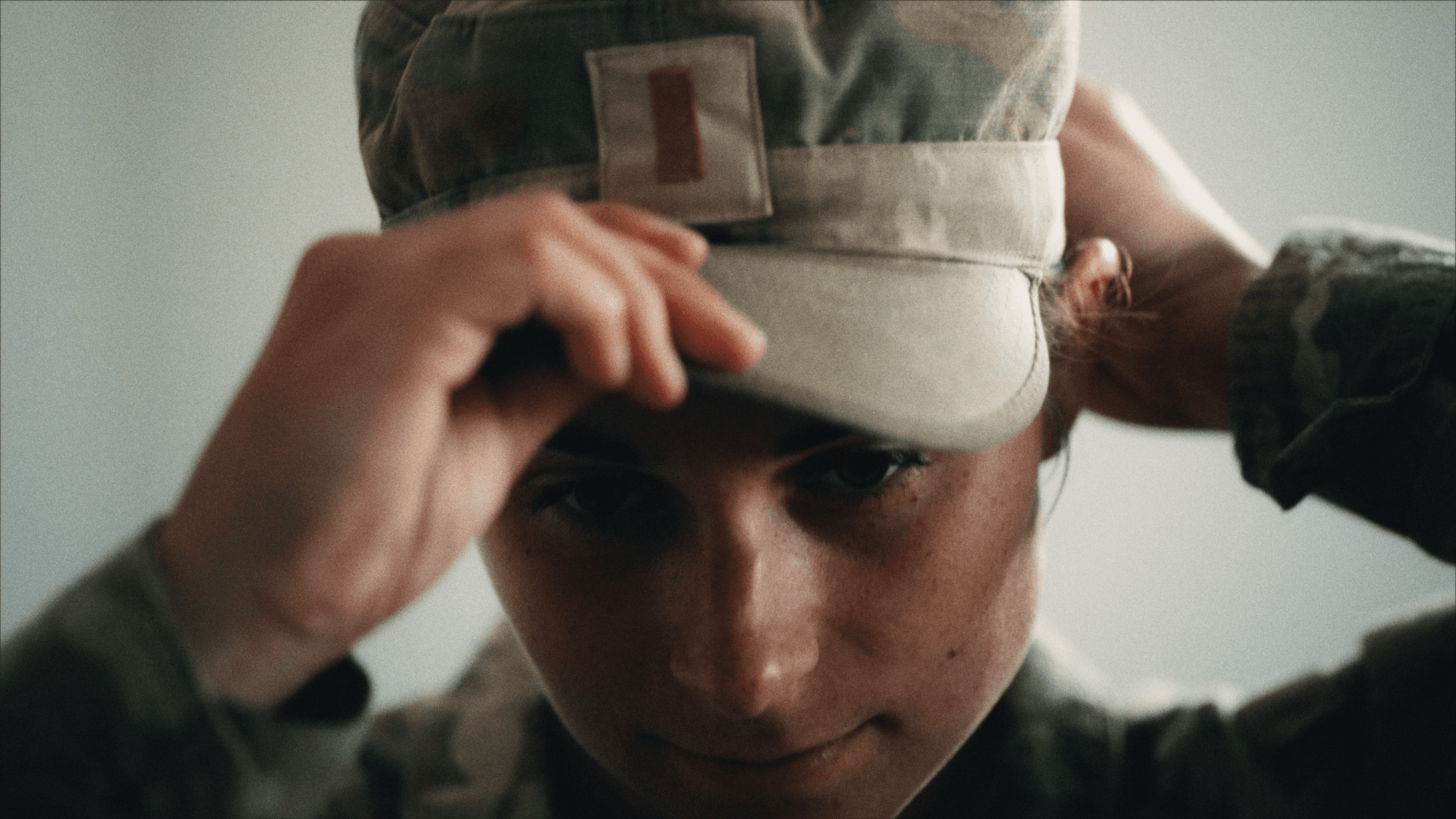
This St. Louis Magazine feature highlights the growing interest in classical education and the way schools are helping students build strong minds, confident voices, and lasting character through deep learning and thoughtful discussion. It also shows that this approach is about more than academics, blending rigorous subjects with hands-on experiences like ceramics and wellness practices that nurture the whole child. Families are seeking educational communities where children can grow in wisdom, wonder, and purpose.

Megan Rubenstein photo

Megan Rubenstein

St. Louis Magazine

Related Resources

Podcast Makers by Nature: Bruce Herman on Art, Beauty, and the Call to Create

May 04, 2026

Forged: Timeless Ways of Living


Makers by Nature: Bruce Herman on Art, Beauty, and the Call to Create

What is art for, and why does beauty awaken deep longings within us? In this conversation, Brian Williams joins artist, Bruce Herman, in his studio to explore the human calling to create, the role beauty plays in shaping the soul, and the discipline of learning to see. Herman argues that we are not merely consumers but makers by nature, and that art at its best is a form of hospitality that invites others into a meaningful encounter. Through stories of childhood wonder, reflections on modern art, and the language of longing, this episode offers a compelling vision of everyday creativity, from painting and poetry to spreadsheets and shared meals.

Podcast Fighting for the Real: Jeanne Schindler on Presence, Technology, and the Life We Share

April 27, 2026

Composed: Timeless Ways of Living


Fighting for the Real: Jeanne Schindler on Presence, Technology, and the Life We Share

What does it take to remain fully human in an age of distraction? In this conversation, Christine Perrin speaks with Dr. Jeanne Schindler about attention, technology, homeschooling, civic life, and the quiet disciplines that help us fight for what is real. Together they consider how modern devices flatten experience, weaken our sense of place, and make presence harder to practice, while also pointing toward a better way, one rooted in community life, embodied friendship, serious thought, and shared public spaces. This is a conversation about recovering the habits that make a human life deep, relational, and truly lived. Drawing from her own intellectual formation, Dr. Schindler reflects on childhood influences, her shift from history to political theory, her decision to leave tenure and devote herself more fully to home and family, and the rewards of lifelong learning through homeschooling. She and Christine also explore AI, the limits of technology, the strain placed on civic discourse, and why restlessness should not always be medicated by screens, but instead received as a summons to seek truth, communion, and a richer form of life.

Podcast Patterns That Make Us Alive: Timothy Patitsas on Beauty, Learning, and Home

April 13, 2026

Composed: Timeless Ways of Living


Patterns That Make Us Alive: Timothy Patitsas on Beauty, Learning, and Home

What makes a place, a school, or a daily life feel truly human? In this conversation, Christine Perrin and Timothy Patitsas explore beauty first living, the “quality without a name” described by Christopher Alexander, and the patterns that help people feel at home, at ease, and fully alive. Together they consider paper routes, classrooms, liturgical seasons, friendship, motherhood, teaching, and the built world, asking how living patterns form the soul and why beauty is not an ornament to life but one of its deepest truths. This episode is an invitation to notice the forms of life that nourish wonder, awaken desire for the good, and help us belong more deeply to the world. Their conversation moves from childhood memory to architecture, pedagogy, eros, ritual, and community. Along the way, Timothy reflects on the difference between potent information and quality information, the role of stories in shaping desire, and the kinds of educational practices that help students encounter truth not only analytically, but with their whole persons.