News

The Benefits of an Afternoon at the Art Museum

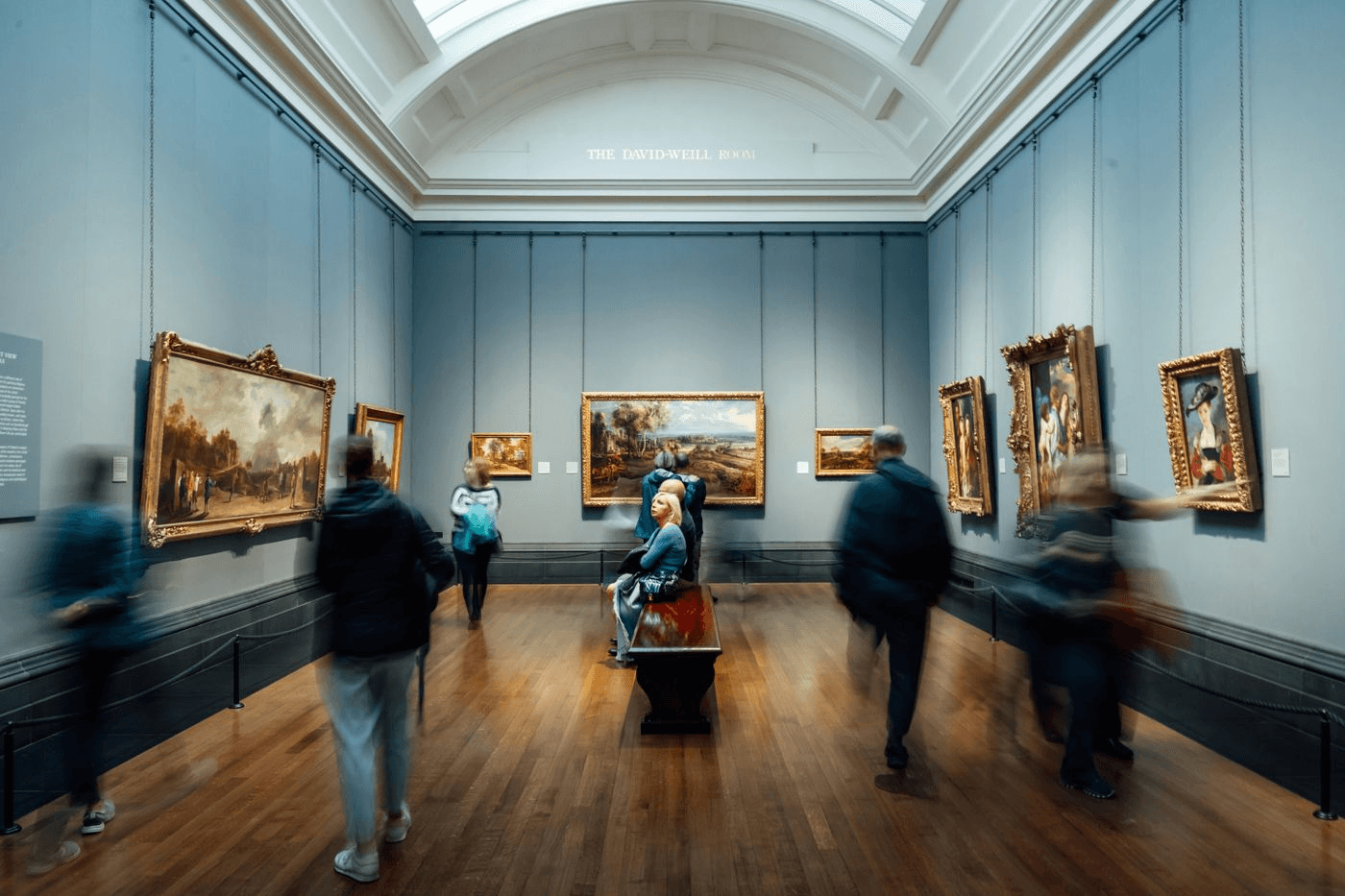
Educators and psychologists have long recognized the benefits of art creation as part of a child’s education. But simply spending time among great works of art can be even more rewarding. That’s why I invite you to skip the pool or park one Saturday afternoon and take your kids to an art museum instead.

Beth Herman photo By Beth Herman

May 31, 2026

hero image

The Benefits of an Afternoon at the Art Museum

Real Clear Education • Beth Herman

An afternoon at the art museum can do more than fill a weekend—it can train a child to slow down, look closely, and receive beauty with attention. Drawing on Charlotte Mason’s vision of a “well-stocked visual imagination,” this piece reminds parents that great art is not an enrichment extra, but a quiet and powerful part of formation: awakening wonder, deepening perception, and giving children images that can nourish thought and imagination for a lifetime.

Beth Herman photo

Beth Herman

Real Clear Education

Related Resources

Podcast Festival as a Way of Life: Father Nathan Carr on Joy, Time, and Christian Formation

June 01, 2026

Forged: Timeless Ways of Living


Festival as a Way of Life: Father Nathan Carr on Joy, Time, and Christian Formation

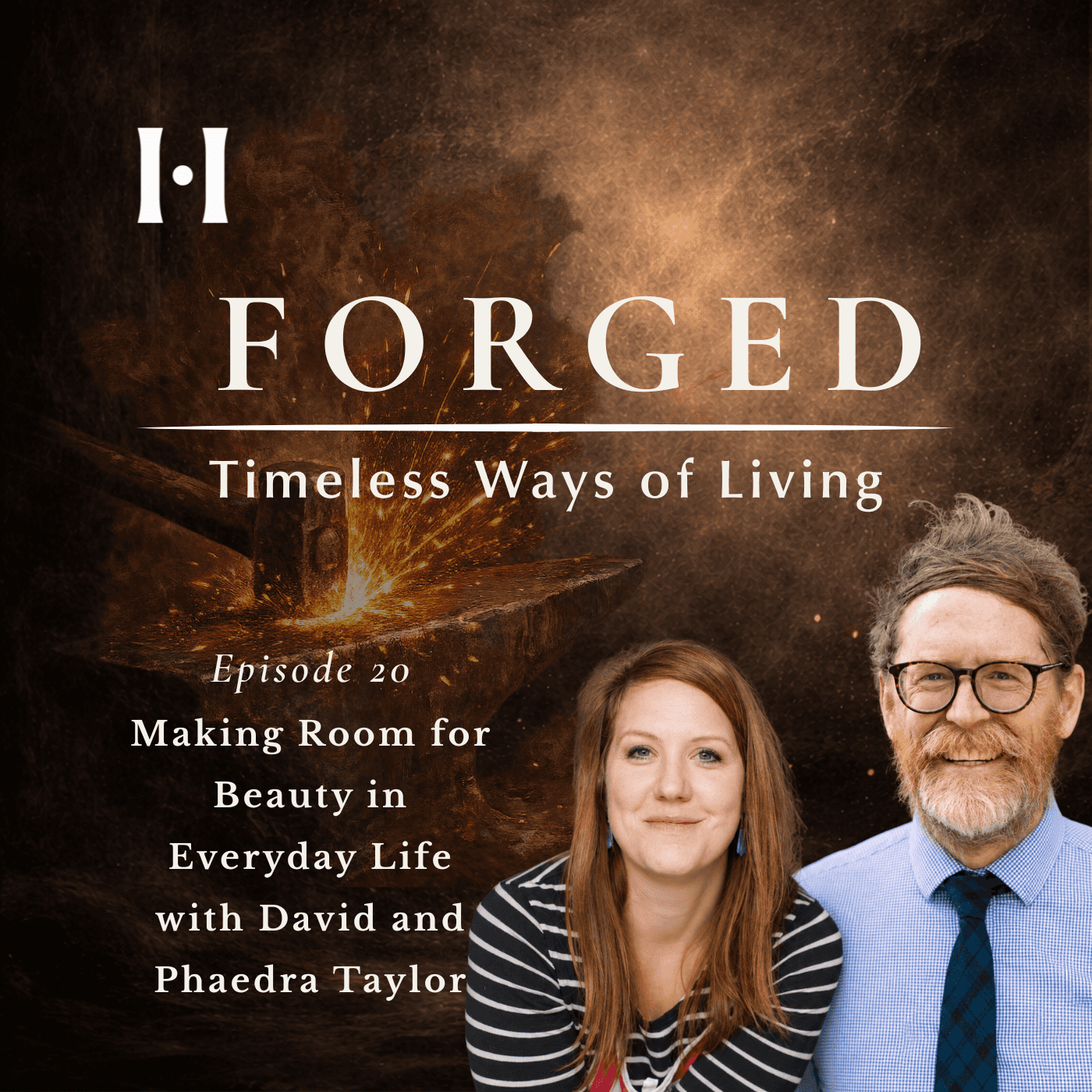
What would it mean to practice festival at home, in school, and in church? In this episode of Forged, Brian Williams speaks with Father Nathan Carr about the posture and practice of festival as a way of living with joy, gratitude, and holy attention in the midst of ordinary time. Drawing from his work as priest, headmaster, husband, father, and author of Festive School, Carr reflects on Christian calendars, prayer books, school feasts, household rituals, and the slow formation of children who learn not merely to observe the good, but to receive and name it. This conversation is an invitation to recover joy as discipline, delight as formation, and celebration as a serious part of Christian life. Together, Brian and Father Carr consider how homes, schools, and churches can resist anxiety, urgency, cynicism, and suspicion by learning to inhabit time differently. From Benedictine hours and red-letter feast days to hidden Wise Men during Advent and children serving in the liturgy, this episode explores the small, concrete practices that teach us to see the world as gift.

Podcast The Harmony of the Parts: on Beauty, Place, and Belonging

May 29, 2026

Forged and Composed: Timeless Ways of Living


The Harmony of the Parts: on Beauty, Place, and Belonging

What does beauty have to do with the spaces where we learn, teach, worship, and gather? In this shared bonus episode of Composed and Forged, Christine Perrin speaks with Brian Williams about Templeton Hall, the home of the Templeton Honors College, and the deep work of making a place that feels whole, hospitable, and human. Their conversation moves from architecture and furniture to poetry, asking how beauty forms us before we can fully explain what it has done. This is an episode about attention, creation, community, and the grace of places that help us to belong and to overcome the rootlessness of our times. Brian reflects on the making of Templeton Hall at Eastern University as an act of stewardship, one that honors the old while creating room for students and faculty to dwell together in the pursuit of the true, the good, the beautiful. Christine and Brian consider why beauty is not a luxury, why material places matter to Christian formation, and how the experience of a beautiful space creates harmony. The episode closes fittingly with Hopkins’s “Pied Beauty,” a poem of praise for the dappled, particular, and creaturely world.

Podcast Living Inside Language with Annie Kantar Ben-Hillel

May 25, 2026

Composed: Timeless Ways of Living


Living Inside Language with Annie Kantar Ben-Hillel

What does it mean to compose a life through Sabbath rest, faithful work, and the patient practice of language? In this episode of Composed, Christine Perrin speaks with Annie Kantar Ben-Hillel, a poet, translator, teacher, and director of the English program at Shalem College in Jerusalem, about the patterns that have shaped her life as a mother, writer, citizen, and friend. Their conversation moves from a childhood formed by trust and moral responsibility, to the weekly reset of Shabbat, to the strange and beautiful labor of translating the Book of Job. Along the way, Annie reflects on Hebrew, Palestinian Arabic, friendship across fracture, and the need to remain questioning without becoming cynical. The conversation also touches on Natalia Ginzburg’s “The Little Virtues,” Stefan Zweig’s The World of Yesterday, the Ethics of the Fathers, and the enduring hope that virtues can persist even in periods of historical grief and uncertainty.