The $10 Billion Rise Of Classical Christian Education
A 2,500-year-old educational approach is quietly disrupting the $750 billion K-12 education market.

April 08, 2026
A 2,500-year-old educational approach is quietly disrupting the $750 billion K-12 education market.
April 08, 2026

The $10 Billion Rise Of Classical Christian Education
Forbes • Sarah Hernholm
Classical Christian education is no longer a small countercurrent; it is becoming a visible force in the American school landscape, with hundreds of thousands of students and growing attention from parents, educators, and even investors. This Forbes piece frames that rise in market terms, but beneath the numbers is a deeper question: why are so many families searching again for an education ordered toward wisdom, virtue, and lasting human formation? At Humanitas Institute, we think that search reflects a growing recognition that children need more than academic performance; they need schools that help them love what is true, good, and beautiful.

Forbes
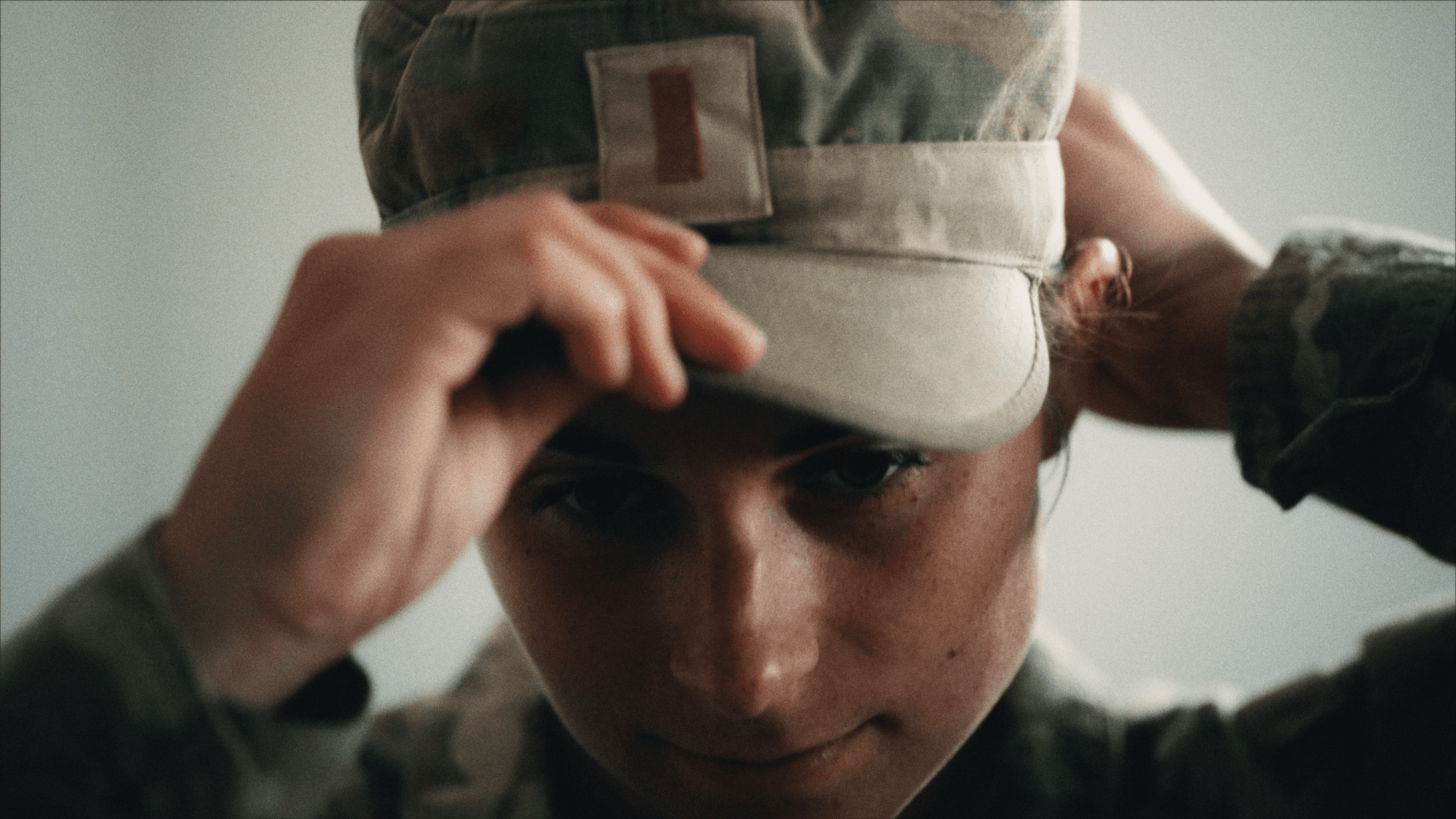
One day at a classical school changed the course of her life.
In seventh grade, Sarah spent a single day shadowing at Jackson Hole Classical Academy. She says she learned more that day than in the seven years of school before it.
What followed was an education in great books, Latin, and poetry learned by heart, including Rudyard Kipling's "If-" Years later, when Sarah arrived at West Point to train as an Army officer, she found that same poem on the walls of the barracks.
Today, Sarah is a West Point graduate preparing to lead a platoon of soldiers. Her story shows what classical education is for: forming young people who know what's right, do what's right, and give of themselves in service to others.
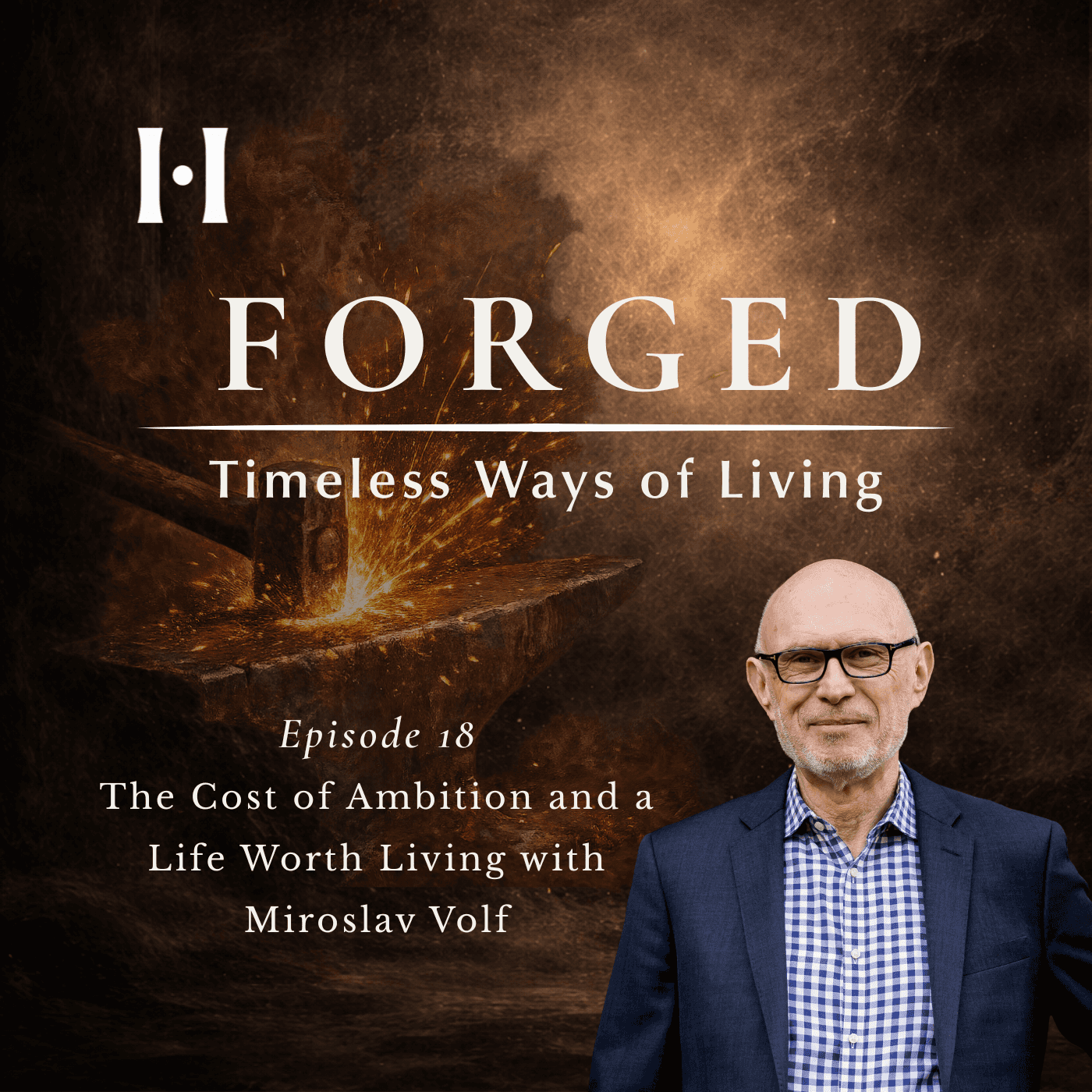
What happens when your sense of worth depends on being better than the people around you? And what changes when you stop asking how you rank and start asking what kind of life is actually worth living? Brian Williams talks with theologian Miroslav Volf about the difference between excellence and superiority, the fragility of a self built on achievement, and the possibility of receiving our lives as gifts rather than projects of endless comparison. Drawing on Life Worth Living and The Cost of Ambition, they consider education, vocation, place, gratitude, contentment, and the communities that help us discern what we are for. Listen for a hopeful account of how we can pursue meaningful work and genuine excellence without making success the measure of our worth. Along the way, Volf reflects on growing up in Yugoslavia as the son of a Pentecostal minister, discerning his calling as a theologian, the disciplines and delights that sustain his ordinary life, and the writers who have helped him think about contentment, vocation, and hope.
_ZjunIz.png)
What if a flourishing family life depends less on doing more and more on recovering rhythms of work, rest, attention, and belonging? Christine Perrin talks with Dr. Kerry Hasler-Brooks about the life she and her family have built on a small Pennsylvania farm, where agricultural seasons make limits, dependence, and renewal impossible to ignore. Their conversation explores how parents can create room for boredom, Sabbath, reading, meaningful work, and life together, even without radically rearranging their circumstances. Kerry also reflects on technology, simplicity, literature, and the formative power of returning to the same places and texts over time. For families feeling crowded by schedules and competing demands, this conversation offers a hopeful vision of choosing what to value and making space to live accordingly. Along the way, Kerry considers the sustaining power of literature, from Zora Neale Hurston to Emily Dickinson, and the way reading can help us attend more deeply to ourselves, one another, the natural world, and God. Her reflections suggest that formation often happens through ordinary practices repeated faithfully: walking the same ground, rereading a beloved poem, sharing work with children, welcoming others, and protecting stretches of time in which nothing has been planned.