News

Teaching Students the Way the Founders Learned: Classical Education Makes a Comeback

The way children learn in American public schools has changed a lot over the last 250 years. Methods practiced in today's classrooms are a far cry from those taught to our founders. However, that could be shifting as classical education makes a comeback.

Jennifer Wishon photo By Jennifer Wishon

April 08, 2026

hero image

Teaching Students the Way the Founders Learned: Classical Education Makes a Comeback

CBN • Jennifer Wishon

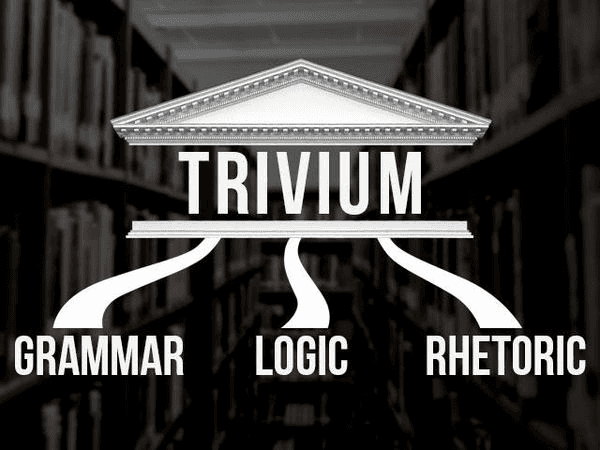
Something deeper than a curriculum trend is coming back into view: the conviction that education should form not only competent workers, but articulate, thoughtful, virtuous human beings. This piece highlights the growing appeal of classical education as families seek an approach ordered toward truth, goodness, beauty, and the habits of mind that help children speak well, reason clearly, and live wisely.

Jennifer Wishon photo

Jennifer Wishon

CBN

Related Resources

Podcast The Harmony of the Parts: on Beauty, Place, and Belonging

May 29, 2026

Forged and Composed: Timeless Ways of Living


The Harmony of the Parts: on Beauty, Place, and Belonging

What does beauty have to do with the spaces where we learn, teach, worship, and gather? In this shared bonus episode of Composed and Forged, Christine Perrin speaks with Brian Williams about Templeton Hall, the home of the Templeton Honors College, and the deep work of making a place that feels whole, hospitable, and human. Their conversation moves from architecture and furniture to poetry, asking how beauty forms us before we can fully explain what it has done. This is an episode about attention, creation, community, and the grace of places that help us to belong and to overcome the rootlessness of our times. Brian reflects on the making of Templeton Hall at Eastern University as an act of stewardship, one that honors the old while creating room for students and faculty to dwell together in the pursuit of the true, the good, the beautiful. Christine and Brian consider why beauty is not a luxury, why material places matter to Christian formation, and how the experience of a beautiful space creates harmony. The episode closes fittingly with Hopkins’s “Pied Beauty,” a poem of praise for the dappled, particular, and creaturely world.

Podcast Living Inside Language with Annie Kantar Ben-Hillel

May 25, 2026

Composed: Timeless Ways of Living


Living Inside Language with Annie Kantar Ben-Hillel

What does it mean to compose a life through Sabbath rest, faithful work, and the patient practice of language? In this episode of Composed, Christine Perrin speaks with Annie Kantar Ben-Hillel, a poet, translator, teacher, and director of the English program at Shalem College in Jerusalem, about the patterns that have shaped her life as a mother, writer, citizen, and friend. Their conversation moves from a childhood formed by trust and moral responsibility, to the weekly reset of Shabbat, to the strange and beautiful labor of translating the Book of Job. Along the way, Annie reflects on Hebrew, Palestinian Arabic, friendship across fracture, and the need to remain questioning without becoming cynical. The conversation also touches on Natalia Ginzburg’s “The Little Virtues,” Stefan Zweig’s The World of Yesterday, the Ethics of the Fathers, and the enduring hope that virtues can persist even in periods of historical grief and uncertainty.

Podcast Sara Hall on the Love of the Grind

May 18, 2026

Forged: Timeless Ways of Living


Sara Hall on the Love of the Grind

What does distance running teach us about the body, failure, and the long work of becoming whole? In this episode of Forged, Brian Williams speaks with American distance running legend Sara Hall about the discipline and delight of a life spent running, competing, recovering, parenting, and learning to receive her identity from God rather than performance. On her 43rd birthday, Sara reflects on more than twenty-five years in elite running, the injuries and disappointments that reshaped her, the joy of competition when it is rightly ordered, and the deeper love that has sustained her through the grind. The conversation also turns toward family, marriage, adoption, Ethiopia, and the work Sara and Ryan Hall have pursued through the Hall Steps Foundation. Sara offers a grounded picture of vocation in motion: a life shaped by training, service, sleep, dinner around the table, and the steady grace of being loved apart from achievement.