Dr. Toyin Atolagbe to join the Humanitas Institute
Please join us in welcoming Dr. Atolagbe to the team!

May 14, 2026
Please join us in welcoming Dr. Atolagbe to the team!
May 14, 2026
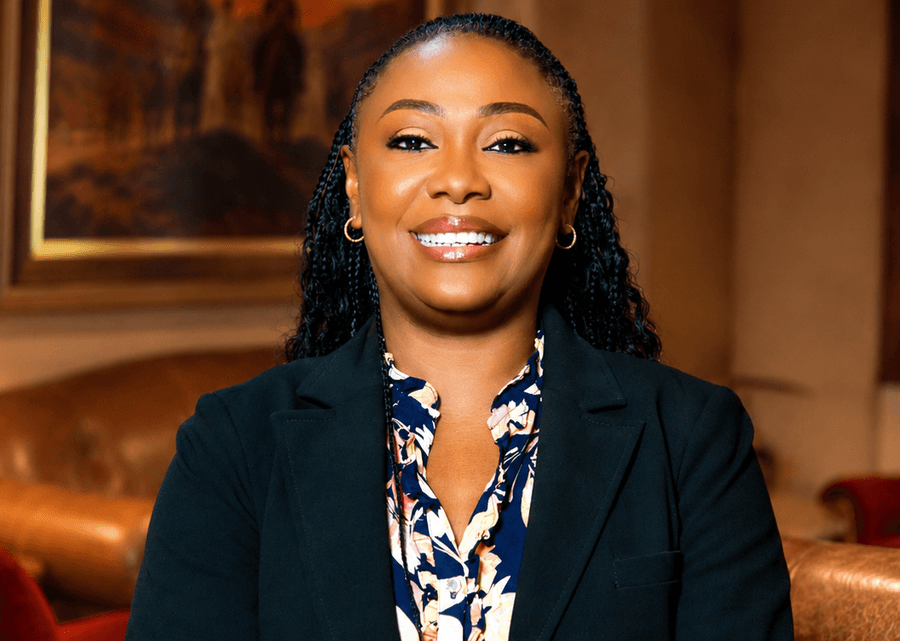
Dr. Toyin Atolagbe to join the Humanitas Institute
We are honored and deeply grateful to welcome Dr. Toyin Atolagbe to the Humanitas Institute as Director of Parent and Educator Relations.
One of the central pillars of our mission is to ignite greater awareness and understanding of classical education. Dr. Atolagbe brings exceptional leadership, wisdom, and a demonstrated record of success in guiding parents and educators in the formation of children within the rich tradition of classical Christian education. Through her years in school leadership, most recently as the Executive Director of Great Hearts Christian Academies, she built thriving school communities marked by excellence, strong parent partnerships, and flourishing faculty.
Growing up in Nigeria, the classical education she received was not simply a gift from her school; it was the fruit of her parents’ deliberate conviction that such a formation was the finest preparation they could offer their children. As the co-founder of the Agape International School in Nigeria, Dr. Atolagbe carries this legacy forward. Her life and work are a powerful testament that this form of education transcends time and place.
In her role as Director of Parent and Educator Relations, Dr. Atolagbe will support and guide families exploring classical education, cultivate meaningful relationships with educators and school leaders, and contribute to the storytelling and community-building efforts that advance the mission of the Humanitas Institute. We are grateful for the experience and vision she brings to this work and look forward to the many ways her leadership will strengthen and further the renewal of classical education.
Please join us in warmly welcoming Dr. Toyin Atolagbe to the Humanitas Institute.

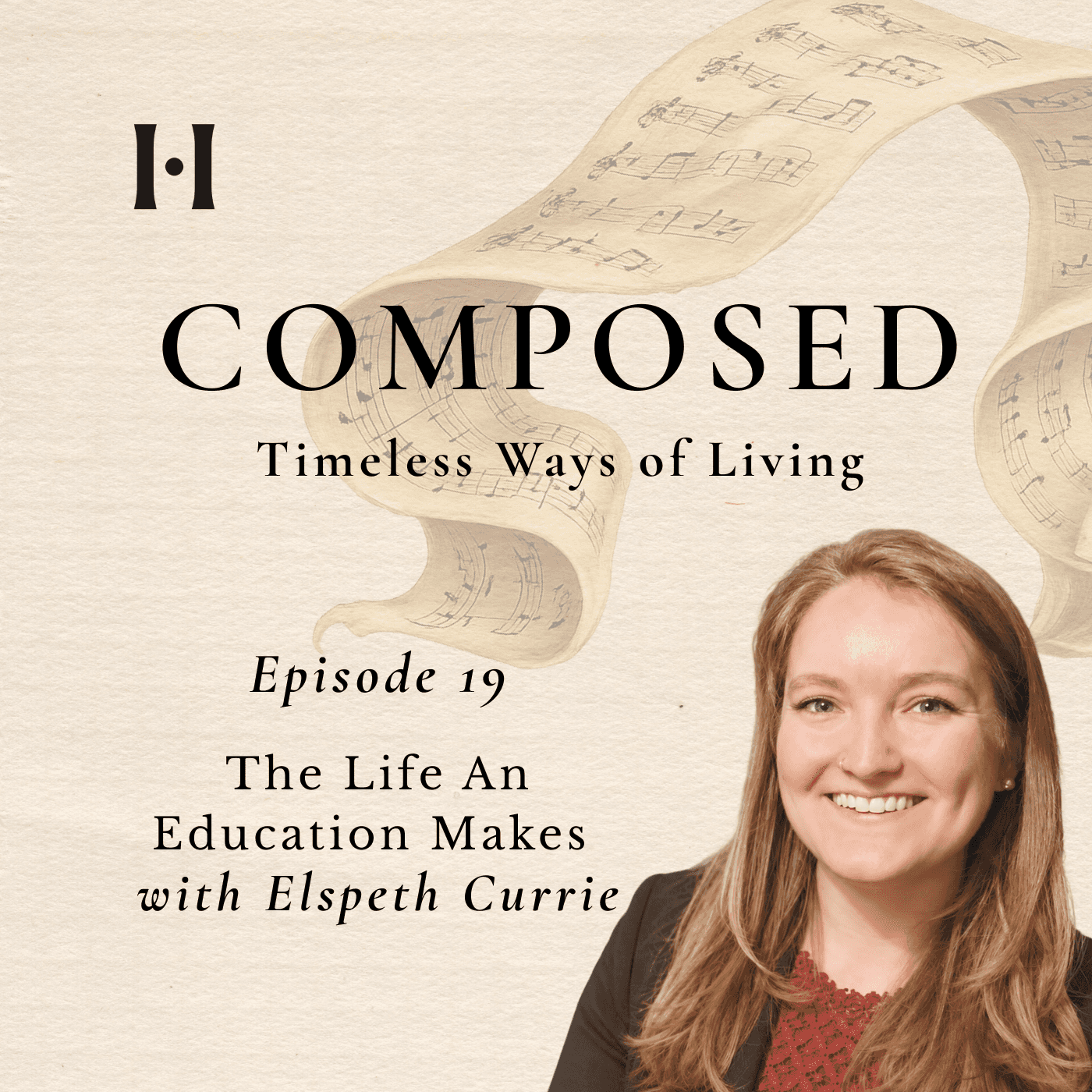
What if the books you read at sixteen, the habits you formed in a classroom, or the things you learned simply because they were beautiful were never meant to “pay off” only in a career? Christine Perrin talks with historian Elspeth Currie about education as lifelong formation, and about the ways learning can shape motherhood, family culture, work, and our capacity for attention and enjoyment. Drawing on Currie’s research into educated women in Renaissance England, they explore why learning matters even when its effects cannot be measured, how good books and thoughtful teachers shape us over time, and why practices like reading aloud, Sabbath rest, community, and celebration can keep us from simply drifting through family life. It is a conversation that recognizes the good work that might already be unfolding in ordinary life.
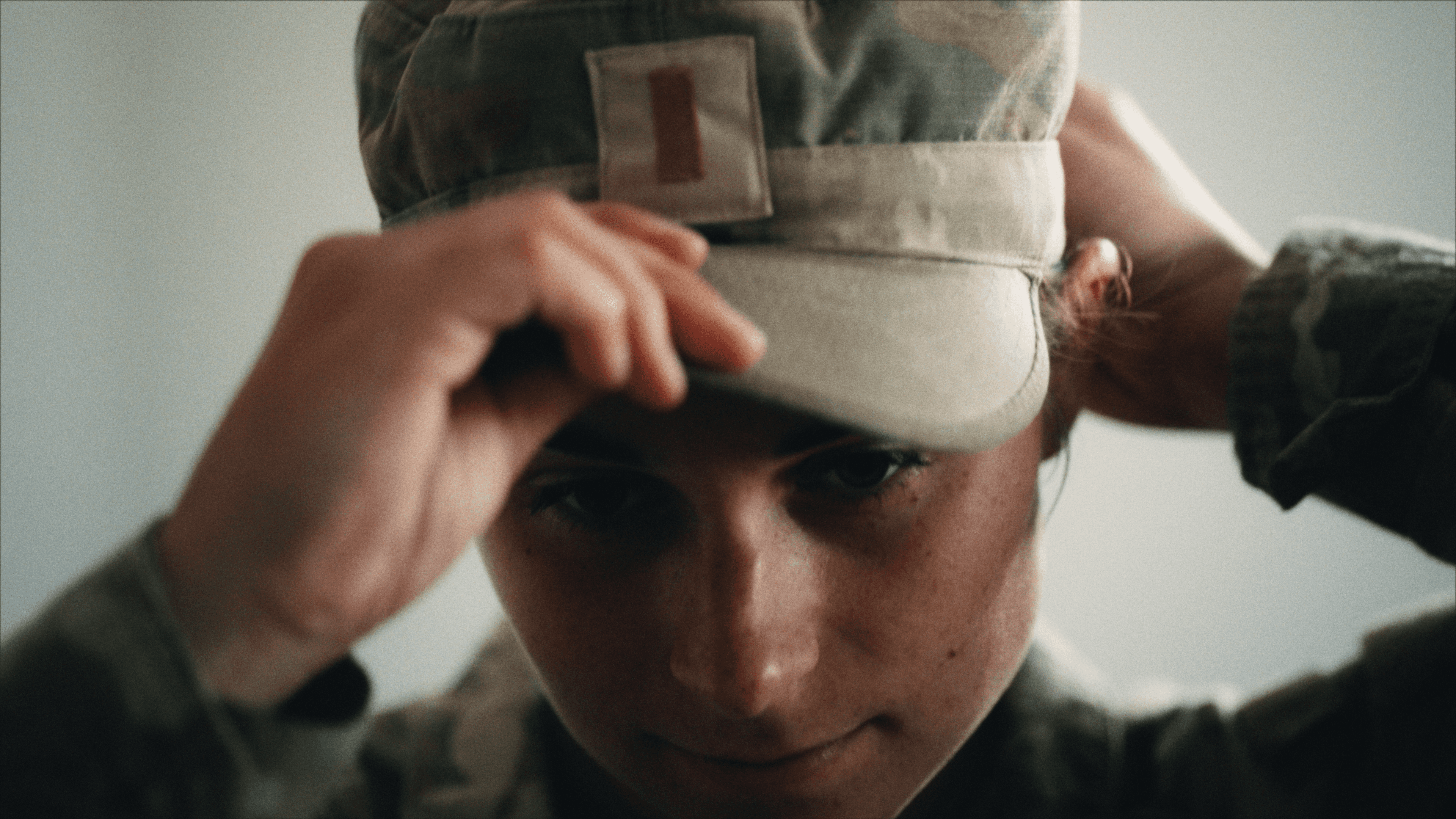
In Sarah’s words, her teachers taught her “how to know what’s right and how to do what’s right.” That is what we mean when we say a classical education prepares young people for real life.
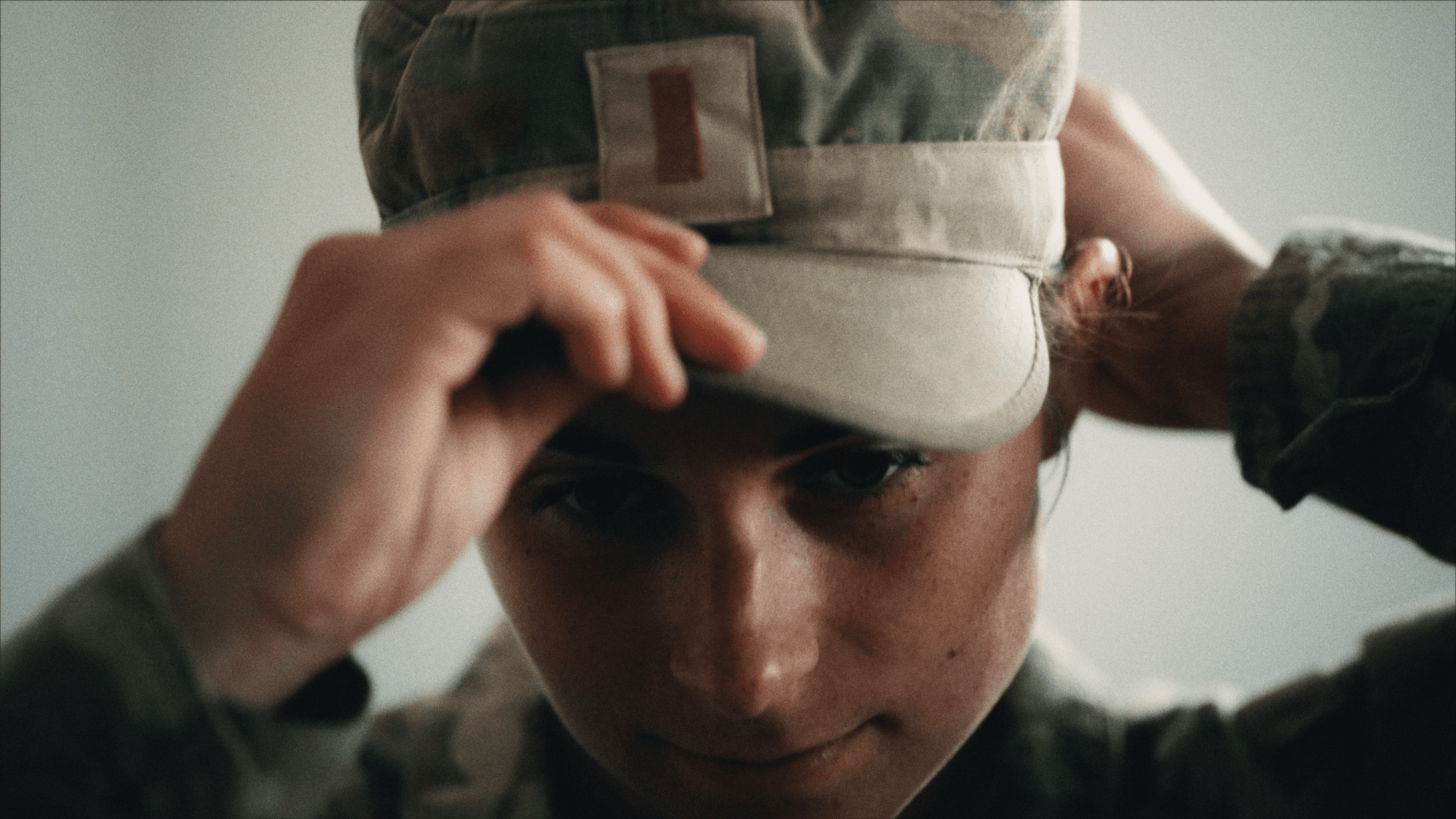
One day at a classical school changed the course of her life.
In seventh grade, Sarah spent a single day shadowing at Jackson Hole Classical Academy. She says she learned more that day than in the seven years of school before it.
What followed was an education in great books, Latin, and poetry learned by heart, including Rudyard Kipling's "If-" Years later, when Sarah arrived at West Point to train as an Army officer, she found that same poem on the walls of the barracks.
Today, Sarah is a West Point graduate preparing to lead a platoon of soldiers. Her story shows what classical education is for: forming young people who know what's right, do what's right, and give of themselves in service to others.