A Classical Revival Puts Education at a Crossroads
One college entrance exam is challenging the norm.

April 15, 2026
One college entrance exam is challenging the norm.
April 15, 2026

A Classical Revival Puts Education at a Crossroads
Liberty Nation News • Corey Smith
What begins as a debate over college admissions tests is quickly becoming something much larger: a renewed public argument over whether education should train students merely for careers or form them for wisdom, virtue, and thoughtful citizenship. As the CLT gains ground with universities, service academies, and families looking for something deeper, this piece highlights why the recovery of a more humane and demanding vision of learning matters well beyond the classroom.

Liberty Nation News
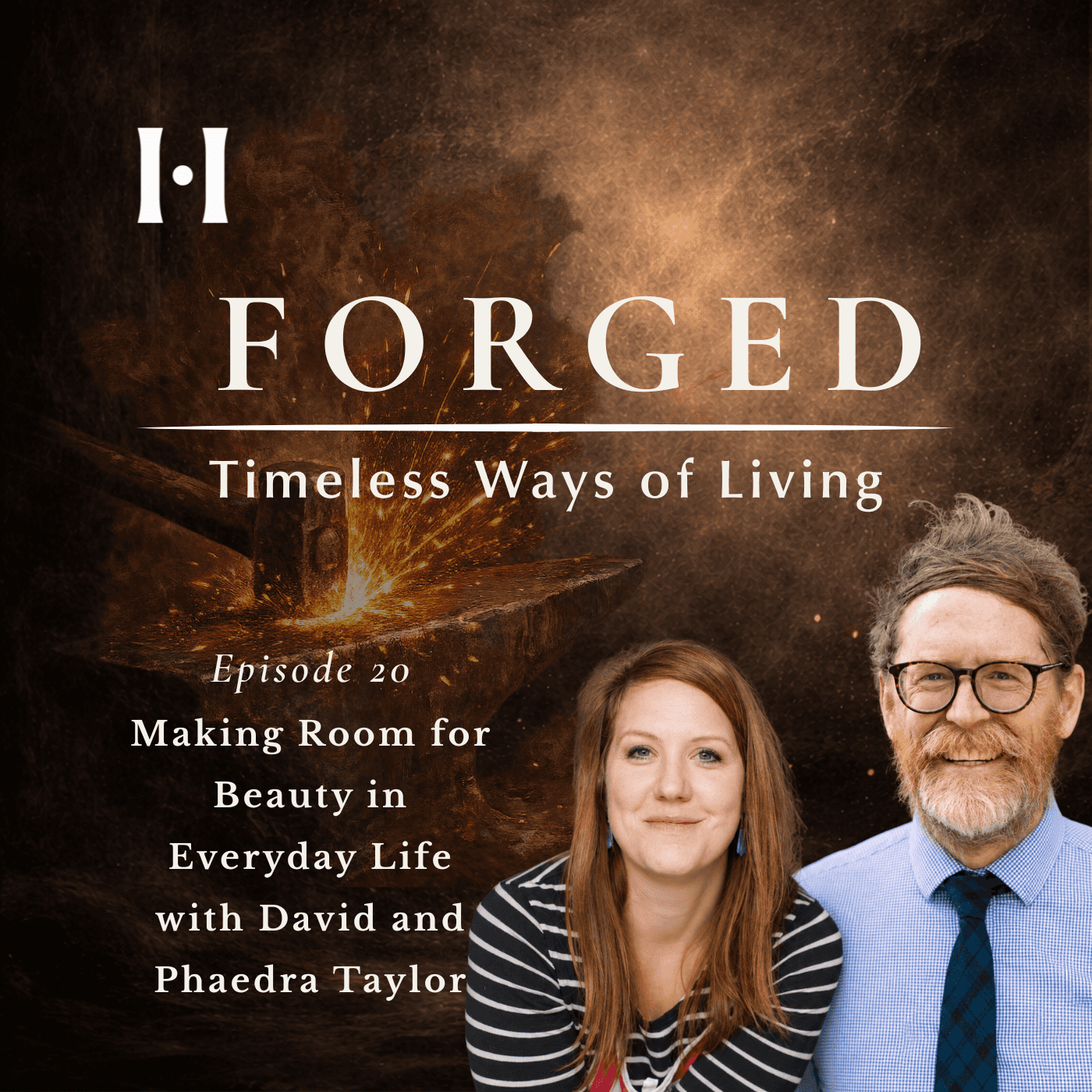
What would change if we treated every part of our lives as worthy of prayer? And how might we learn to notice the beauty of the world when so much of modern life competes for our attention? On this episode of Forged, Brian Williams welcomes David and Phaedra Taylor for a conversation about prayer, art, family, and the habits that shape a meaningful life. They discuss their collaborative book Prayers for the Pilgrimage, the importance of making room for beauty in our homes, and the small decisions that help families resist the pull of digital distraction. Drawing on their experiences as artists, parents, and stewards of twenty-one acres of Texas prairie, the Taylors offer a thoughtful vision for living with greater attention, patience, and purpose. Along the way, David reflects on why artists are essential to human flourishing, while Phaedra shares what painting, motherhood, and restoring the land have taught her about creativity, limitation, and learning to let go of control.
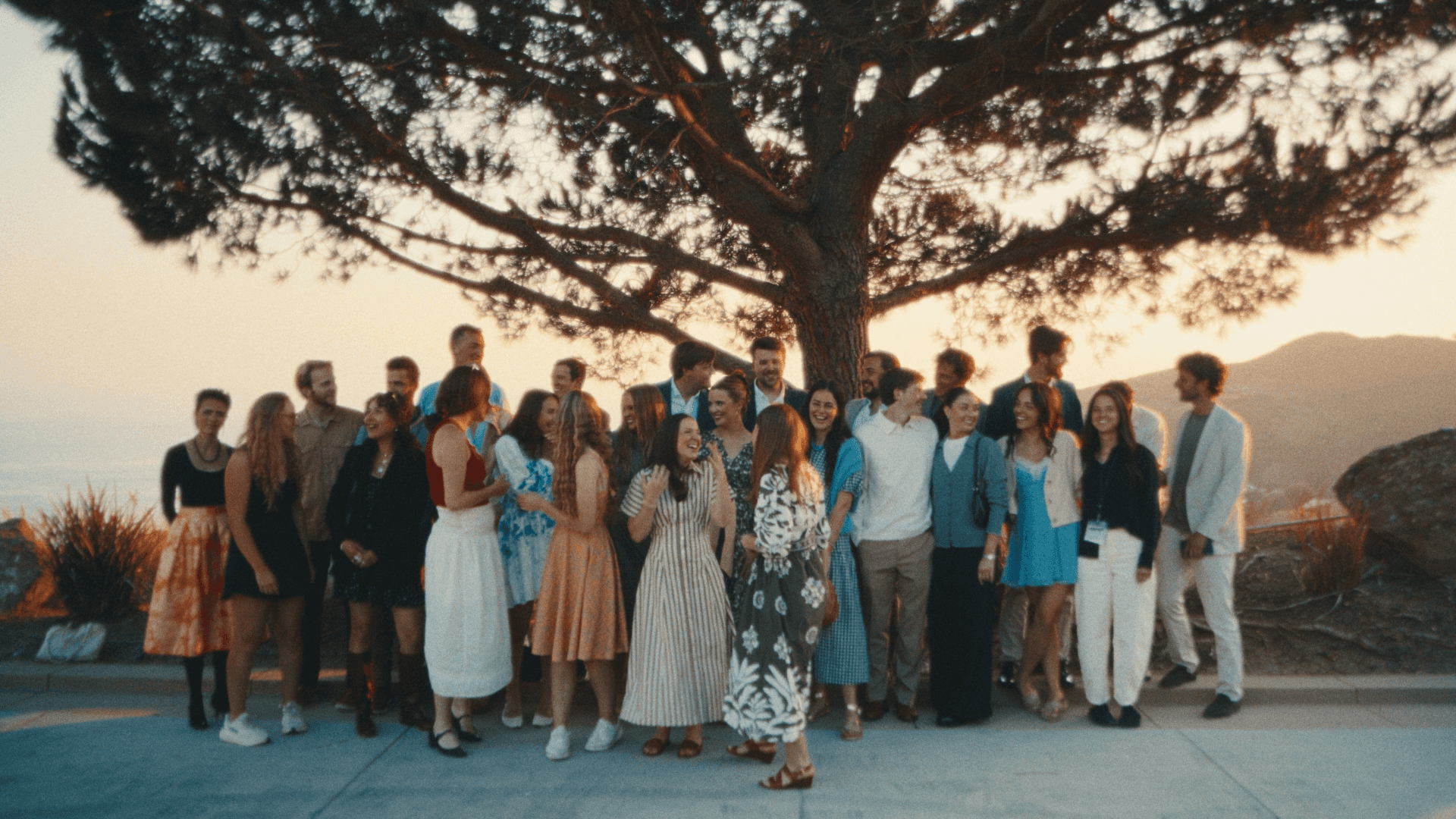
Classical school graduates reflect on who they’ve become and how their education formed them in mind, character, and a lifelong love of learning.
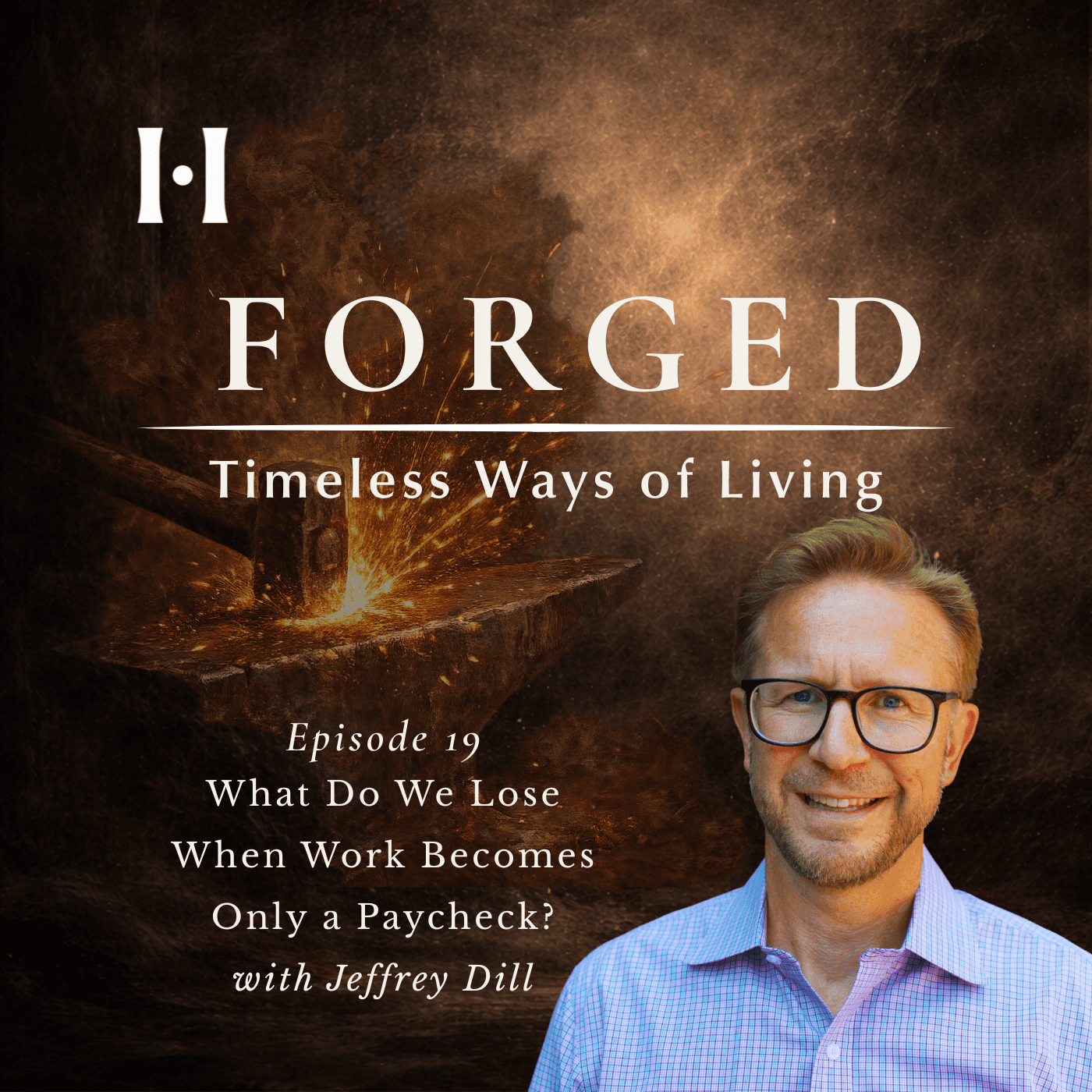
What happens when work becomes little more than a paycheck, food becomes something we expect to appear in a grocery store, and home becomes mostly a place of consumption? In this episode, Brian Williams speaks with sociologist, professor, and farmer Jeffrey Dill about the dignity of work, the discipline of living within limits, and what farming can teach us about family, freedom, and responsibility. Drawing on his experience with a regenerative beef and pork farm in Pennsylvania, Jeff considers what industrial efficiency gives us and what it can quietly take away: connection to land, craft, neighbor, and the formative power of labor itself. Their conversation ranges from Adam Smith and Wendell Berry to care work, fatherhood, household life, and raising young men who understand that a good life is larger than a career. Listen for a thoughtful invitation to recover work as something that forms us, not merely something that pays us. Jeff also reflects on folding laundry as a discipline, time outdoors with family as a delight, woodworking as a craft, and the love of God and neighbor as the calling that gathers the rest of life together. The conversation closes with W. H. Auden and a reminder that meaningful lives are built through ordinary acts of work, love, service, and fidelity.