A case for Classics
Eager minds are being failed by a smug and short-sighted cultural establishment

March 29, 2026
Eager minds are being failed by a smug and short-sighted cultural establishment
March 29, 2026

A case for Classics
The Critic • Alexandra Wilson
What happens when a rich inheritance is quietly withdrawn—until only a few can still reach it? This piece traces the steady disappearance of classical learning from common schooling, and the strange cultural forces that now dismiss what they have already helped to make rare. It raises a pressing question for parents and educators alike: whether a living connection to the past can be recovered before it is lost to most altogether.

The Critic
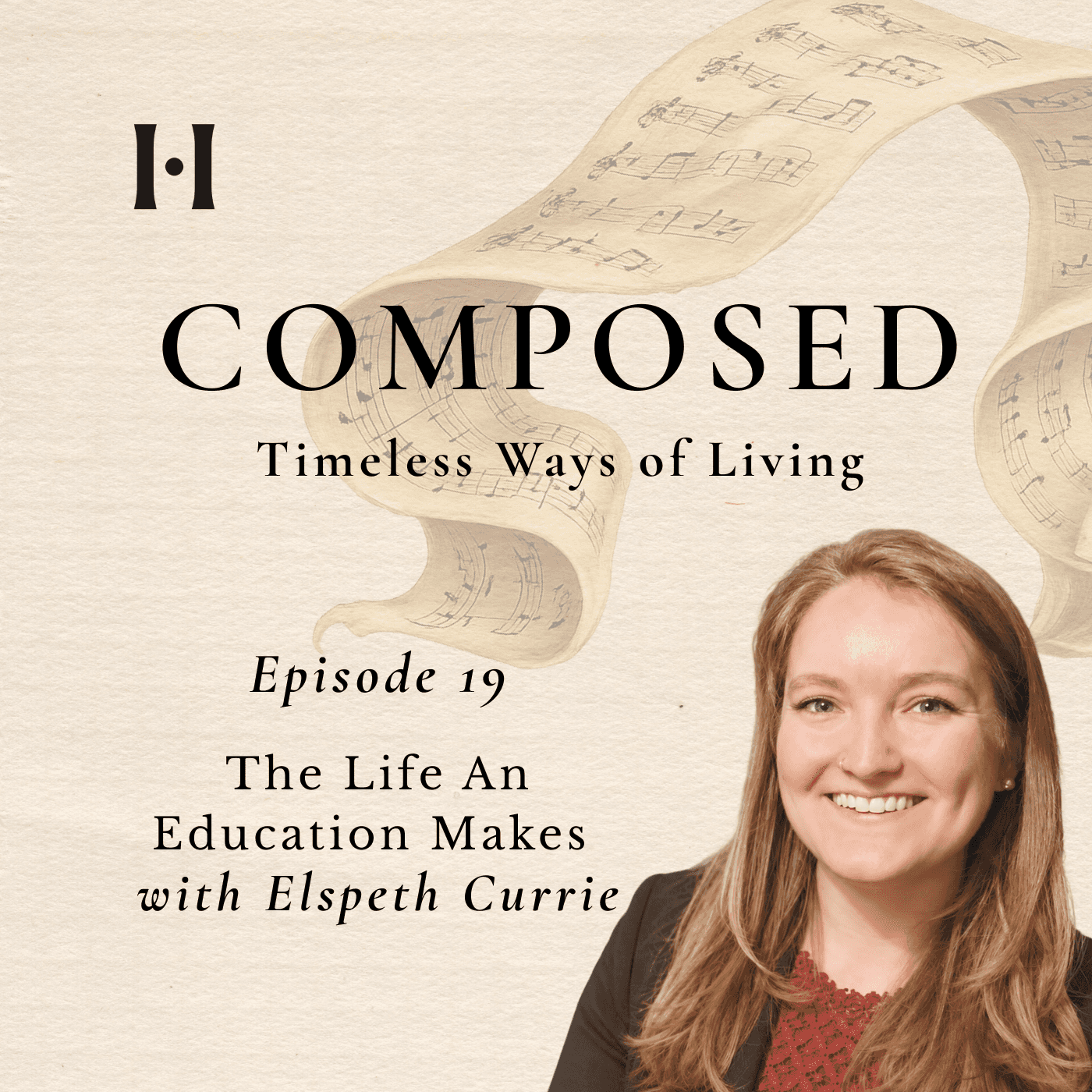
What if the books you read at sixteen, the habits you formed in a classroom, or the things you learned simply because they were beautiful were never meant to “pay off” only in a career? Christine Perrin talks with historian Elspeth Currie about education as lifelong formation, and about the ways learning can shape motherhood, family culture, work, and our capacity for attention and enjoyment. Drawing on Currie’s research into educated women in Renaissance England, they explore why learning matters even when its effects cannot be measured, how good books and thoughtful teachers shape us over time, and why practices like reading aloud, Sabbath rest, community, and celebration can keep us from simply drifting through family life. It is a conversation that recognizes the good work that might already be unfolding in ordinary life.

In Sarah’s words, her teachers taught her “how to know what’s right and how to do what’s right.” That is what we mean when we say a classical education prepares young people for real life.

One day at a classical school changed the course of her life.
In seventh grade, Sarah spent a single day shadowing at Jackson Hole Classical Academy. She says she learned more that day than in the seven years of school before it.
What followed was an education in great books, Latin, and poetry learned by heart, including Rudyard Kipling's "If-" Years later, when Sarah arrived at West Point to train as an Army officer, she found that same poem on the walls of the barracks.
Today, Sarah is a West Point graduate preparing to lead a platoon of soldiers. Her story shows what classical education is for: forming young people who know what's right, do what's right, and give of themselves in service to others.