Alfred Lohmann: Everything in your room is a product that was installed by an installer. Your windows, your doors, your walls, everything was made by a machine, pretty much. Nothing in this room was handmade. What value do we have in in the built environment at that point?
Like, what what about
things of beauty? Where where's our sense of beauty coming from? I happen to be a carpenter, you know, but my identity is in Christ. And I want people to walk into my shop or my job site and feel there's something different here. What is that?
There's something light and and beautiful and inspiring in this place, and what is that?
Brian Williams: Hey, folks. This is Brian Williams, host of Forged, a podcast of the Humanitas Institute about forging well lived lives that draw wisdom from the classical tradition into contemporary times. Today, my guest is Alfred Lohmann. Alfred is a master craftsman, historic preservationist, and owner of A P Lohmann Restoration in West Chester, Pennsylvania. Alfred and his wife, Ruth, have also raised four classically educated daughters in a culturally rich home, so he's a man's man and a girl dad.
Today, I'm talking with Alfred about the common arts, mentoring the next generation of craftsmen, and lessons he's learned from working with wood and forging a home economy. So welcome to Forged, Alfred.
Alfred Lohmann: Thanks, friend. Appreciate it.
Brian Williams: Hey. So what's the origin story of A. P. Lohmann, the master craftsman? How did you come to be who you are?
Alfred Lohmann: Well, there's no such thing I would say as a as a master carpenter, and I I would highly contest being called a master craftsman. I mean, part of it, and and just to answer that, is you're always learning. You know? I... There's a a recently reading about Japanese carpenters, and even though they've been practicing their their craft for decades, there's always this going back to this principle of, you know, mastering the basics, mastering the process.
No matter how inane or simple the process is, is mastering that and and having that perfect process experience. And when I read that, that just actually totally rang something true to me. I meet guys on my my trade or hear of them or like, oh, yeah. I've been there, done that, seen everything, done everything. And I'm I'm in a industry where it is so humbling to say as as a carpenter...
I've been a carpenter for thirty years that I'm constantly learning something new. I'm constantly discovering things I've I've... I had no idea about. I didn't know existed. I didn't know how they were made.
I completely find myself just Like, give me some examples. So so is is that is that because you're working with the different types of wood that you've never worked with, or you're discovering new materials or new techniques,
Brian Williams: or what is that?
Alfred Lohmann: We live in a built environment. Right? So everything everything in your room is a product that was installed by an installer. But your windows, your doors, not your floors, your walls, everything was made by a machine, pretty much. Maybe some guys were assembling it.
Nothing in this room was handmade. Nothing. Maybe some of the furniture was.
Brian Williams: Furniture definitely was. That's
Alfred Lohmann: I'm coming behind people, craftsmen, who handmade a door, a window, a house. The framing was done. Many many situations, there wasn't any drawings or plans. They they used a daisy wheel to mark out and to get their proportions correct.
Brian Williams: What's a daisy wheel? It's You're gonna be doing this the whole conversation. Yeah.
Alfred Lohmann: Fine. I actually just recently learned what a daisy wheel was. On any job site, the the master builder, you know, or the lead carpenter would come. He would take a compass, and he would draw a circle with it on on any scrap of wood. And from there, he would lay out trammel points and literally kinda draw a a daisy.
Like, you'd see a, like, a, like, a hex on the side of a barn or whatever, sort of like something like that, like, a geometric pattern. It maybe only be eight inches, six inches big, but they would base all the layout from that building off of that design. So they would take trammel points, measure it. Okay. This is this proportion, and they would do all their beam layout, their beam lengths.
Brian Williams: Oh, simply to make sure the proportions throughout the whole house were the same. So was this scale. On that that one guide. Right. Right.
Alfred Lohmann: There weren't any drawings. There weren't any blueprints. So everything was done, you know, using, you know, the golden rectangle, classical proportions. And then from there, all the layout was based off of
Brian Williams: that coming along behind those guys trying to restore their work. Right. And this is... You're you're so humbling.
Alfred Lohmann: Right. It's humbling. It's humbling because the the level of creativity that were that were... That's being revealed to us is just... It's beyond anything that I've ever experienced in the past thirty years, and and that's and that's how it's how it's been.
So to to go back to what your first question was, how we get started. So I had... You know, coming up on the trades, you know, I I first... Actually, I went to art school, but while I was there, I was at conceptual installation, not major, but that was my focus of study. While I was there, I was just kicking around with my roommate who went over went over to his house and...
Or his his cousin's house. And he was, like, working for a cabinet maker at the time, but we go out onto his sleeping porch. This is Washington, DC, so older home, sleeping porches. And he had his little workshop set up out there. And on it, he was working on kind of an eighteenth century reproduction of a, like, a bow back Windsor chair.
No power tools at all. All handmade. All... And and he didn't even sand out any of the the the the spokeshave's marks from, like, the spindles. Like...
So it had this this this feel, this look to it that was just all handmade, like, totally touched by the craftsman's hands, you know, the woodcarver's hands. And it was... It wasn't finished. It was just curly maple... Bird's eye maple rather, and I was hooked.
I was so Why?
Brian Williams: Why? What was it about that handmade chair that left handmade marks that that, you know, grabbed your attention?
Alfred Lohmann: Because he was... It was an object of beauty, but you could see he was figuring it out. And and in in a sense, there was like some grace there. It was it was a guy that who had... Obviously, he had skill.
But within that, he's still learning. He was still growing. He was still figuring that out and and trying to tune that thing just right.
Brian Williams: So what was it that sparked your imagination? Was it this useful, beautiful object that an amateur was making? It was Or it was the puzzle? It was... Was it the problem solving?
Alfred Lohmann: It was the problem solving, but it was also the the the accessibility to the process.
Brian Williams: Alright. So explain that.
Alfred Lohmann: Like, the evidence... Like like, looking at this table that we're sitting at right here, like, you can see the carving marks. They're not all perfect, but but it's the evidence that a human being made this, and somebody with a lot of care, they're considering the proportions of that chair. And is this... Is the is the weight of that person gonna gonna be comfortable in that, or how is that gonna feel?
So he was working those little things out. And I think at that time with art, I think I had way too much, art theory at that time and thinking in the abstract and thinking too conceptually and full of all the things postmodernity offers.
Brian Williams: The art school student. The art school student.
Alfred Lohmann: Yeah. And I loved the fact that here's something that was beautiful, yet it was so practical at the same time. And I think, you know, my wife's always... My wife and my and my daughter are always trying to get me back to oil painting and stuff. And maybe maybe someday I will, guys.
But, like, but but for now, like, just the the pleasure, the joy of creating and using my hands comes in the form of making something functional. And that... That's not just functional for today or the rest of the year, but something that'll be functional and will wear and patina well for the next a hundred years. That to me is like, that's the juice. That's that's the juice.
Brian Williams: That's great. Well, behind us is a William Morris chair, the classic Morris chair that he... It's a design that he made, and it's probably a hundred and fifty years old. But, you know, his mantra is always, you know, the useful and beautiful from the arts and crafts movement. And it sounds like that that's what captured your imagination.
Absolutely. Yes. So you leave art school? Do you leave art school and then go become a carpenter and restoration guy? Is that like you wake up on a Tuesday morning, you think I'm out of here, I'm gonna go?
Alfred Lohmann: No. I I had been house painting since I was pretween. You know, my my parents just had some rental properties, and and so we got into that. So literally, I was probably painting houses since the age of eight and put myself through art school doing that in the summertime and and on vacations and stuff. So I kinda went back into that when I got home.
We worked for my dad for a little bit. He's still in printing and graphic design and just helping with that. Made no money. It's fine. It's helping him out.
Doing the right thing. But... So I just, you know, just started to get back in house painting, had my own business. And the end of the... So I graduated in '96.
In '98, I was... Had had a great summer, made a lot of money, and my now brother-in-law and I had this great idea of we're gonna drive a '78 VW West of Folly out west. We're gonna go into the oil fields. We're gonna make a ton of money, you know, just really young and dumb. And
Brian Williams: How'd that work out for you?
Alfred Lohmann: So the transmission on his VW blew up.
Brian Williams: Alright. So you didn't get down the block necessarily.
Alfred Lohmann: No. No. Yeah. So he... So I had all this money and nowhere to go and was really craving an adventure.
And serendipitously at that time, some friends of ours who were living in England, they sold everything, bought a farmhouse, a farm villa in the South Of France, and they offered me, hey. In exchange for room and board, do you wanna come and give us a hand? So I flew out, and the first project they gave me was, hey. Do you think you can restore the gates to the the villa? Did you
Brian Williams: have any actual skills at this moment in time that they knew about?
Alfred Lohmann: I mean, like, really basic stuff that... I mean, I went to art school, so they they were leaning heavily on that.
Brian Williams: Right. So he knows how to use, like, material. I mean, he knows he's familiar with material. He might have an eye.
Alfred Lohmann: You know, they...
Brian Williams: I can do a conceptual installation for you in your French villa.
Alfred Lohmann: Right. Absolutely. It's there, but not really. Right? Right.
Exactly.
Brian Williams: Okay. So you go to South Of France, and they say, hey. Here's a big set of doors. Right.
Alfred Lohmann: Right. And it was these massive doors. They're the gates of the villa. On one side was their home. The other side of the gate was the the bread oven for the area.
It was so cool. And so, yeah, I took the doors off the hinges, restored all the rot, you know, did Dutchman repairs. You got everything working, functioning, and I was like, that's it. I'm sold. Amazing.
Brian Williams: Yeah. Did you have to use certain kinds of tools for that? Because, I mean, do do you have to... When you're doing restoration work, like, on those sets of doors, do you have to use the same kinds of tools they made originally... That they used originally to make it?
Alfred Lohmann: No. I was using whatever they had. I mean, and which were terrible tools, actually. I mean, sorry. Don't go to Europe to get woodworking tools.
Mean, somebody might throw shade at that comment. But but they... It was... Everything there was like tile and stone masonry, so they just picked up... It was just whatever cheap saws and cheap whatever they had.
So I was just really trying to make do, but I loved it.
Brian Williams: How long were you there?
Alfred Lohmann: I was there for about... I think about nine weeks I was there. So it was just a a wild experience.
Brian Williams: And what was going on in your head and heart during those nine weeks while you're working restoring these doors?
Alfred Lohmann: Yeah. Act... Well, I actually got saved there
Brian Williams: Okay.
Alfred Lohmann: Which is pretty wild. And that's a whole another podcast. But, like, but it was... The Lord had been drawing me for a while and just really used this couple and some circumstances to really bring me to him. So it was just like...
On so many levels, it was just... Like, as I was restoring the doors in a say... In a sense, I was being restored as well, like, holistically. So, I mean, France since then, that's just a very sweet sweet place for myself and also my family as well. So...
But Okay. Yeah. It was amazing. Alright.
Brian Williams: So you come back from France.
Alfred Lohmann: I come
Brian Williams: back from What changes for you, like, vocationally? You think, I... That's the kind
Alfred Lohmann: of work I wanna do? Yes. But pit stop at the fact that I didn't have a car at the time. And so... And I was really in love with this woman named Ruth Komorowski, who's now my wife.
And so I ended up living with her family. Nice move. Lived... Slept on the couch for about six months and worked with her dad doing landscaping, more like stonework. So it was all random rubble, stone walls locked in.
Our first project was a stone wall that was 40 feet long, 10 feet high, and he ordered stone... This is actually kinda funny. He ordered stone that was really small, like basketball, football size. When the dump truck showed up, it was college fridge and washing machine sized stones. And so so at the time, you know, I was...
So I was a new believer. You know you know, my father... Now my father-in-law and I were getting up every morning. We're reading the Bible, and, you know, I was reading about the the Israelites and enslavement, and I was like, this is like... I can really see it right now.
You know? But we were literally... The stones were so heavy, had to load them up on tree dollies, and then the way their backyard was, we couldn't... Didn't have a lot of access, so we had to push these tree dollies laden with stone one boulder at a time up the street, like uphill, then into the woods, then down this embankment. So we were doing that for about a month, and I was eating five meals a day and still losing weight.
That's that's amazing. It was hardcore.
Brian Williams: Yeah. When... I I visited a number of ancient sites in in in Greece or in the Mediterranean, and you go to some of these places, these these old old Iron Age forts, and there are walls with stones so big that the next generation didn't know how they built them, and they called them Cyclopean walls because they just thought the Cyclops must have been here Right. To move these things into place.
Alfred Lohmann: But there's something there. Like, the knowledge was never transferred.
Brian Williams: The knowledge wasn't transferred. And so in in multiple places, you see references to the Cyclopean Walls because the next generation didn't know how they actually built with stones that large.
Alfred Lohmann: Right.
Brian Williams: And so that's a that's a loss of loss of craft, if you will.
Alfred Lohmann: Yeah. Oh, no. And that that's very relevant to what we do. That's very that's very relevant to where I'm at and how I feel.
Brian Williams: Is there a... Yeah. Yeah. Say more about say more about that because, mean, I guess it's just one generation away from losing some of these some of this knowledge, and you probably restore homes that were you... That were built using techniques that we probably have lost.
Alfred Lohmann: Just because I don't know, I know enough to know that somebody else might know about it.
Brian Williams: Somebody somewhere might know about it. But that's that kind of somebody somewhere might
Alfred Lohmann: if you do. Yeah. But, no. I mean, it's... I don't know, like, what did that what did that rhythm of work look like?
Like, how would how would they, you know, for what we do, like, did they do restoration, and what did that look like? How would they prepare for a project? You know, I was... Like, I spent the morning restoring part of the the George Reed house, some some fixtures that we brought back to the shop to to repair. And then I was doing that for a little while, and then I spent the rest of the morning literally sharpening all my chisel and and plane blades.
You know? And and I was thinking, you know, what was... How would they would have done this? Like, what was the system that they would have had? I mean, I have a modern, like, wet wheel and different things and there's more modern processes I use, but I know these guys were using just different type of, like, you know, marble or different type of flat stone.
And... But what would that look like?
Brian Williams: Yeah. It's fascinating. I... This summer, I was in Turkey to to visit the the ruins of ancient Troy
Alfred Lohmann: Yeah.
Brian Williams: And we think there are... We being, like, archaeologists who actually do this work, but ten ten... At least 10 different cities built on top of one another. Yes. And so sometimes you can distinguish one city from the next by the construction techniques, and one would've been covered over with an earthquake or dirt or would've been burnt down, a charred layer, and then you see a different kind of stone being used to be built on top of it, or you see, obviously, some of those old stones being recycled.
Alfred Lohmann: Yes.
Brian Williams: Right? And so you see building techniques differ as you go up these different, you know, these different layers of the cities. So you think, oh, There were craftsmen there moving these things in place, trying to do just what you're doing, like problem solving all along the way to build walls that stay up, defensive fortification, ramparts, all these kinds of things. It was always fascinating to go to a place like that and think, oh, who who put this stone in place?
Alfred Lohmann: Right.
Brian Williams: Right? What craftsman moved this stone here, and what problems did they try to solve along the way?
Alfred Lohmann: Yeah. Sometimes, like, when we take stuff apart, people leave their names, they'll they'll sign it Right. Which is really fun. Yeah. And it's always like...
That's always humbling because it's always like this beautiful curse of handwriting. Like like like beautiful. Yes. Like like, it's a font. You know?
And then you you write your name, and you're like, that doesn't look as good.
Brian Williams: So did you have to go back and learn? Where did you learn, like, the work you're doing right now? I mean, you you you went from art school. Okay. Fine.
You're doing landscaping with the father-in-law, but somewhere along the line, you had to pick up these skills.
Alfred Lohmann: So when I was out at the farm, you know, my my father in law's farm at the time, you know, during downtime, I was trying to go back to the building furniture notion. And I just picked up some books and started just trying my hand at making rustic furniture, you know, that sort of thing. And then finally moved back home, my mom and dad, so I was a bummer, but I got a job. I knew I wanted to be a carpenter, and I literally... This is pre Internet.
So I literally... I remember sitting with Ruthie, and I had the Yelp pages open to, like like, builder or carpenter. And I'm gonna work for this guy, like, literally.
Brian Williams: Really?
Alfred Lohmann: That dumb. That dumb. I think I even sent him a resume, and, like, who who even did that kind of thing? So the first guy I was with, I was only with him for a few months. Interesting work, though.
I learned a lot. But then the church I was going to at the time, I got a job with a builder there. And so he he was local in Wayne. We... Like, I cut my teeth on a lot of the old Sears kit houses that are in Wayne.
So working on an old home was just what we... It was normal. That was just what we did. You know?
Brian Williams: And And was that was that restoration work, or were you doing repair work?
Alfred Lohmann: We were doing more remodeling more remodeling, that sort of thing. And what was interesting about working with... His name was David Bard, and he was great. I call him my carpentry rabbi. But we would literally...
There were jobs that we did in the beginning there where we would literally hand dig the footers. We'd hand mix the concrete. What are we doing? You know, like, we're like, we're we're laying the block. We do everything from foundation to finish, and then we'd start that process again.
And then by the time you start it again, it's like a year later, and you're like, how do you do this? You get yelled at and then you... Alright. You know, figure it out. But it really wasn't until...
And I was always more drawn to the carpentry side of it. I loved it. And the framing, the trim work, all the things. And this is back when, like, I mean, people, I guess, still do it. You don't see it as much, but people would stick frame a roof.
That's a total, like, art. That means, like, you're not using trusses. I mean, like, the the bus doesn't... Know, the the truck doesn't come with premade trusses already in place, but you're literally cutting, you know, two by tens, two by eights, you know, a ridge after all the things. You're using geometry, which I failed in in high school, which is completely ironic.
Puts me at disadvantage. Note to self. Note to yourself. And I mean, I need to read Euclid. You know?
Exactly. Yes. You do. But... We had an opportunity.
Brian Williams: I, you know, I I left him for a little
Alfred Lohmann: while, then when I, oh, we did some new home construction. That was a a lesson in a total train wreck.
Brian Williams: How so? What do you what do you mean new new home construction?
Alfred Lohmann: It was... I would say under David, like, he he he taught us really well. He's a very traditional kinda guy, taught us really well. With the new home construction, it was... So enter in, like, really cheap materials.
You know, the the the the saying was like, well,
Brian Williams: if you could... If you
Alfred Lohmann: can save $5 on this house and you have a development of 200 houses, well, there there... That's 500, you know, five times 200, and you're saving all this money. And so it was just really whittling down a product to the cheapest form.
Brian Williams: What's that do to the mindset of the builder?
Alfred Lohmann: It's not about building a a home for somebody that you're crafting. Those homes are being built aren't gonna last fifty years. Maybe. Maybe. Maybe.
Maybe the life of the mortgage. Maybe. But years later, you know, I I was doing stock remediation for... I was a sub for Toll Brothers, and we're we're working on houses that were built, and this is 2018. We're...
At the time, we're working on houses that were 2012 built, and so that's six years. And we were a $150,000 in billables of repairs that we were doing on these On
Brian Williams: a six year old home.
Alfred Lohmann: On a six year old home that we're we're pulling off the stucco, and it's it's... It literally looks like wet black mulch that we're pulling off that used to be OSB plywood. You know, we have to go into making structural repairs because of rot.
Brian Williams: And presumably, the guys who put it up in the first place knew this was likely to happen.
Alfred Lohmann: Probably. Is this kind
Brian Williams: of construction, does it... Is it is it insulting to someone like you? Does it devalue or diminish the significance of the work you're doing, or what's that feel like?
Alfred Lohmann: I think it... I'm gonna go deeper and say I think it devalues us as a culture. You know? The built environment is... You you go to Europe, and you think of...
Right. You think of, like, I mean, England and France and some of the places, you know, in Italy, you know, some of the places I've had the fortune to visit, you know, they they so care about their historic assets. I mean, that's that's part of their culture. And, you know, it kinda goes back to what I was talking about before earlier, you know, where some of our historic assets are just like living room furniture. We don't see it anymore.
There's no value to us. Or somebody like you coming from the Midwest, you see a Chester County stone farmhouse, and it's like, wow. That's amazing. Yeah.
Brian Williams: That's right.
Alfred Lohmann: That's right. 17 hundreds? Oh my gosh. You know? But it's something that's actually a house that's made by somebody, a builder that really took care.
You know, I would say when I was working with David, like, he he genuinely really cared. He was a godly man. He really cared about how we remodeled, how we build stuff, and it was really... Like like, character mattered. You know?
Quality mattered, but that was hinged with character. You know? Like, integrity. Devalues us as a culture, you said. Absolutely.
Brian Williams: Like like like, it like it it orients us towards the the throwaway, towards the the ephemeral?
Alfred Lohmann: Well, yeah. That's... Yeah. We'll think about this. So we talked about earlier before, like, stuff that's made in your office.
And then you have a lovely office, so I don't want... Not guessing that.
Brian Williams: Thank you.
Alfred Lohmann: So, like, disclaimer. But... And but... So everything in here is an installed product. Okay?
So, you know, I'd say pre World War pre World War one... Pre World War two. Say pre World War two. More things were made by hand. Less things were made as a product that was installed.
Okay? You get post World War two. You get Levittown. You get more... You know, things are manufactured.
Things are installed. You know, most people's homes, all all new home construction are... Is a product that's installed. So it's no longer a a carpenter or a craftsman on-site. It's now you have an installer.
You know, anybody with a with a with a with a screw gun and the right fastener and, like, about thirty minutes of training can put together... Put in the floor, the the pre prefabricated floor.
Brian Williams: Because it's been made at scale somewhere else. Exactly. In, and you put the thing together.
Alfred Lohmann: You're keeping your labor rates down. So you just need a personal And your skill levels down. Right? Levels down. So you just need a personal responsibility on-site.
That's it. You know, everything else. I mean, I was talking to a friend who has a former business partner that they're getting into houses made out of concrete that are fabricated with a giant CNC router. So the CNC router, each wall, you know, they fabricate each wall somewhere else. It's boomed in.
You know? Got two guys on-site that drop it in place. You're done.
Brian Williams: And what's that do to us? I think that... What value do
Alfred Lohmann: we have in in the built environment at that point? Mhmm. You know? Yeah. It's like like, what what about things of beauty?
Where where's our sense of beauty coming from? Is it coming from our phones, our screens, or whatever? But, like,
Brian Williams: what about the built in more realms? We don't have it. Maybe we just don't... We no longer participate in and, you know, experience beauty in the way that we we could have.
Alfred Lohmann: It's a sacrifice. It's a sacrifice. It is a sacrifice.
Brian Williams: In this building that we're in, Tippleton Hall, one of our goals was to create a space of ambient beauty. Yeah. So that when you walked through it, you felt like I was walking through, again, a kind of beautiful built environment that used used materials to the extent that we could that were natural to humans, so wood, stone, leather, and textiles that looked like they drew out of a field. Right. You know, we did that obviously within a within a budget, but that was that was our our goal, so it was beautiful, but also felt familiar, I think, to humans.
Alfred Lohmann: Yes.
Brian Williams: So so so question, if we're driving around looking at old homes in the area here, what are you drawing my attention to? Like, what what what do you want me to see? You know, if we're driving through Delaware or driving here around Philadelphia looking at historic homes, Which one of your... I will say one of your daughters did tell me you like to do sometimes.
Alfred Lohmann: Yeah. It's like, yeah. I worked on that back in the nineties, back in the late nineteenth... The hundreds. Yeah.
Brian Williams: But what are you looking for? Like like like like, tutor me. When I'm looking at an old home, what kind
Alfred Lohmann: of things should I be be attending to? Well, what's really interesting, like, depending on the region that you're in, so this area here, you know, is kind of the birthplace of America. So you have a lot of, you know, early, you know, Georgian style architecture, you know, that, you know, the English brought over there. We were highly influenced by that. So you're looking at, you know, you know, the the Georgian influence and things.
And then as we... Later on, we get into, you know, revolutionary war and post revolutionary war more, then we're talking about, you know, federal... The federalist look and that they're like, now we're like, now we're a nation. We have to have our own look. We have to have our own architecture, own design sense, which is like, yeah.
What happened to that? You know what I mean? Like, you know, then we enter into, like, you know, actually, Westchester where we live now has some beautiful examples of Greek revival. Actually, we've been working on one for a lovely client there where Claude Rains used to live. He was one of the...
He was the actor in Casablanca. Yep. It's kinda random. Why he's living in Westchester? Who knows?
Not there anymore. But... Yeah. So... And and and for me, I mean, it's part of, like, kind of a big part of what we're doing now is window restoration, but I say always look at the windows.
The windows are are to me... So some of the... I thought I was supposed
Brian Williams: to look through the windows
Alfred Lohmann: Yes. Alfred, right, and them. Right? Because, I mean, so the coolest thing about this area with the windows that we have is if its original, has the original glass. Glass is is amazing.
Glass... Original glass in the houses that we have out here, you figure everything was imported. So we didn't have glass production. Commercial glass production did not start in America until 1914.
Brian Williams: Oh, is that right? Yeah. Is that right? So we're importing glass
Alfred Lohmann: from Baird. We have a little we had a little blip little blip with Jamestown settlement. They tried real hard. Didn't really work out. Tried twice over course of twenty five glass, you mean?
Yeah. Just... They would... They were trying it, and they're making some ingots, they'd send it back, and it's not so great. Then they...
Twenty five years later, they imported some guys from Germany, I think, over Italy to try it out, and it didn't really work out. But it's kind of little bit of a mystery. They're still trying to parse that together. And then you have Glassboro, New Jersey where there is an illegal glass blowing, rain going on.
Brian Williams: Oh, is that right? Black market glass. Didn't know that.
Alfred Lohmann: Then then the British shut that down, like, no bueno. And then... But, yeah, everything we have. Like... So for example, in my shop, we're just outside Westchester.
We have a 1,400 square foot shop we built last year. Just a pole barn, but we we installed windows from jobs that we didn't get. So What do you mean? Meaning, like, so they chose to put vinyl replacement windows in instead of restoring their windows.
Brian Williams: And you took the windows?
Alfred Lohmann: And said, hey. If we didn't get... So what... You know, they go, oh, we we chose to go somewhere else. Okay.
Can I have the windows? And they're like, oh, of course. And they feel like they're doing the green thing. And so it's like it's kind of like they're, oh, now I feel better that I didn't use you. But but we get the benefit because it's all these beautiful examples of hand blown glass.
So for example, a lot of them are windows that we have are what are called a six over one. So the upper sash is six lights, so six panes of glass, and the lower will be one pane of glass. Well, that one pane of glass is like the economic flex. It shows your wealth because that would have... That larger pane would have been so expensive to import over rather than the smaller ones.
So if you look at
Brian Williams: And so it's not the Maserati in my my driveway. No.
Alfred Lohmann: It's just the large face single glass. That's what I do. Right?
Brian Williams: Look at that. The one
Alfred Lohmann: over ones. Whoo. That's the billionaire. Right? But what's what's beautiful about it, you look through that glass, and it looks like you're looking through, like, a Monet filter.
You know? It... It's this beautiful watery striations, you know, horizontal, vertical, and it... It's so beautiful. And the funny thing is is that, you know, when we go, you know, go to visit a client, we're talking about their their project or advising them, we point out the glass, and it's like they've never seen it before, and now they can't unsee it.
You know?
Brian Williams: So again, they're looking through the glass, not at the glass.
Alfred Lohmann: They're like, why is it so why is it so wavy? We don't like... But when you explain why... Like, for example, we have some, I'd say, perfect examples of cylinder glass in my shop.
Brian Williams: Alright. What's cylinder
Alfred Lohmann: glasses, you'd have a craftsman who would go to the glory hole, get his pipe filled with glass. He'd blow on it. He'd blow a balloon. He'd move over to a pit where he'd begin to swing and spin that that... The pipe like a pendulum, elongating that balloon.
Right?
Brian Williams: As he's... As he as he moves it. As he swings.
Alfred Lohmann: He's elongating and spinning it.
Brian Williams: I come from the Ozarks Of Southern Missouri, and we have the best amusement park in the country called Silver Dollar City. And at Silver Dollar City, you still have craftsmen, you still have blacksmiths, you have glassblowers, and so I actually know what you're talking about because I grew up going there, and I've seen guys blow glass and do this swing
Alfred Lohmann: Right.
Brian Williams: Thing on the pendulum. Okay. To elongate it.
Alfred Lohmann: Yeah. So
Brian Williams: Yeah. Alright. I'm with you.
Alfred Lohmann: They would... There's a company in Germany that will still do this, which is crazy. So you can look them up on the... On YouTube and watch them. But...
So they they blow. They get to the right size. You know, they they swing it up, put it on a rack, and it goes into the furnace. They kinda score and snap the ends off. They open it up, and and then they fold it down.
But... When we... When you pull that out, it still has an arc on it. You know? Like, we Let
Brian Williams: me just say, listeners, if you've never seen somebody work with glass like this, it's it's kinda mind blowing. It's mesmerizing. It glass as this hard surface. Yeah. But you realize when you see someone doing that, it's it's liquid.
It's a liquid form, and they can shape it. And to see them snap it and and cut it open without shattering it, it's it's really remarkable.
Alfred Lohmann: And it's and it's it's a beautiful art form that's done as a team in unison. You know? Like, those guys are coordinated. Yeah. And it's it's really Just
Brian Williams: so so I interrupted you. When you when you you see you see glass with still this arc in it?
Alfred Lohmann: Yeah. So we'll... And try try to glaze that in place. Like, there's some... I actually have a client in Chatsford.
They have a beautiful, beautiful home. I think their windows haven't been touched since the eighteen nineties, and the lower panes of glass are massive. These are huge. These are windows that are, like, maybe eight feet tall by six foot wide. And so there's a piece of glass that will be like three and a half feet tall by nearly six feet wide.
That's huge. Huge. Which will have like a half inch arc on it. You know? And it's...
You can't... Like, well, let's press it down. There's no pressing that glass down.
Brian Williams: Yeah.
Alfred Lohmann: So part of the the trick is is trying to get that in, trying to get a good seal and and everything. So so you have so you have cylinder glass like that.
Brian Williams: You have You are always problem solving. I mean, you you mentioned that earlier on that one of the things that grabbed your imagination was watching this guy problem solve with his chair. And I'm just imagining doing the restoration work that you do Yes. You're always engaging your mind and problem solving with materials, thinking with the materials. Yes.
Alfred Lohmann: Right. It it it is often fraught with anxiety.
Brian Williams: It is. Oh, no doubt. No doubt. So so I don't wanna be the one who, a hundred and fifty years later, broke this piece of glass because it it it lasted this... It survived this long.
Alfred Lohmann: Right. Yeah. Oh, it's terrible. And and the thing is is that we we restored windows for the Andrew Wyeth Foundation. They own a schoolhouse in Chester County, and and they have this library there.
And we restored the glass windows there. Beautiful, beautiful example of crown glass. Crown glass is they would pour molten glass on a table and then literally squeegee it out in a circle, and then they would snap the glass from there. One of the glass windows actually had somebody took off the glass in sequence, and so you see over the course of, like, six panes of glass that arc of the swirl. I, like, never had seen that before, and you're like...
And... But the thing is that's funny. When that schoolhouse was built, that type of glass was, like, just the cheap stuff that had, like, so much character, air bubbles and bits of iron in it, and then you see the heavy striations and swirls. People were like, I can't see that. Give it to the kids.
You know what I mean? Because it was like a like a community project that they they built, the schoolhouse. And we're standing back and looking at this, and it was, like, terrifying because sometimes with that glass... And, unfortunately, this stuff was all put in with silicone. When it's put in with...
Like, somebody comes back and they try to and they put... Like, we have a fifty percent success rate in getting the glass out, which is terrible. I mean, you... We try everything, steam, infrared heat, you know, alcohol, denatured alcohol, whatever solvents, nothing gets it out. And so, yeah, it's like the most heartbreaking thing in the world.
Brian Williams: It's almost... There's a there's almost like a holiness to it or something that you're you're just... You have a kind of reverence, an appropriate reverence
Alfred Lohmann: for you. Yeah.
Brian Williams: I feel like I feel like
Alfred Lohmann: the Lord might have the conversation about some of the glass we've broken in the past.
Brian Williams: Right? Alfred, I had to talk about a few things. Literally. That's right. Yeah.
Alfred Lohmann: But so it is, like you said, it is it is really... It is it is daunting. It does take a a measure of, like, boldness and courage, one that you always wrestle with. But I I consider myself more of as a creative problem solver that happens to use hand tools. That's really what we're doing.
Brian Williams: A creative problem solver who happens to use hand tools.
Alfred Lohmann: Right. Yeah. Absolutely.
Brian Williams: Okay. And you specialize in window restoration. Right now, that that's primarily the work you do?
Alfred Lohmann: I like to specialize in other stuff, but it it seems that that is what we get called most into. Absolutely. Yeah. I would say... So we're we're spread out right now over the Tri State area.
So I have
Brian Williams: And for listeners in far fallen places, the tri state area is what? I have
Alfred Lohmann: a client in Brooklyn, New York. We have clients in North Jersey, Southern New Jersey, Maryland. We're talking to a lady in Virginia right now, various places in Pennsylvania, you know, and it keeps growing. So we look at our market as any house that's older than 1950, we can wrench on their windows, you know, if they're wood because they're putty glazed. And my market is essentially about 5,300,000 homes.
Okay? Okay. There's a handful of guys and ladies that do what we do in our area that's serving those areas. Not a lot of folks. Some of them are just owner operator.
You know, just one person. Maybe they have helper. I have a good buddy of mine who's just down the road from us. Iconic Windows. His name is Adam Butler.
He has maybe 20 people in his shop. He's booked out pretty far. You know? And... But what's interesting about the the restoration community is there's...
It's a hive mind. Like, we're all collab... Always collaborating. Is there a window restoration community? Absolutely.
Brian Williams: Okay.
Alfred Lohmann: Yeah. They're great people. Crazy. K. Yeah.
Like, I mean, they'll flip tables over the type of window putty you use. I mean, it's like, yeah.
Brian Williams: Oh my gosh. As you get with any kind of niche culture. Right?
Alfred Lohmann: It's... Yeah. It's funny. Like, I went to a conference. So it's the Window Preservation Standard Collaborative Summit, and I'm That sounds like a party.
It was, man. It was like, so I'm actually on the board now, but... So it's a week long summit for window preservationists and coming all over the country and, you know, having seminars, learning new things, talking about... The funny thing about that conference and at that summit was there was no talk about, like, well, how to market your business better and how to bring more business in. It was all about self care.
There was sex... Sex things on self care. I had to, like, deal with all the stress. Oh, is that right? Seriously.
Because there's so much work, how to stem the tide. Like, it was a thing. It was, like, a legit thing. Because there's so much work. So much work.
It's overwhelming. And a lot of folks... I don't... I mean, I do feel this way a little bit, but there's a lot of folks that feel like we're in a direct race with window manufacturers like Anderson, Pella, Marva, and Peachtree. You know, we're we're in a competition.
We're in a race to to to beat out and to get to the windows, and these So they're not replaced.
Brian Williams: So they're not replaced. Them rather than having them replaced. Right. You feel that way? Do you feel that, like, you're in a you're in a race with them?
I feel like
Alfred Lohmann: if I'm in a race, I feel like sometimes I'm kinda losing because I just it goes back to, like, what people see out here. I don't think necessarily people see the value. They don't even know No.
Brian Williams: I think it's an education thing. I think for most people, like, my windows, something's wrong with them. I should have them replaced with energy efficient windows, and that gives you the new...
Alfred Lohmann: Oh, is that right? Right. Lies. Big plastic out there is telling you the wrong thing.
Brian Williams: But you're thinking, I wanna have them replaced. I've been told, you know, lies. Like, they're energy efficient.
Alfred Lohmann: The government has actually asked them to take down some of that advertising because it's misleading and false.
Brian Williams: Oh, is that right?
Alfred Lohmann: Yeah. So we have, like... So with the Window Preservation Standard Collaborative, the... It's a baffle. I get tongue tied over you.
Brian Williams: What's the acronym of that? I... There were so many words there. WPSC.
Alfred Lohmann: Okay. WPSC. Website soon coming out, kids. We're
Brian Williams: doing...
Alfred Lohmann: We're getting into trying to put together, like, a standard... Like, when you buy a window or, like, you buy a fridge, you have an, like, energy star rating. So we're trying to produce an energy star rating metric for a newly restored double hung window. And so, you know, we can show it to an architect, or an architect can show it to a township. So, you know, we're we're looking into doing, like, blower door tests and on a newly restored window with weather stripping, you know, traditional bronze weather stripping, interlocking weather stripping, or paired with a a traditional wood storm window, that sort of thing.
And what we're finding is... Well, one, a window is never meant to be a stand alone thing. It's always paired as a system, whether it's interior shutters, exterior shutters, curtains, the like, or whatever. You know? But paired with the right system, it's as as energy efficient, if not more so than a modern window.
Brian Williams: Okay. And Alright. Hear that, listeners.
Alfred Lohmann: And you have the benefit of restoring it and repairing it ad nauseam. Like, when your window breaks or whatever, you have to replace that whole sash.
Brian Williams: I can't And we're sitting in a... We're sitting in an old home built in nineteen twenty eight
Alfred Lohmann: K.
Brian Williams: Designed by Tilde, Register, and Pepper... Tilde, Register, and Pepper, but we did have the windows replaced because we recently restored this place. So we have new windows.
Alfred Lohmann: Not gonna judge you here.
Brian Williams: That's alright.
Alfred Lohmann: Not gonna judge our friends. No. But so the the the reality with new modern windows is that they just won't last. You might... You may be...
At most, you might get a twenty five year cycle out of it, but then you're gonna have to replace it again. The argon gas that's filled in the double pane, they can't guarantee that. It's leaking since it leaves a factory. You know, two panes of glass, it's r two. There's nothing magical about it.
One pane of glass, r one. So, you know, when you think of the square footage of a house and how much space the windows take, it's really not a lot of energy loss. You know? It really isn't. So...
Okay. So Mystery debunked.
Brian Williams: Yeah. There there you go. There you So if there's that much work, why don't you have, like, a 100 guys working for you in a huge, you know, workshop behind behind the family home there? Because you've you've you've you have a small team.
Alfred Lohmann: Right.
Brian Williams: Right?
Alfred Lohmann: So We do. It's intentional.
Brian Williams: New... Several of them you've brought into the the work. Yes. Right? And mentored into the work.
Yes. Is that right?
Alfred Lohmann: Yes. Yes. So... And... But that was never my plan.
My plan was, like, once I got off on my own, my focus was gonna be, yeah, we'll restore older homes. And I was getting into doing some really fun creative work with commercial fit outs, like small... Like, I did the Griffin Cafe here in in in Wayne. Yeah. Well done.
Well done. That's right. That's right. I did their location in Westchester. We did La la baguette magic in in Westchester as well.
It's a great French bakery. The best. The best French bakery goods.
Brian Williams: Is that right? Because I'm in Malvern, Pennsylvania, and we have the buttery, which is a renowned bakery a 100 meters from our house. Think your
Alfred Lohmann: I think your listeners might need to... We may need to vote for today....
Brian Williams: Taste test here. But I... Kudos on the Griffin, which is the the local coffee haunt for all of us here. So, yeah, thanks thanks for that. But But
Alfred Lohmann: so that that was my that was my motto. It was it was fun work. It was creative work. I love the challenge. And then for whatever reason, it was...
I think it was election year jitters. A lot of people were hedging their bets financially, so a lot of people scaled back on work. So I had five contracts that just fell flat. Yeah. Just right before signing, people just bailed out.
So I was I was dead in the water for almost three months. And so have a
Brian Williams: team, or is this just you?
Alfred Lohmann: It was just me. Because at the time, I was just owner operator. You know, I had negotiated labor rates and and and and a workforce with with other subcontractors. It was great, and and it was profitable. It was fun, and it was just me doing everything.
So I did some soul searching, you know, bottom drops out, did some soul searching, and I said, you know what? If if I'm gonna tank, let me tank doing something I really love.
Brian Williams: You know? Did you talk this over with the wife? Maybe.
Alfred Lohmann: Before we get into tank, maybe. Of course, I did. Yeah. She's she's the anchor for sure. But but she was...
I think she was in faith for it too. You know? I said, let me go back to window restoration. It was something I learned in in early two thousands on a project that I was on in Wayne. I was I was at historic...
I was a lead carpenter for a historic preservation job, a residence for three years, which was crazy.
Brian Williams: Oh, wow. To camp out on one job for three years. It was like It must have been huge, or there was a
Alfred Lohmann: lot of work to do. Yes. And yes. Yes. It was like going and getting your graduate and doctorate degree in carpentry.
It was like that level of... So you walk away from a project like that, not arrogant, humble, but very confident.
Brian Williams: But that's your that's your resume right there is what it is.
Alfred Lohmann: Yeah. Absolutely. Your resume. And so I was like, well, let me let me go back to that. I had always kind of pedaled it as a little bit of a side hustle.
And and it was actually my my friend, Adam Butler, encouraged me to join the Window Preservation Alliance, which is a great resource for people who wanna find somebody to restore their windows, because they have a database. It's great. And so I registered with that, and my business really took off to the point where very soon, like, 80% of the work we were doing was all Windows. It it was almost like instantly my phone started ringing, which was wild. And so very soon, I realized, oh, I'm gonna need some help with this.
And so we just started bringing, you know, a couple subs in, helpers in. I knew my my nephew was graduating from high school soon. He's at... He was out in Arizona at the time. I knew he was gonna come work with me, and I was like, this would be a great opportunity to mentor him.
But at the same time, I was really wrestling with the idea of bringing on workers, bringing on employees. And I knew from my experience in the past, and, I mean, Dave Bard, once again, he was a great guy, and I love him a lot. And he just ran a real basic simple business. You know? And not all...
I mean, mentoring in other ways, but I was... As a newly married man and and, you know, Ruth Ruth and I started having kids right away, I was just looking for opportunity for growth. And I I was I was the guy that... For framing a house, I would go to the library and take out books on framing and read about it, you know, and take out books on on how to trim and and all this stuff. Like, I was so hungry for dollars because I just wanted to grow in what I did, I wanted to be I wanted to able to get paid more.
You know? And so I was just reading and trying to grow as much as I could on my own. And I wanna... Wanted to provide that opportunity for my guys. Like, so I wanted to create...
I wanted to to to charge enough so my guys could could make a mistake. You know? That's a legit thing. You know? Like, I...
I've worked a lot of jobs where here's here's some crown molding that's $20 a linear foot. Get it right the first time. You know? And nobody plays a perfect game of golf. I mean, some people out there might, you know, but but nobody does.
And to be expected to have that level of proficiency every day, you're not gonna do it. You're gonna mess up. And honestly, like, you and I don't learn without making mistakes. Like, our brain does not make those neural pathways unless we make a mistake, and we work through it, and we figure it out. Like yesterday when we working at the the George Reed house of a young guy.
He's just a sub with us right now, but a young guy. And I was like, okay. We're gonna put a Dutchman here. We're gonna put a wood patch in over here. We're gonna cut this rod out, put a wood patch here, you know, go figure it out.
And I gave him some pointers. It wasn't like fiended the wolves. But I kept on looking over and just standing at the saw, and he's standing like this blank stare. Look at this piece of wood. Look at the saw.
And I was looking at the saw, the table saw, and it was set up in a really dangerous way. And I was like, alright.
Brian Williams: Time out. Let's Save your fingers and let me intervene.
Alfred Lohmann: Oh, absolutely. And I was like, well, let's start here. And sometimes you just have to literally cut the piece of wood and put it in and figure it out and fit it and work and model three d. Like, you can't... Everything can't just be up in your head.
You have to get it out and work on it three dimensionally. And you make a lot of mistakes that way, but man, you learn how to figure it out after that, or you learn how to, like, figure out how to figure out your mistake and make it right, you know?
Brian Williams: So do you do you do you enjoy taking green guys like that and teaching them the skill? Mean, what do you enjoy about, like, mentoring somebody into this this craft? Because you could presumably hire guys who already have these skills. Yeah. A little more expensive maybe.
It is. But but fewer mistakes, and you know the job's gonna get done and probably get done a little faster.
Alfred Lohmann: So do you have a do you have a
Brian Williams: a sense of, like, no. What part of my vocation of the work I'm doing is bringing other people into the craft?
Alfred Lohmann: Yeah. I do feel that responsibility, and it is a little bit daunting. I mean, I will say that what we do is is very different. Like, for example, we're hiring. We were, past tense.
And so we were interviewing folks, and one of the guys that we're interviewing with was... He'd been a carpenter for ten years, he said. Maybe he started carpentry when he was 12. He seemed like a really young guy, but really nice, really nice guy. But he did...
He says portfolio, beautiful work. But I was thinking, man, the stuff that we do is so different. It's such a different process.
Brian Williams: Different from what? Different from normal carpentry, you mean? Yeah. Or different from what he had done?
Alfred Lohmann: And he was... I would say he was a carpenter. He's more of a traditional old school carpenter. His dad was a carpenter. Dad had been a carpenter for fifty years.
Yeah. A lot of respect there. A lot of respect. But we're using, like, molding planes from the eighteen hundreds. I have a collection of molding planes from the eighteen hundreds.
Brian Williams: What's a molding plane?
Alfred Lohmann: It's a wood plane made by hand that with a metal profile cut into it to create a shape and a piece of wood. So we have specialty, they're called sash planes, that make one half of a mutton bar for a window.
Brian Williams: Okay. My former roommate, Brooke Drum, is rolling his eyes at me right now because he knows all this stuff, and he knows I know nothing about Yeah. This talk.
Alfred Lohmann: So Yeah. So it's... And nobody taught me how to use this stuff. I'm just reading. I'm just trying to figure it out, trial and error.
But we use a lot of traditional materials or traditional methods of doing things that I know from my experience most guys don't know. And you're using the traditional methods and materials because you're doing restoration work. Right?
Brian Williams: So you you And they last. You... That's right.
Alfred Lohmann: They absolutely last. Actually, some... Next week, I'm giving a a brief lecture at Penn on the resilience of, you know, doing traditional wood Dutchman repairs and using linseed oil paints, a traditional pre World War one coating and everything like that. And what... And the reason why...
Mean, I'm part of APT. I'm on their board another board I'm on. I'm on too many boards. But it's... That stuff's important because what we're seeing is is that with the epoxy repairs and that sort of thing, they don't last.
You know? One of the clients that signed with us, the George Taylor estate, some of the signers of the Declaration of Independence. That's important, man. His house is important. Well, guess what?
In the seventies, they were like, let's let's keep... Let's save the stone, so they sprayed the outside of this house with gunite, sealing in all the moisture and buckling all the floors. So...
Brian Williams: Oh, the seventies.
Alfred Lohmann: Oh, the seventies.
Brian Williams: I lived through them. Great things
Alfred Lohmann: came out of the seventies. Great. Great things. Not that. But...
So they actually sought us out because we promoted the use of traditional materials in Dutchman. And they were like, hey. If we're gonna raise funds, we don't wanna have to do this in another twenty five years because everything is falling apart. Because they had... They...
They're having examples there that, you know, hey. We did this ten years ago, and guess what? It's falling apart. You know? Yeah.
Everything needs maintenance. But So do
Brian Williams: you keep your team small because there's so much for your guys to learn that if you had a team of 20, you couldn't bring them all along? Or why do you keep your team so small if there's so much work?
Alfred Lohmann: I mean, it's personal management. I mean, I can't manage all those people because I'm still... So having thirty years experience, I'm still the, I don't wanna use the term master, I'm still the one that has, like, the the bank of knowledge. Right. You know?
Mercedes, my daughter, works in the office with me. She does all the social media stuff. She does project management. She does operations. She is...
I was showing her today. I couldn't do what I do without her. Like, she is amazing. She's the biggest asset. Like, it's so...
On so many levels, it's so wonderful to work with her.
Brian Williams: You restored a a panel, sixteenth, seventeenth century panel painting for us, and she's the one that came to me for the money. So it's good. So well done. Well done, Mercedes. Thank you, Mercedes.
Like doctor Williams. We haven't been paid yet. Oh, I'm sorry. But...
Alfred Lohmann: So it's so much what we do. It's so knowledge heavy. And so I'm constantly straddling between being in the shop, training the guys, but actually, oh, yeah. We actually gotta get stuff done and then, you know, doing estimates and and balancing that. So I'm still trying to find that balance.
I know it's for where we're at as a business. It's a short term investment. So my goal is to create a small kinda core group... Core team. So right now, we have my my nephew and my one son-in-law in the shop.
We have another... We have a sub. Just to... Like, a little bit of stop gap right now in there as well, and then we've hired two other guys that are full time. So I have a total of four guys in the shop.
And my nephew, my son-in-law, both named Sam. Makes it really easy. So Sam of the Sams. Sam's doing a great job. The cool thing is is that...
So Sam, my nephew, so he's in his second year. He's already able to do really complicated Dutchman repairs. So for example, earlier this year... So he'd already been in it for, like, a year and a half, and he just came out of high school. Like, his work experience was like Burger King.
You know what I mean? So so we we had the opportunity to restore the windows from the Bois Bois Auburn Estate up in Madison, New Jersey. Bois Auburn Manor was was founded by actually a French general who escaped the the the French Revolution, came over here, built the manor. Really cool. I think some famous illustrators live there.
Really, really neat. Massive windows, four foot by nine foot tall. They were called slip head windows. So, basically, the bottom sash slips up into a trapdoor that goes up into the ceiling so you could walk straight out onto your Georgian porch.
Brian Williams: Yeah. Oh, very cool.
Alfred Lohmann: Not gonna get that out of your pella window, guys. Sorry. But but but that's a level of creativity.
Brian Williams: Like, that's why. That's crazy.
Alfred Lohmann: Yeah. And that design came from the South. That wouldn't have a northern design. That was more of a southern design, so it was really interesting. Then it helps you figure out, like, what era these are.
And it was all crown glass, beautiful hand blown glass, gorgeous. Well, their dog freaked out because a smoke alarm was going off. Nobody was home, and and dog lost it and chewed apart all the mutton bars. Now the mutton bars are... It's the grid work on your windows that hold the glass panes in.
Right? So chewed them all apart. So we were contracted to remove them, remove all the sashes, take them back to our shop, take everything apart, and fabricate new mutton bars and patch everything up. And I I used a... It's called a Stanley number 45 plan.
So we hand ground a plain blade for that, replicated all the moldings for it. And so then he cut everything. Everything's hand cut, you know, did all the tenoning, all the doweling. Well, no more no dowels, so all the mortises, all the tenons. He recut everything and then assembled everything.
That's that's just a year and a half in.
Brian Williams: Wow. Wow.
Alfred Lohmann: You know? That's like throwing somebody in the deep end. You know? He messed up a lot, but you know what? Like, he got it right.
Like, he really got it right. I was really proud of him.
Brian Williams: Hey. So when you bring guys in like that, you want them to learn the the actual skills Yeah. Fine. But what do you want them to understand about craft, and how do you help them, you know, develop, like, almost a kind of philosophy of of craft and restoration? I
Alfred Lohmann: think that's still evolving. That's a great question. I think that's still evolving, but I I think I want them to appreciate that, like, for example, what Sam did, that's gonna that's gonna last a hundred years. You know, the glazing putty will need to be, you know, redone at some point, probably in thirty, maybe forty years, but that window is... You're good...
They're good to go for another hundred years. That's what's amazing. Like, the stuff that stuff that... That's being built now, you know, I don't know if it's gonna last a hundred years. I I generally don't.
Like, the new homes right around the corner that are being built, I don't know. You know? Because I'm I'm skeptical. Well, the thing is
Brian Williams: They look lovely today.
Alfred Lohmann: If if you look at if you look at some of the the old stuff that we're we're looking at, like, example, we're up in New Hope, a house... I forget the the architect's name. It was a house that was designed by the first female architect that was inducted into the AIA. She later went on to design and build how... A community in Tucson, Arizona out there called Los Lobos or...
Yeah. Viewers, look it up. But, anyway, so really beautiful house, simple design, but there was a... So on your sill coming outside of the window, the sill has a a... An apron that sticks down below it, and there was this beautiful little beautiful little lap joint, little rabid lap joint, very simple detail, but that little joint there is gonna keep water from traveling behind the apron and then rotting out behind it.
Okay? Okay. And so the wood that
Brian Williams: was
Alfred Lohmann: used was... It was just a white pine, which is fine. It was straight grained white pine. Beautiful little joint detail, so it's a good material. It's a good design, and then they used...
The original coating was linseed oil paint. So you have a good material, a good design, and... Good material, good design, and what is it? Good coating. And when you have those three things, you're gonna have an enduring product.
There... There's redundancy there. Alright? Everything was meant to shed the water off. A lot of the things you see today, you don't see that redundancy to shield water or to protect this or to do that.
There's always like we're we're relying on a product. We're relying on a single layer or a single system. You know, you need redundancy, especially in an exterior building, you know, in a... The exterior built environment. And you see that in the historic homes that we work on.
You see this natural... Naturally built in redundancy.
Brian Williams: Again, the problem solving that it was it was really like like, how do we solve this problem? Okay. Well, let's build in these natural redundancies, and we have to think this through. And and in that way, you... You're more fully engaged with the the project that you're working on as opposed to just the the installation.
Alfred Lohmann: Right.
Brian Williams: With your guys, do you think their love of material and craftsmanship just comes with doing it rather than seeing it as just a job? Because you could hire a guy who has some skills, and this is his job.
Alfred Lohmann: Just grind it out.
Brian Williams: And he's just grinding it out. Do you try to help them develop a kind of pride in their work, or do you think it just comes from doing the work itself?
Alfred Lohmann: I think a bit of both. So, you know, like, we we put them... I try to get them into the deep end pretty quick with Dutchman Repairs. All the guys love doing that. You know?
That's always fun. And do
Brian Williams: have them reading William Morris on the side? I wish.
Alfred Lohmann: No. No? My guys, like, I love them so much, but I don't think they're real big readers. The two guys I'm bringing on, I think they might be a little bit more. But I do.
I give them all
Brian Williams: Dude, you sit them down and read to them in the afternoon. Right? We're taking a break, guys. Here, I'm gonna sit down and read. But I actually thought about that
Alfred Lohmann: because didn't, like, in in Cuba in the cigar rolling factories, they would have a reader. Right?
Brian Williams: Because they're just they're just working. You could have... You you... Hey. Listen.
Here's what we do. You hire me. I come out. I'll just Bring Nora in and this. Absolutely.
Just have her read to them while they're quietly working. I like it. I like it.
Alfred Lohmann: I think I'd actually prefer that. I prefer that. Yeah. Yeah. But, no, there there is this aspect.
There is a lot of teaching we do, a lot of training we do. And one of the things I love about my guys is that they they lean in. Any... If I'm... I might be talking to one of the guys about, oh, why this wood does this or or a setup on the table saw, everybody else comes over.
I'm not asking them to come over. They just come over. They wanna, like, soak it all in, which is really cool. So I'm hoping that, you know, as we're... As I'm teaching, I'm training them that that love grows.
Like, actually, my son-in-law, Sam, evidently, dad told me they're driving around town, and and they came out to visit. He's originally from Virginia Beach, and he was pointing out to his dad, oh, look at these old windows. I noticed this glass over here, and started yapping about that. I was like, sweet.
Brian Williams: That's great. That's great. Hey. So so thinking about the the the workshop you have at your house and and the guys that work for you, What's the role of the family been in in your work as a craftsman here? Has your wife Ruth taken a part in this?
Have your have your daughters... You got four lovely, classically educated daughters. Did... Were they interested in dad's craftsmanship here?
Alfred Lohmann: Ellie, no. I mean, she has her... She's she's doing her own path, which is great, and I I adore her. She's doing naturopathic medicine. So...
No. But she does get in the shop, and you get... Gets her hand her hands dirty, and and she has come in, and and I've helped her with some projects. It's been fun. And she loved the arts.
She absolutely loves the arts. Absolutely loves the arts. And in her own right, I think she has... Does beautiful paintings. Actually, she and I used to...
We had a little poetry book that we would send back and forth to each other. I'd wrote a poem, and she'd read a poem, and it was really fun. Was really sweet. Oh, that's great. Yeah.
I need to bring that back,
Brian Williams: actually.
Alfred Lohmann: Yeah. That's good.
Brian Williams: But Alright. Mercedes is working for you. Does Mercedes like the work itself?
Alfred Lohmann: Or She does. She loves it. Yeah. We we get her in the shop. She needs to be in the shop.
I was actually telling Mercedes, like, you need get in the shop more. But I was actually surprised that, like, Nora and Mercedes were, yeah. I'll work with you. Like, I'll... I never I never expected that nor did I ever
Brian Williams: You didn't try to get them out and do stuff? Absolutely not. Hey. Hey, girls. Sand that that could cut that.
Alfred Lohmann: No. If anything, they were probably had, like, PTSD from trying to help dad out on the weekends. You know what I mean? Like, you know, the classy, like, holding the flashlight for dad thing. You know?
But, no, I was I was... I've been really blessed and really, really surprised, delightfully surprised they wanted to lean in. And and Nora Nora is still, like, trying to figure stuff out, and I wanna give her the space too. But she was working for us this summer. Actually, she's great, so I'd I'd take her.
You can get a raise,
Brian Williams: babe, if you want. But I mean, she she, I I believe, is doing a study abroad in Italy this semester studying some I'm
Alfred Lohmann: loving
Brian Williams: it. Visual arts.
Alfred Lohmann: Yeah. So Having an amazing time there. Yeah. But I I never expected it, and it has been an amazing amazing surprise to me. What did they inherit and and or learn from dad, do you think,
Brian Williams: having a having a craftsman? I won't say master craftsman, I've already been corrected there, but having a having a craftsman as a dad, did they inherit a way of seeing material, seeing the world, engaging the world from you?
Alfred Lohmann: I think yes and no. All the
Brian Williams: good stuff come from Ruth?
Alfred Lohmann: All the good stuff... I'm gonna play the safe game here. All the good stuff came from Ruth.
Brian Williams: There you go. That was a softball. You're welcome.
Alfred Lohmann: You got it. Thank... Appreciate that. $20 later. No.
I think that they... As they have grown and understanding what I do, I think they're becoming more aware of, the importance of it and the value of it. I mean, I think more than it... More than me, you know, coming up as a carpenter, they knew that I went to art school, and they knew that I drew and I paint. So there's some past life that dad showed at art galleries, and dad was an artist, and he did so.
So I think they were more tapped into that that side of me as they were, like, in high school and junior highs or painting and drawing and that sort of thing. And, you know, daddy, why don't you paint anymore? I don't wanna talk about it.
Brian Williams: You know? Because I'm trying to put food on the table, hon. Yeah. For you. Absolutely.
For your education.
Alfred Lohmann: Right. That's exactly right. Right.
Brian Williams: That's right. What about your own home? I mean, sometimes craft guys, you know, builders, like, they have these, like, eternal projects, which are their home. And some guys, like, don't touch their homes. Do...
Are... Do you work on your own home? Which which of those
Alfred Lohmann: I do, but the the... As the saying goes, the cobbler's children have no shoes.
Brian Williams: That's exactly right.
Alfred Lohmann: So... Yeah. I mean, my... Ruthie has been putting up with my slow motion kitchen remodel for the past twenty years. You know?
So it it is it is a thing. I mean, I... It... My house is, like, the last thing to work on. But when we when we bought our house, it was it was a borderline teardown.
It's... We bought at the peak of the market in 2007. You know?
Brian Williams: Good timing.
Alfred Lohmann: I just had to have a pulse, and they gave me money, which was crazy. They should not have given me a loan, but so here we are. So I literally ripped everything out... Most things out of the house, refabric... Reused every...
Recycled everything. Ruthie wanted our nineteen fifties rancher to look like a little English cottage, so I remilled all the the woodwork, you know, did a different detail there, made some choices. So it's a solid... It's a cute little moment. It's cozy.
You know? But the old girl definitely needs a little bit of a little of a face lift
Brian Williams: for you, a little Yeah. Fine. Fine. Hey. On on the podcast, we we reflect a lot on kind of the rhythms and patterns and practices that sustain our lives.
For your family, what were some of those rhythms or patterns or or practices that you and Ruth built into just the the common life of your family that were that were life giving to you and the girls?
Alfred Lohmann: Meals together.
Brian Williams: Okay. Yeah. Say say more about that. I hear you make a a mean gnocchi from scratch. Yeah.
So I'm coming over sometime. You have some Italian
Alfred Lohmann: Absolutely. Please.
Brian Williams: But, yeah, tell me about meals. Cooking,
Alfred Lohmann: I mean, cooking is is my... I love to cook. It is my love language. Ruthie is is... Her gift is hospitality for sure.
I mean, I like to eat. And we spent, you know, we we spent a brief stint in in work... Living, working overseas, and our time of furlough was was in France and Italy. And, you know, teaching the girls how to... I mean, they're they're young, so, you know, viewers discretion be advised.
But we taught them how to pair wine, you know, how to enjoy wine and how to... What's a proper way to enjoy wine and cheese and and and those sort of things and how to engage in conversation at the dinner table and table manners, that sort of thing. I mean, early on with the girls in just training, we, like, we taught that we enforce table manners, and we let that one thing kind of permeate, was able to grow, like, self control in other areas of our lives and stuff, which was kinda interesting. But using the dining room table as, like, a means of Okay. You know?
Brian Williams: Tessa Williams, my my mother would approve. That was the training ground for and my two brothers to be to be sure.
Alfred Lohmann: Yeah. I may or may not have gotten a fork stuck on my leg by my mother growing up because of poor table manners, but we're not gonna talk about that.
Brian Williams: Is is that right? Fine. Yeah. So so the family table, family dinner
Alfred Lohmann: Family table's huge. You guys.
Brian Williams: And then also to You were... You must have been a reading family as well, or somebody was reading the family because your girls read.
Alfred Lohmann: Girls read. Yeah. And Ruthie is a reader. Ellie Ellie, I believe, was a natural born reader, and the girls just followed after her. Is that right?
Absolutely. Yeah. Absolutely. The girls... I I...
I'm a reader. Not... It... I go in and out of seasons, you know, but but I'd say that the dining room table won the family family meals. We're big in our household as well as, you know, just just simple stuff like going to church on Sunday, making the choice to go to church on Sunday.
Some years, certain seasons were difficult for doing that, but that's always been trying to make that a priority, you know, having a church family or at least some type of church community or Christian community to be a part of. Yeah. That all... That always hasn't been easy. We haven't always been consistent, but, you know, that's been one of the things that, you know, we wanna show our girls and and and just walk that out in front of them.
You know? It's a struggle. It can be a struggle for anybody, but not to be fake about it. Just be like, I'm struggling with this. Yeah.
I'm not going to church today. You know? Like, or whatever reason, we're we're not in a good church community. We're trying to fully find a good church community and, for you them to see that, hey, there is a struggle there, but you gotta keep struggling.
Brian Williams: Well, whatever you did, you you you've ended up with four very thoughtful, independent, strong daughters, it seems like to me, from the outside, what what what I know about them.
Alfred Lohmann: Yeah. God's good. Yeah.
Brian Williams: Hey, just as we're as we're wrapping up here, let me take us to these kind of four points we come back to on the podcast a lot, discipline, delight, craft, and calling. Yeah. So so what's a what's a discipline you've pursued over over the course of your life that has sustained you?
Alfred Lohmann: I think being in God's word, like, every morning. My... When I when I was moved in with Ruthie's family back in '98, her dad set that marker, and that habit has not left me. So I spend now about about... It's about an hour.
I get up at five, and it's about an hour. I'm in the word, and then I I journal my prayers. And I'm... I've been told I'm not an academic, so it's not like I'm I'm reading in the Greek or the Hebrew or anything. But it's just that constantly washing your soul with the word.
You know? And I just don't have a bowel or re implant. It's just cover to cover and rinse, repeat, rinse, repeat. And it's always new. It's always relevant.
It's always relevant. It's always relevant. And by God's grace, like, I just couldn't relate to the guys that struggled in that area. You know, I see as as a Christian man, like like, struggling to to lead well. I mean, having four daughters, what do I...
I grew up... I had two older brothers. I don't know anything. I I know my wife is still a mystery to me. Like, I...
And I love that. I love that about our relationship. There's new things I'm figuring out about her all the time, and things are a mystery even more so with four girls. You know what I mean? All through the teen years.
Oh my word. You know? And it's it's a wonderful journey, but but but God's word is... It's been so helpful. I mean, I've I've lived, like, many...
I feel like I've lived many, many lives and gone through some many, many hard seasons, but God's word has always been been that that lighthouse for sure. Been the rock for sure.
Brian Williams: This man, thanks for that. What about delight? What what delights you, or what do you delight in?
Alfred Lohmann: I think those those meals Yeah. Those meals with the family, I love that. It's getting a little bit rare now with everyone getting married because they gotta get married.
Brian Williams: Why? You did choose to have four daughters, then. Whatever. Yeah. Yeah.
Okay. Family meals.
Alfred Lohmann: Family meals. But also, they're saying to Ruth yesterday when I got home from work, and I got rather late. But working with my hands, my my body feels like it's it's buzzing. You know? Like, it it just feels like when you're where you're working something out physically with your hands.
You know, we we were, you know, fitting in Dutchman repairs and the and Jacob... On the George Reed house, and it was genuinely very complicated stuff. But just having... Getting into that flow of work, like anybody can get into the flow of work, whether you're writing or painting or whatever. It it...
Something something in you feels just like on fire in a good way, and I love that.
Brian Williams: Like, this is what I'm supposed to be doing. Absolutely. That's... Yeah. That's right.
Alfred Lohmann: Right. I was built for that.
Brian Williams: Yeah. Right. Disciplined delight. This one might be silly, but craft. But I mean, your primary craft, is there is there another craft that you've pursued?
Maybe food sounds like, but is there something else or or a craft you'd love to pick up?
Alfred Lohmann: There was a a brief time in a past life I I kept hogs. Hogs. Yeah. Hogs. Okay.
In Southeastern Uganda, I I kept hogs.
Brian Williams: Okay. That's another podcast. Yeah.
Alfred Lohmann: But I think there... There's something... This goes back to eating. Believe me. It just circles back.
But there was something something really energizing about raising an animal ethically, treating it well, feeding it, and, yeah, sorry, slaughtering it well, and then enjoying the fruits of your labor. I mean, I am a meat eater. I look at, like, you know, God had given us animals to enjoy and eat and all the things, and people throw shade at me. That's fine. But but there's something really satisfying about that.
There's something very satisfying about raising an animal ethically and well and treating it well for the intent of, hey. Guess what? You're gonna end up on the plate, you know, but that's okay. You know what I mean? And we're gonna slaughter you well.
I... Sometimes I didn't. You know what I mean? And we've repented from that. But...
Yeah. Yeah. Okay. Discipline to light craft and calling. What's your calling in the world?
I think I'm a believer. You know? Like in first Peter says that we're called to this royal priesthood. Right? I think I'm called to bring kingdom.
I try to do it in my work. You know? I happen to be a carpenter, you know, but my identity is in Christ. And I want my guys to... I want people to walk into my shop or my job site and feel there's something different here.
What is that? There's something light and and beautiful and inspiring in this place, and what is that? And I want them to feel, like, the presence of the Holy Spirit. I want them to feel the kingdom of God and the kingdom of heaven where we're at. You know?
So I think that's... I mean, I happen to be a carpenter. Yeah. I I feel like I've been kind of a lot of stuff over the course of my life, but I think that's been more of the resounding, like, thing I've been trying to lean into. And having my own business has really enabled that in a in a wonderful way.
So Okay.
Brian Williams: Alright. The Splendidolite Craft and Culling. Now I always like to ask guests if there's been a a passage or a poem or something they've read that has been, you know, foundational or significant for them? Did you did you choose something you can read for us?
Alfred Lohmann: I did. I... This is from the book, actually, I just gave you. You did? I'm looking forward to to reading it.
Brian Williams: It's on my desk over here. It's called The Village Carpenter
Alfred Lohmann: by Walter Rose. I believe it was written in I think it was written in the twenties.
Brian Williams: K. The Village Carpenter by Walter Rose.
Alfred Lohmann: Yeah. So... And he says... This is towards the end of the book. He says chapters until the outlook.
So it says the the woodworkers of a century or so ago added to their carpentry the dignity of craft. This is why the examples of their handiwork that remain are treasured. Let it not be assumed that it is merely because such work is old that is appreciated so highly. Even a slight study revealed the artist's mind that prompted the hands, the perception that had grasped the principles of design, the certain knowledge in its decisive finish. There is a secret of its permanent inspiration, its power to soothe and charm.
To attain this, the young carpenter of the present day should ever seek. It is no easy task, no accidental qualification, no lucky falling into a birth in which personal initiative is not required. It will mean continuous study carried over many years, the effort of a lifetime. Yeah. I mean, that could be anything worth pursuing.
Right?
Brian Williams: But that's what we've been talking about for the last hour and a half. Yeah. That right there.
Alfred Lohmann: Right.
Brian Williams: Yeah. It's
Alfred Lohmann: great. And you never reach the end of that. Yeah. You know, so...
Brian Williams: Which is why you balked at the very beginning when I called you a master master craftsman. Right. Because it's a lifetime of, yeah, of a journey. So... Alright.
Well, thank you, Alfred. I've been talking with Alfred Lohmann about practicing craft, mentoring craftsman, and nurturing a home, and I'm grateful for this conversation. Thank you, sir.
Alfred Lohmann: My pleasure. Thank you.
Brian Williams: With that, we'll wrap it up. Folks, you've been listening to Forged with Brian Williams, a podcast of the Humanitas Institute about forging well lived ordinary lives through discipline, delight, craft, calling. Thanks again, folks.
Forged: Timeless Ways of Living
The Effort of a Lifetime: Craft, Restoration, and Mentoring with Alfred Lohmann
What does it take to make something that will still be standing in a hundred years? And what happens to us when nearly everything around us is installed rather than made? In this episode of Forged, Dr. Brian Williams talks with Alfred Lohmann, a carpenter and historic preservationist who has spent thirty years restoring old homes and windows in and around Philadelphia. Alfred describes how a handmade Windsor chair pulled him out of art theory and into the trades, and how restoring a pair of rotting villa gates in the south of France changed his life. He explains why hand-blown glass and linseed oil paint still matter, and what it takes to train young men who have never held a chisel. He also talks about how family meals and daily time in Scripture have shaped his home. Listen in for an honest, hopeful conversation about craft as the effort of a lifetime. Along the way, Alfred reflects on discipline, delight, craft, and calling. For any man who wonders whether patient, careful work still has a place in a throwaway culture, he offers a practical place to begin: pick up a tool, learn from someone who knows more than you, and be willing to make mistakes.
Contributors
Guest
Alfred Lohmann
Alfred Lohmann is the owner and lead carpenter for AP Lohmann General Contracting/ Fine Carpentry. With 30 years of experience in the trades, Alfred formed his business to focus on the craft of restoration and remodeling of historic homes and buildings. His company focuses on Philadelphia and the surrounding area. Alfred has a BFA from the Corcoran School of Art in Washington, D.C., and is a board member for the Window Preservation Standard Collaborative, APT-DVC, and Thornbury Township, Chester County Historic Preservation Commission. Alfred, his family, and shop currently reside in West Chester, PA.

Host
Dr. Brian Williams
Podcast Host and Contributing Writer
Brian A. Williams (DPhil, Oxon) is Dean of the Templeton Honors College, Professor of Ethics and Liberal Studies, and Co-Director of the MA in Classical Teaching at Eastern University in Philadelphia. He is the founding editor of Principia: A Journal of Classical Education, speaks internationally on classical education, and serves on several academic and educational boards, including the Classic Learning Test (CLT). Previously, he taught at Cair Paravel Latin School and the University of Oxford. Dr. Williams earned degrees in theology and Christian ethics from Regent College and the University of Oxford, and his research focuses on education and formation in the Christian Intellectual Tradition. Brian is a runner, art collector, and traveler, having visited over 40 countries, often in search of sites and cities of the ancient world. He is married to Kim, a visual artist and teacher, and has three children: Ilia, Brecon, and Maeve.
Related Resources
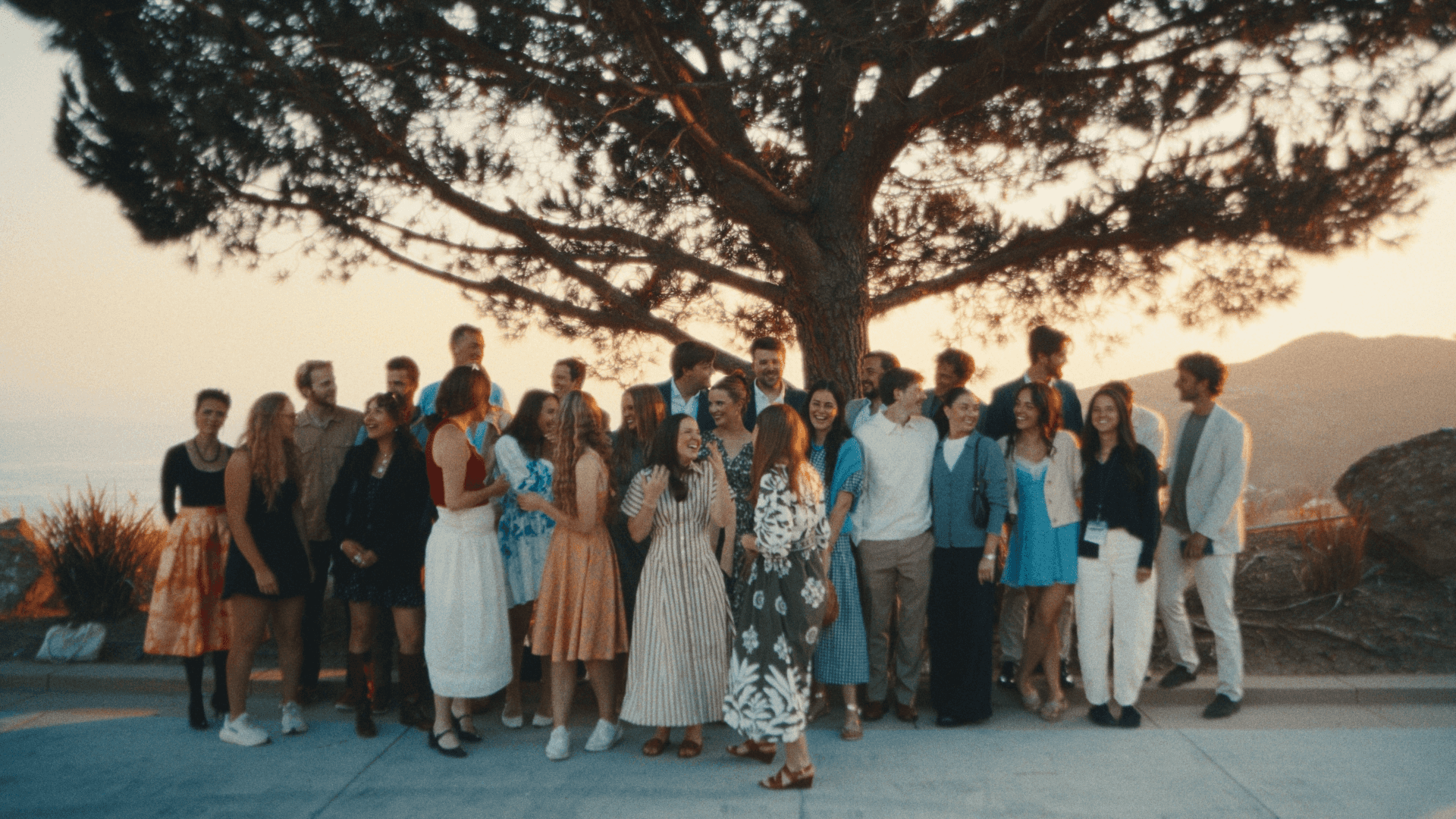
More Than a Résumé: Classical School Graduates on Who They’ve Become
Classical school graduates reflect on who they’ve become and how their education formed them in mind, character, and a lifelong love of learning.

Not All ‘Classical’ Schools Are Created Equal
The most consequential differences are often the least obvious.

Something Bigger Than Myself
In Sarah’s words, her teachers taught her “how to know what’s right and how to do what’s right.” That is what we mean when we say a classical education prepares young people for real life.