Brian Williams: Hey, folks. This is Brian Williams, host of Forged, a podcast of the Humanitas Institute about forging well lived lives of discipline, delight, craft, calling that draws the classical tradition into contemporary times. Today on Forged, I'm really delighted to be joined by marine veteran and award winning novelist and journalist, Elliot Ackerman. Welcome to Forged, Elliot.
Elliot Ackerman: Yeah. Thanks for having me on, Brian.
Brian Williams: So in his five tours of duty in Iraq and Afghanistan, Elliot received the Silver Star, the Bronze Star, and the Purple Heart. He writes for The Atlantic and my favorite, The Free Press. He's written, I think, by my count, some 10 books including memoirs, geopolitical commentary, several novels, the latest of which, if I'm right, is Sheepdog, which I'm reading now. But Elliot first got my attention with a series of articles he wrote for the free press called A Man Should Know. It's a series, a man should know how to, and then each of the articles.
Its tagline describes it as a column about how today's lost boys can become tomorrow's good men. That's That's something we care about here on Forged a lot. So Elliot, let's start with the column itself. Just tell me the the background. How how the series come about?
Like, why did you what was the felt need for this series?
Elliot Ackerman: Oh, the series came about I was at a party, and Barry Weiss, the founder of the Free Press, and I are you know, we're old friends. And so I saw her at this party, and I was wearing this suit. And she was like, that's a great looking suit you're wearing, Elliot. I was like, yeah. Thanks.
And I and I showed her, you know, this suit was actually my father's suit. My father passed away. He passed away recently, but he was he was a banker for most of his life in finance. He was always a very well dressed guy. And when I got out of the marines, I was about to turn 30, and I was going to work at CIA.
And I would be wearing a suit to work for the first time ever in my life. And he basically said, well, you know, congratulate you on your new job, son. Like, why don't you go into my closet? You know, we're, like, somewhat similarly sized. He's like, pick out three suits, and we'll, like, take them down to tailor, and we'll get them just you know, we'll get them taken in just for you so you can wear them.
So I still have those suits. And those suits were, like, you know, beautiful suits. They were, like, cut in the nineteen eighties, and I still wear them. And so I sort of was, you know, telling that story to her, to Barry. And she was like, oh, cool.
Like, would you write write a column? I'd love for if you just, like, didn't know, instead of doing your normal foreign policy
Brian Williams: Mhmm.
Elliot Ackerman: That you know, would you just like, you should write a column, like, why a man should wear a suit? So I wrote that one column and, you know, received a pretty positive response, and they enlisted me to do a whole series of columns on all the other little things that, you know, a man should know.
Brian Williams: Okay. Oh, that's that's great. So tell us some of the other article titles to just introduce people. So what what did you I mean, you must have had 50 things you could have written about.
Elliot Ackerman: Yeah. I, you know, I think I I I kept it, you know, specific both specific and broad. I mean, you know, one of the columns is, you know, how to own a nice watch. You know, like, I have this watch. It's a it's a Rolex Explorer two I bought in 2006.
I've worn this watch every single day for twenty years. I've worn this watch to war, to wars I've fought in, to wars I've covered as a journalist. I was wearing this watch the day I met my wife, the day my children were born. You know? So sort of that column is, yes, it's about watches a little bit, but it's also about how do you imbue items with value that you can pass on to the next generation that will have meaning.
One of the columns is about friendship. Just like, you know, how do you make and keep a friend? Yeah. And oftentimes, you know, the way men and women approach friendship is a little bit different. An example from that column is like, you know, you might have noticed this, but, like, oftentimes men, when we're hanging out together, you know, maybe we're, you know, running or fishing or playing video games.
You name it, men tend to spend time together side to side, shoulder to shoulder, whereas women like to spend time together sort of face to face. And so that column is just sort of more of a reflection on, like, you know, what are the ways in which you can be intentional about how you make friends and keep your friends as a man? And I think that word is actually sort of the word that shot through the whole series is that, you know, by by any any person, but men too, by living with intention, you know, if we live with intention, it allows us to have to to live sort of, you know, better, more joyful, more fulfilled lives. So it's sort of taking parts of living and breaking that down. Because I think it's, you know, it's having a plan.
You know? Like, you wanna have a plan. You wanna it gives you know, you're sitting here. You're wearing, like, a great looking suit. You know?
You could be wearing your sweatpants. You know? But it's know?
Brian Williams: To go buy some, but you're right.
Elliot Ackerman: I couldn't be. Right. And that's just about, you know, like, taking pride in the things that we do every day. You know? Like, if, you know
Brian Williams: Yeah. Why do you think that gives us gives us meaning and purpose? Because I just thought your tagline was interesting. A column about how today's lost boys can become tomorrow's good men. Mhmm.
So I mean, it kinda I mean, it's obviously it's assuming today's there are today's boys who who are lost. I was just looking at a big study. I've got it here, the Institute for Family Studies, a huge report that just came out on America's demoralized men, and it's like a 200 page report, but you're suggesting that some of these would come across at first as kind of simple forms or simple patterns given kind of meaning and significance.
Elliot Ackerman: Well, I think that the actually, because I'm sure you know how the sausage is made in publishing. I actually didn't write that tagline. The the publisher wrote the tagline. My editor did. And and I and I very much agree with her.
I think it's a good tagline. So I just want to I don't wanna take necessarily credit for it, but I think showing that is important because she wrote that tagline as a woman. And I think that, you know, one of the things that that is just overwhelmingly true is that, like, if you know, everyone should care about creating good men, you know, even the the the most staunch feminist because the greatest thing for women is having good men. And I think there's been this attitude that's seeped in, I don't know, over the last five, ten, or fifteen years, which is sort of like, no. No.
No. Like, you know, men are men are culturally dominant, so we don't need to speak with them with intention. They're already spoken for. We'll speak to everybody else with intention. And I and that's a that's a really bad trap.
Mean, you're gonna raise some very feral men if you don't you know, some some feral boys will become some bad men if you if you take that approach. So so I think a nice way to begin that conversation about intentionality is just with the little
Brian Williams: Yeah. Hey, so when I was thinking about it and looking through your list, it struck me that guess here's my question for you. I'd love to hear you reflect on. The things you're describing, many of these forms and patterns, they require moral virtues of some sort. Here I was thinking to say thank you requires humility and gratitude.
To be a friend, sacrifice and love. How to care for something of value to pass it on, you know, responsibility. How to host, that's hospitality and generosity. In your mind, I'm just wondering if you saw that connection between the internal moral virtues and these external forms and which direction you think the action goes. Right?
Is it like I cultivate the virtues and then I do these things naturally, or is it I I adopt these patterns and they help me cultivate these kind of internal this this character?
Elliot Ackerman: No. I mean, listen, it's great to hear you say that because that's not how I look at it looked at it, but you put words to exactly what the column was doing, which is taking, you know, big words like, you know, generosity or even virtue itself and showing how they are applied through very, very simple and obvious gestures. So sometimes the big words can feel inaccessible to us, but when we break it down to this is this is all it takes, buddy. All you gotta do is,
Brian Williams: like Yeah.
Elliot Ackerman: Someone invites you to dinner, just say, whatever. Thank you note, man. Like, that's, you know, that's grace. Like, that's you. Congratulations.
You have exhibited grace. Like, oh my god. Yeah. That's right.
Brian Williams: That's right.
Elliot Ackerman: Yeah. It's that easy.
Brian Williams: Yeah. Yeah. And you've practiced it, and so then, you know, as Aristotle or whoever will tell us, you know, you practice it once, and then you habituate yourself to it, and the next time, it's easier. And the next time, it's easier. Then the fifteenth time, you don't even think about it's not it doesn't take an effort.
You just grab a thank you note, you write it, you pop you pop it in the mail. Right? And then you're you're cultivating gratitude. Yeah.
Elliot Ackerman: And I think with the selection, at least the selection of the the the topics, you know, you know, there's about ten ten or 10 or 11 columns in the series. It was more I'm just making a list of, like, sort of, you know, what are the little things that I do that maybe I recognize are a little bit specific, like, specific to me, but I get, like, so much value out of and I'm seeing have, like, a big impact. And I was just like, you know, yeah. Like, okay. My watch, my you know, the suit I mentioned from my father that I still wear, writing the thank you note, you know, going on the run with my friend who's my best friend, and we run every two weeks together.
And, like, that's a big thing for me. Like, and just going down the list, I mean, like, what is the meaning of these gestures? I think for, you know, for for anyone, but for men sometimes who can feel a little lost, if you start with the little things, you'd be amazed at the progress you can make.
Brian Williams: Why do you think we have this generation Barry Weiss' tagline of lost boys? Is this a new phenomenon in your mind to us that guys growing up who don't you know, some of these forming habits and forming patterns?
Elliot Ackerman: Yeah. I think our I think our culture, you know, went and missed in the last ten years, ten to fifteen years, and you were seeing, you know, the young you know, the the boys are now young men who kind of grew up in that environment where it was considered taboo to speak with intention to a young man, you know, a young heterosexual man about, like, hey. What does
Brian Williams: it mean
Elliot Ackerman: to be a good man? You know? Like, that was not a common conversation anymore. And I believe listen. I believe and I'm a parent.
I believe every child or young person needs to be spoken to with intention about who they are on, like, almost an identity level. So if you're like the you're a girl, great. You're a trans kid, or, like, someone needs to say, like, okay. How do you be you and give you some examples? And for minority groups and for majority groups.
And so if what happens is there's no, like, you know, lacrosse coach in the kid's life who could be like, hey. Come here, knucklehead. You're not being a good man. Yeah. Like, this is what it means to be a man, and you're not acting that way.
Like, if that conversation becomes forbidden, then first of all, you're creating a massive vacuum, and all sorts of stuff is gonna seep into that vacuum. And so I think it's important that positive voices fill that space, and so I'm hoping
Brian Williams: it's Otherwise, be that a little young men are making it up as they go along. Right? And the only other kind of influences they have are other young men.
Elliot Ackerman: Yeah. Or or Like in the same. Or, like, really toxic. I mean, there's a lot of Oh, yeah. Garbage and toxic manosphere stuff online.
That's a lot of just sort of chest thumping, you know, posturing.
Brian Williams: Yeah.
Elliot Ackerman: So, you know, it's either it's either other real men who don't know or just sort of the loudest, most obnoxious voices that our culture seems to amplify.
Brian Williams: Yeah. Hey, Elliot. Have you ever read Homer's Odyssey? Do you know this this epic 2,800 year old story?
Elliot Ackerman: I've heard of it.
Brian Williams: Yeah. Okay. That's good. I don't know if you I I I teach it every fall. Yeah.
And so while I you know, your tagline is about how today's lost boys can become tomorrow's good men. That story has always been fascinating to me because I don't know if you remember it. The first four books of it, so the first one sixth of the story, are about this 19 year old boy who's grown up fatherless, and as the story opens, he's trying to find his way in an adult world, and he's uncertain. He's hesitant. He's not well spoken.
He tries to insert himself into adult life, and sometimes he comes on too strong. Sometimes he breaks down weeping. He yells at his mom, and the only people around him influencing him are these, what I call a frat house of guys who are partying all day long. You just look at him and you realize, oh, yeah, what Telemachus, Odysseus' son, didn't have is somebody there to show him how to be an adult male in that world, and it's not until some of his dad's friends come along and help him or he sees some of his dad's friends in a well ordered society, he meets another young man who's been well formed, that he begins to then take on shape in his life. It's just fascinating, like a total window into what we're seeing.
What you just described for the last ten years here, it's what Homer seemed to see in the opening of The Odyssey with Telemachus. It's just fascinating parallels.
Elliot Ackerman: No. I I I I I I agree, and I and I think there's also been you know, fathers obviously play a huge role in this. They're just older male male role models on an individual level. You know, but also, like, all male spaces. You know?
Yeah. Appropriate like, you know, the right ones, the, you know, Boy Scouts, sports teams. You know, for me, it was like the Marine Corps. I mean Yeah. You know?
Yeah. And as a even as a parent, I I've really seen the value in I have both boys and girls, but in my boys' life of having those sort of all male spaces and and how they aren't toxic. You know, my one of my sons goes to an all boys school, and the head of his school says, you know, the greatest one of the greatest compliments I often get is people will meet our boys, and they're so, like, thoughtful, kind, respectful, and they will say, can't believe this is a kid that goes to an all boys school because they have in their head Right. This sort of fratty character of it. Free for all.
Yeah. Free for all. And it's like, no. This is what you get when, you know, these guys are in an institution that has positive modeling on what they're trying to become. Yeah.
And you ever and everybody needs that. And everybody needs that.
Brian Williams: Totally. Totally. It's also fascinating, you'll forgive me just because I'm a student of history and the long tradition. There's a great work in twelfth century by a guy that runs an abbey outside Paris, and it's on the initiation of novices. It's basically like an all boys school for teenage boys who come to his abbey, and he writes this book on the initiation of novices, and you think it's going to be on prayer and fasting and worship.
It's not. It's about how to dress, how to comport oneself when you're eating, how to walk across the lawn, how to look somebody in the eye when you're talking to them. Mean, it's all of these kind of normal things that you think, oh yeah, these external forms, just like we're describing, kind of give you some shape. I think there are tons of examples of this. So yours your your series of articles for me comes in a long line of, like, you know, classic and medieval literature about how to do this for young men.
Elliot Ackerman: Well, you I mean, there's a great I mean, when you go into the military and the Marine Corps, I mean, the first thing you learn how to do is not how to, like, you know, set up set up the final protective fires in a machine gun position. I assure you, that is, like, the last thing you learn how to do. The first thing you learn how to do is, you know, you know, iron your uniform, wear your uniform, shine your shoes, make your bed, all those little things. And there's a great speech recently the commandant of the Marine Corps gave, a guy general general Eric Smith, and he's talking about the ribbons on this uniform. He says, you know, do you know why my marksmanship badges are set one eighth of an inch beneath my ribbons?
He said, why? Because we say it's one eighth of an inch. It's not a quarter of an inch. It's not half an inch. It's one eighth of an inch because when you're sending up that machine gun's final protective fire, on an azimuth of 247 degrees.
Not two hundred forty eight degrees, two hundred and forty seven degrees. Because you're interlocking fields of fire, like, it's this idea of the attention to detail that, like, you can only do the big thing by starting with a very little thing. And that's where it all begins.
Brian Williams: Yeah. No. That's great. So who helped young Elliot Ackerman learn some of these kind of things? I mean, obviously, you were shaped by the Marine Corps, which is appropriate.
Sounds like your dad helped you learn some of these kind of things, but what was young Elliot Ackerman like?
Elliot Ackerman: Well, I had a great I I, you know, I had a great dad and, you know, a great mom, so I'm I'm lucky in in that respect. But when I I was not always the young the upstanding citizen you see before you today. So, you
Brian Williams: know I wasn't always wearing a suit either Yeah. I'll have to say.
Elliot Ackerman: Yeah. So the sort of the the, you know, the the Elliot Ackerman who probably was in in need of reading some of my articles when I was sort of a teenager, kinda starting around the age of, like, 11 or 12. I had, like, long curly hair, wore baggy pants that I sag, and I was a skater rat. Okay. Skateboarding was, like, my big thing all through my teenage years.
Brian Williams: Okay. And I I was a punk rock kid in the eighties.
Elliot Ackerman: Same same thing.
Brian Williams: So kinda mohawk leather, graffitied car. Yeah. The old way.
Elliot Ackerman: And I used to hang out. I grew up in London for a good chunk of my Okay. Young adult life. And then there's a skateboard spot called the South Bank. It's still there today.
Brian Williams: Yep.
Elliot Ackerman: Still there. I hung out down at the Undercroft at the South Bank, I mean, for years, and all of my friends used other skater kits. And that was very that was a very important and seminal experience for me, particularly later on in my military career because it taught me at a young age, like, how do you roll and and exist in these sort of sometimes very tribal male cultures?
Brian Williams: You know, like, how do
Elliot Ackerman: you handle yourself at 13 at the skate spot with the locals and get the locals to think you're cool and you can hang and then become a local yourself. Like, that is a social real social journey, and I'm very grateful for it because it gave me the tools later on, you know, when I'm, like, 26 years old and Yeah. Showing up in my, you know, first special operations unit, and my team sergeant is Willie Bare Knuckle's parent from South Boston, you know, gunnery sergeant. I've gotta convince him that, like, you know, I'm the captain, and he's, you know, the gunny, and that we're gonna get along and have a good working relationship. So so I was very lucky in that, you know, those Yeah.
Intermale dynamics were great in the skateboarding world. And, you know, then you're kind of you know, for young people, like, they raise each other, and that's a big part of it too. As a teenager, was raised by the guys I was with.
Brian Williams: Were there patterns or habits at home that you've carried on in your adult life? Because I'm always fascinated to talk to people and hear some of their journeys, like, yeah, I learned this at home, or some of the things that we did at home. They have sustained me over the course of my adult life. Habits, Were patterns, practices that were part of the Ackerman home?
Elliot Ackerman: I think the one thing I will say that I give my my parents a lot of credit, this isn't a specific pattern, it's more just a kind of a life philosophy, is they were very very zen, very open to, you know, you're gonna be who you're gonna be. So, like, I was sort of this color outside the lines. I was you know, my report cards was usually like a couple b's, some c's, not great. I have a brother who's two years older who's a he is a goodwill hunting smart level mathematician. He's a logician today, and we're very close, but very different.
So he was Yeah. Straight a's, valedictorian, captain of the wrestling team, went to Harvard. So that was not a a lot to follow-up, man. Was younger brother with an older brother two years ahead too. That's a lot to deal with.
And we're very different. We've never been competitive Yeah. Truly, for because we're just very, very different people. But what I give my parents enormous credit for is, like, I never once felt like they were prouder of him than they were of me. And that and that posture of, like, you know, it's, you know, it's like young people kinda, you know, come into being they need guidance, but they do come into being in their own time, in their own way.
Like, you would never make a a little a baby feel bad about the fact that its teeth came in six months late. You know what mean? Like, your teeth are gonna come in when they come in. They will come in. Yeah.
Yeah. So I think they had enough faith that's, you know, someday he's not gonna, like, be wearing the baggy pants and have the huge hair and
Brian Williams: That's right.
Elliot Ackerman: The seas. So, you know?
Brian Williams: That's right. Totally. Mean, I'm a I'm an educator, so I always say, hey. Play the long game with your students. Right?
Just like you do with your kids because you're like, you you don't know who they're gonna be or where they're gonna be ten years from now.
Elliot Ackerman: So yeah. Sometimes it takes creativity to see the sort of little, I mean, slivers of genius. And I give my parents credit this, and I try to practice with my own children is, you know, the thing they saw me is like Yep. Yeah. Elliot's, like, out the door, and he's, like, out in London, like, with all these friends and doing stuff and, you know, a whole existence of his own, you know, creation, and they could see the value of that in my development even if it didn't translate quite as neatly on, like, a high school transcript at the time.
Brian Williams: Yeah. And and and and fair enough. But I think sometimes it's somebody like your parents, but I can think of two people when I was a teenager going through whatever I was going through, who were just present and loved me and encouraging and said, you know, things like, I I I love who you are and how you are, or I love how you think. And, you know, mean, I can I can live off that capital for a long time, and I'm still those are still very memorable moments for me?
Elliot Ackerman: And to put a word out, I think it's just acceptance. You know? Yeah. Like, if someone's really operating in good faith, like, then you give them you know, then you, you know, you give them that acceptance. And and then you you hold the standard.
Like, my household, you know, they were but, like, if I was twenty minutes late past curfew, like, you better believe I was gonna hear about it. Yeah. I spent a good portion of my junior year of of of high school, I
Brian Williams: think, grounded for being those twenty minutes late or for whatever else I got up to. So yeah. Yeah. Those kind of norms. Hey.
I'd love to ask you about a few of the a few of the topics you you covered in in your article series. Several that just resonated with me that you mentioned earlier. I'd love to reflect with you on the importance of friendship for guys. I wondered, like in the tagline, it's kind of pitched towards to help lost boys become good men, but with friendship I wondered, that one is almost pitched towards guys like you and me are not teenagers anymore, and we are outside of the context of the skate rats on the South Park. We're outside of the military.
We've got families. We've got professional lives. And it seems like friendship for us lots of times, in my experience, is much harder than it was when I was 18 or 22 in school or hanging out somewhere.
Elliot Ackerman: Totally Is
Brian Williams: that your experience? Right?
Elliot Ackerman: I think for adults and for whatever reason for adult men, there it it just takes an effort because there isn't the same type of institutionalization of of interaction that you have. Like, you're at school. You're gonna be with your buddies. You know? Or from you know, I was in the military.
I was with I, you know, I went to work every day with all my best friends. So and then you're you get older, and when you're out of those constructs, it just takes effort. I mean, there's there's no no other way to put it. So, you know, in in my own life, I have some great male friendships, but every single one of them, even the ones that I've had for decades, we remain friends in that way because I make a point. I call those guys up.
You know? They call me up. We say we, you know, we we have, like, different activities. You know? I've I've one friend who he and I couple times a month, like, we play either tennis or squash together.
That's, like, just what we do. We, like, play. We play a game of squash. We go have a drink after. We catch up.
I've got another great friend. You You know, he's in a very he's in a very high powered job now. And, like, you know, the only time and he's been in that high powered job forever. So the only time we really hang out is, like, very early in the morning before he goes to work. Yeah.
You know? And I I wake my ass up, and I'm there at 05:15 in the morning, and he and I go run for an hour together. And, you know, we basically act like each other's therapists. Like, I mean, we talk. Like, we have, you know, like, deep you know, sometimes on a run, I'll do all the talking.
Sometimes I'll do all the talking, and we mix it up. But, like, those are real friendships, and it's it's it's always a little bit of a hassle to be like, no. I'm gonna go. I'm gonna go. It's 05:00.
I'm gonna go hang out. We're gonna go hang out together. But, like, it's so worth it because to let you let those things atrophy, it's just it's bad for your soul. We need that.
Brian Williams: Why is it worth it? Like, unpack that. You know, for a guy, why is it worth the effort? Because, you know, I I think there's a great line I teach a a novel by Wendell Berry called Hannah Coulter, and one of one of the characters in there, Burley Coulter, he has a great line where he says, All women are brothers. I take it to me, and I've seen this in the course of my life, that women do this either more naturally or easier than guys seem to.
All women are brothers. That line is like I mean, I've seen two women who just I was I was in Phoenix recently at at a at a cafe. Clearly, two women didn't know each other, sat down next to each other, within ten minutes, they're having serious conversations together. You and I sit down next to each other in a cafe, we're probably not doing that within ten minutes because I'm probably working on on something or whatever.
Elliot Ackerman: Mhmm.
Brian Williams: Yeah. So why is it worth the effort for guys?
Elliot Ackerman: Well, think I think I mean, I think generally speaking, women also tend to communicate more directly, you know, and say the thing. You know? And I think men, you know, often it's like you know? By the way, some of these runs, it's like, not like we're bearing our soul. We'll just be, you know, talking about whatever.
We'll have like a, you know, a you know, I had I had lunch I had lunch with a friend yesterday, and he and I needed to catch up. And we spent literally we saw each other. Hadn't seen each other probably six to nine months. We sat there and talked about Iran and, like, felt like we caught up. You know what I mean?
Like know? That that's great. Like And I love that it felt like you got up. Like, you didn't talk about, like, how's your, you know, how's your how's your how's your wife? How's your kids?
Just we talked about it. That's great. Yeah. Mean, but because what you know, I'm kinda, like, within five minutes, I'm like, he doesn't wanna talk about it. Like, he's good.
He doesn't wanna talk. He doesn't wanna talk about that. I'm like, you know, I'm good. Don't need to I
Brian Williams: don't need
Elliot Ackerman: to go on to him about like this. So, like, once you know but because we spent that time talking to at a run, I know, like, if something happens to me, you know, like, you know, I can call him. You what know I mean, and be like, hey, I gotta talk to you about something real and and but, you know, so it's it's just that, you know, you have to make the investment. I think as men, sometimes we, you know, we don't wanna make the investment the same way. It just seems like work to us.
We'd rather, you know
Brian Williams: It's more effort.
Elliot Ackerman: Yeah. It's effort.
Brian Williams: It's effort. But I loved what you wrote in there that guys tend to do friendship shoulder to shoulder rather than face to face. Can you unpack that? Because I went through a
Elliot Ackerman: whole list.
Brian Williams: I made a short list of, like, my friends, and I was like, oh, man. So many of these guys is because I went on long runs with or I traveled with or I mountain biked with. But what what do you mean by that? Like, guys do friendship side by side.
Elliot Ackerman: Well, because I think it's almost it's more like that the basis of the friendship doesn't need to be that we're doing this and communicating with each other. It needs to be I just need to know that you're there. Like, if I know you're there and we're doing something, that that's it. So it's like my buddy with Iran. Like, you know, we sit there.
We you know, in this case, we weren't social. We went and got hamburgers.
Brian Williams: We were sitting
Elliot Ackerman: at table together. But it's funny, actually. And this this that shoulder to shoulder conversation came up, and, you know, out of the blue with a different friend of mine, kind of a work friend of mine who I had to see later yesterday, and he and he was making that point to me. And he noticed we were sitting at a restaurant, we were both sort of sitting like this, kind of squared off. He's like, you know, even how we sit now.
He's like, we sort of naturally do this. I'm like, yeah. Yeah. And I think it's I think there's just something in a in male friendship that what's important is knowing that the person is there, as opposed to needing to constantly do the interface of I need to know everything about you. You need to know everything about me.
Brian Williams: Yeah. Yeah. And I think that's right. And I think other guys like to I don't know. We're we're very physical creatures.
Right?
Elliot Ackerman: Yeah. We're very
Brian Williams: we live in our bodies, and so to do stuff together, and I just was like, yeah. Why are my friends with Brad Eastman? Well, it started mountain biking. And Michael Lamb? Well, we we learned about each other on on long runs.
Yep. And, you know, whoever it happens to be. So I mean, think one one takeaway there for a lot of guys who might be listening is, you know, those friendships matter and they often are cultivated by having sort of common practices or common activities together. You just enjoy each other. You you enjoy the activity with the other person.
Totally. And, by
Elliot Ackerman: like, the doing it differently is, like, is okay. This gets this intentionality. Like like, if we were to hook up at a bar and, like, hey. Let's go get a drink at a bar and meet you at the bar. Like, chances are you and I were gonna go sit at the bar together, and we'll be shoulder to shoulder having our drink at the bar.
If I was to meet, like, my wife when my wife turns, like, oh, let's go get a drink at the bar. Like, I'm not gonna go saddle up to the bar with her. I'll probably get we'll probably get a table.
Brian Williams: A table and And do this.
Elliot Ackerman: And do this.
Brian Williams: You know? Totally.
Elliot Ackerman: And that's fine. Like, that's okay. Like, it's okay. Yeah. It's okay that we do these things differently.
And I think sometimes you gotta unpack it. You know, it's like, you know, guys are like, well, I don't wanna go hang out with him. What are we gonna do? Like, sit at the coffee shop and gab about our wife? Yeah.
She's like, no. You're not. Like, just go for a run. Like, don't be, you know, don't be a recluse. She'll be happy if you just, like, went for a run with a friend or, you know Yeah.
Did whatever, like, went bowling or something.
Brian Williams: Yeah. Yeah. I I I it's interesting. Or bowling. So so a friend of ours who were a couple, she made a comment to him one time because she had seen him around his guy friends, she's like, oh, you're not yourself when you're with them.
You're putting on an act because that's not how you are with me. And I thought, oh, you know what? It's just that you don't bring that out in him. It's not that that's not who he is. It's just he needs his guy friends to to live in that kind of mode.
You know?
Elliot Ackerman: Well, it's for modes of communication. You know what mean? And that's what I think sometimes, like, as you need permission, it's like, it's just it's a different language. I mean, yes, you're you're speaking a different language. That would be like, you know, saying to someone who speaks, you know, Spanish and English that when they're speaking in English, they're not the same person.
Well, I'm speaking I'm speaking a different language,
Brian Williams: you know? That's right. That's right. In a different context. Yeah.
That's great. Do you have a moment in your life when friendship became real to you? I mean, maybe in the military when you realized, yeah, this really does this this matters?
Elliot Ackerman: Oh, yeah. I mean I mean, I think what's I think what's great is, like, a lot of, you know I think what's been very meaningful to me is many of my best friends most of my best friends are guys I was in the service with, and how a number of those guys are guys who, you know, I mean, like, worked for me, frankly. Like, you know, like, I was the lieutenant. They were the sergeant. You know?
Yeah. And now we're all grown up. You know? And or, you know, I was mentioning my, you know, my friend Willie Bare Knuckles parent from South Boston, who if I actually meet him, he you know, meeting him when, you know, I was 26 and he was 33 and was this, like, you know, twelve year, you know, force recon commando veteran. Was a very intimidating figure.
And he's like a huge teddy bear of a dude. Like, you know, my kids call him uncle Willie, you know, like, the buddies.
Brian Williams: You know?
Elliot Ackerman: Your kids don't call him bare knuckle?
Brian Williams: No. They don't call him
Elliot Ackerman: bare knucks. Yeah. So so and, you know, I could point to a bunch of, like, really dear friends in my life who I've sort of taken that similar type of journey with. Yeah. So so I think, you know, in every friendship, there's sort of a story of the friendship.
I mean, listen. In some of my know, outside of the military, like, you know, like, my book agent is someone who you know? Yeah. I'm still a client of his, and he still does my you know, helps me with all my creative life, and we're real you know, we are, you know, business partners. Yeah.
But he's become just such a great friend over the year. Yeah. And and I think we do a good job tolling tolling between the two. So it's it's nice how, you know, people can come into your life as colleagues in one context and then surprise you and transform into these, like, just fantastic friends. And when you have friends like that, you know, when you're given that gift, like Yeah.
You've gotta take care of it. It's such a mistake not to take care of it, you know, however
Brian Williams: you do. And I think a lot of us, you know, when they get
Elliot Ackerman: to be our age and immersed in career, it it can be very lonely.
Brian Williams: Yeah. Right? You can you can feel pretty isolated and pretty lonely, like you're just hitting the grind, and so I think to say, yeah, those friendships matter, they're worth attending to, they're worth putting out the efforts to, it's worth seeing each other when you can, it's it's well worth that effort for the kind of lives that I think we all want.
Elliot Ackerman: Right. And, you know, one thing I try to do, and I've sort of been I mean, it's like a thank you. You these I'll add it to my sort of pile of little things that I try to try to do is I, like, inevitably, like, I'll get pinged by someone who I haven't talked to in a while. You know? I'm not just, like, who's not in my regular cycle of, oh, I'm seeing them every month or every whatever.
Brian Williams: I'll you
Elliot Ackerman: know, someone from the past will ping me about x, y, or z. And I, you know, I always just feel like, know, yeah. Oh, yeah. And, like, how are you? You know?
Yeah. And you'll, you know? And people have said that to me, and, like, I always appreciate it. Like, how are you? Like, it just opens a little door.
It's almost like, doing great, man. You know, here's a picture of the family or whatever. And sometimes it opens a a different conversation. So I think just asking people, like, after you do interact or you know, hey. By way, how are you?
Like, how's things? Is a very powerful question.
Brian Williams: Yeah. Yeah. Very much so. I'd love to ask about the watch article too, and you're wearing your watch. And this one's a this one this one was interesting, because it's not about it's really not about a watch.
It's it's it's how to own a watch. It's not really about a watch. It's not about telling time. And, Yaron, what's the what's the article really about?
Elliot Ackerman: It's about how do you, you know, how do you how do you pass down, you know, how do you pass down an object? You know, how do you pass down meaning? I mean, oftentimes, the meaning can be in an object. But, know, how do you imbue an object with meaning and then pass it down? Which is sort of about how do you kind of, you know, create a story that that, you know, each generation can kinda carry with them.
And so, you know, in the article about, you know, watches, I talk about, you know, when I was first in the marines, the first deployment I went on was it was to Iraq, and it was during the second Fallujah battle, which is a very big urban battle, and I fought in that battle. Yeah. Had my watch, which was a Jeep kind of a crappy G Shock I bought at the PX. And when it was all over, was a little part of me was, like, sort of regretted the fact that, like, I didn't have a nicer, like, totemic watch.
Brian Williams: Like, this is the one I wore. Yeah.
Elliot Ackerman: So and then I went on, and my next deployment was pretty kind of a slow deployment. It was to the Mediterranean. And one of my buddies on that deployment was a he was our air officer, but he was a marine fighter pilot called Saints Skull, and great dude. And he was a huge like many fighter pilots, huge watch guy. And so we would sit around, board, talking about watches.
You know, he had this awesome Breitling. He'd talk about the, and he brought his watch catalogs with him and kind of convinced me and my buddy over the course of the deployment. He's like, you know, we need to do all of our combat, but we need to buy some sweet watches. Hold on. So there's there's fighter pilots on deployment, and he's
Brian Williams: got his watch catalogs with them. That's great.
Elliot Ackerman: And so we finally we pulled into Purim in Dubai, and this was in 2006. And I walked into the the the mall of the Emirates, which is the one that has, like, the ski slope inside where you can ski in
Brian Williams: the summer. Sure. Sure.
Elliot Ackerman: Yep. And it was Ramadan. And my buddy and I walked into the Rolex store when we each bought Rolexes. So and I've had this one, you know, ever since and worn it, you know, wore it to Afghanistan, wore it to Syria, wore it to Ukraine. Like Yeah.
You know? And and so now because I wore it every day, it has it has this meaning. And so I mentioned this in the article. So I've always sort of been a one watch guy for that reason because when I hand, you know, this watch down, probably go to my son, I wanted to know, like, dad wore this every day. And, by the way, he's seen me wear it every single day.
And I've always felt like this is sort of my young man, my man of action watch. And in my mind, I was always like, when I give it to him, I'll buy a new watch, and it'll be something a little more elegant, you know, probably on, like, a, you know, maybe a leather Your old man watch. Strap. Your old man your old man of leisure watch. And so I'll buy that, and then I'll wear that with my old man watch.
And that was my plan for a long time, but it seems to be unsatisfying because I actually really love watches love and the idea that I could, like, own more than one watch. Oh, yeah. Do you have watch catalogs? I I look at watches all
Brian Williams: the time.
Elliot Ackerman: I think they're beautiful. I know a lot about watches. So I was like, but then I'll never be a guy who can have a watch collection. And so I'm I made myself. And my carve out is I'll get my old man's watch.
But then when any of my children have a grandchildren, I, as old Pappy, will go down, and I will buy my buy myself a new beautiful watch, and I will engrave the name of that grandchild on the back. Oh. I will wear that watch until I die. And then when I die Got it. I'll divvy that up to the grandkids.
They can have the watch collection. So that's my carve out.
Brian Williams: Yeah. That's right.
Elliot Ackerman: But but what Yeah. Whatever your my point is, whatever your little you know, that's my little Rude Goldberg machine of meeting that I've created with my watches. So you can buy more watches. We see the justification. I mean, what yeah.
That's you're you're
Brian Williams: pretty Whatever
Elliot Ackerman: it is. Like, whatever whatever you dig, whatever you're into, maybe it's art. Maybe I don't know. It's, you know, it's you know?
Brian Williams: Yeah. For me, it's art. I'm an art collector, so I collect a lot And, of you know, and I have yeah. Many times I've thought, well, what happens to all this? I'm just looking around my office.
I've got lots of pieces is is around me. Like, what happens to this? And I think, oh, well, some of this will go to my kids. Yeah. You know?
And I buy them art for their rooms. I've got a couple kids that appreciate it, maybe one that doesn't. Yeah. But maybe she will at some point in time because it'll be dad bought that piece
Elliot Ackerman: For you.
Brian Williams: For me in my room, and we've all lived with some of those works of art in their rooms, but they will have grown up with those works of art on the wall.
Elliot Ackerman: Absolutely. And it's a joy. Know, like, my my wife collects she collects photography. And Okay. And and has done so since she was about 19.
And has some and has some really great pieces
Brian Williams: I bet.
Elliot Ackerman: That have been in our home for years. And Yeah. You know, and and and I can very much feel her in those pieces. And and I feel like when I look at some of them, like the ones she, you know, bought when she was 26, like Oh. You know, I feel like I I can I imagine 26 year old buying this thing, the 26
Brian Williams: year version of the buying this? Do mean by that? You can feel her in it. You mean you mean like like these are these are pieces that your wife bought before you knew her, maybe?
Elliot Ackerman: Yeah. Before I knew her,
Brian Williams: and I'm like, I can this. Imagine like
Elliot Ackerman: I can see you I can see you at twenty six Yeah. Seeing this and feeling like, gotta have this. How do I figure out how to buy this? You know, I wanna buy it.
Brian Williams: What's what's your wife's name?
Elliot Ackerman: Lee.
Brian Williams: Lee. Alright. So you've got like yeah. So they kinda presence 26 year old Lee.
Elliot Ackerman: Lee. Yeah.
Brian Williams: Absolutely. Mean, I'm looking you're right. I'm looking around pieces. One of the first pieces I ever bought that was serious art is over on the mantle on fireplace, and that was that was probably 27 year old poor grad student Brian. Right.
But I fell in love with the piece, and
Elliot Ackerman: You had to have it.
Brian Williams: There it is. Yeah. And it presences that moment. It opens a window into that moment in my own life.
Elliot Ackerman: Yeah. Because you can imagine that person, you know Yeah. Being so drawn for being drawn to that object and wanting
Brian Williams: Yeah.
Elliot Ackerman: And so you sort of have you
Brian Williams: know,
Elliot Ackerman: so it's so I think there's something to be said for, you know, as as a person has an appetite for it and the ability to, you know, like to you just invest meaning into some of these things.
Brian Williams: Yeah. And that's what it is. I mean, that's that's why I say your your article is not about a watch, and it's not really about it's certainly not about time. It it it's about how an object I mean, is this the way to say it? An object of value accrues significance over time or something like that.
Right? Yeah. And that that you pass on but why does that matter? Like, why does it matter to us to pass on a material object or to own up a material object? Because, you know, there are a of things I inherited from my mom and dad, you inherited from your mom and dad that are immaterial, right, that are character traits, that are loves, that are those kind of things.
But we're talking about the value of a material object.
Elliot Ackerman: Well, it's it's yeah. But I think it's meaning. You know, it's more just like intention and meaning. Like, does the watch, you know, matter? It doesn't as a physical thing Yeah.
Matter. It's just it it it only matters in so much as it's sort of a rallying point upon which you can be like, oh, yeah. That's who this person is. That's what they did. I have the thing.
You know, there it is, and allows me to remember. And remember, you know, remember all the other intangibles. So it's, know, it yes. It is not the thing itself, but it
Brian Williams: is But it's the thing as a locus. Yeah. That's right. That's what it is. It's a locus, isn't it?
Yeah. It's it's like a a locus or a cipher of all that significance.
Elliot Ackerman: Yeah. You know? So, you know
Brian Williams: And then that objects I
Elliot Ackerman: have with my father's suit, you know? Like, mean, I have I have so many, you know, memories of it. He's never very close, but, like, he was always, like, just a well dressed dude, and he liked his suits. You know? And I love the fact I love the fact that on, like, a couple of suits, I put that suit on to this day.
And on the inside, it's you know, it has the tailor's name and my father Peter Ackerman right there on the inside. That right? Yeah.
Brian Williams: Yeah. And that's huge, I think. My parents are still living, thankfully. I'm sorry your dad has passed away recently, so I haven't quite had that experience yet of receiving something. But those suits, I suppose, they presence your dad Yeah.
In a way for you.
Elliot Ackerman: And they presence, you know, you know, every you know, and then, you know, with my son, allows me it allows me to talk about him. You know what I mean? It kind of helps me keep the memory keeps the memory alive a little bit. You know? So it reminds me of things he taught me.
Yeah. So, again, it's not the physical object itself, but it becomes sort of almost yes. Like a rallying point to to let you
Brian Williams: But there is something too, not to not to belabor this, but there is something to the fact that your watch is not just like a plastic cup that you used for the last twenty years that you're gonna you're gonna pass on. No. Right? Or, like like, what I have is a disposable Bic pen. I mean, it's not that.
It's it's like the thing itself seems to have there's something to it having value
Elliot Ackerman: too. Like my, you know, my my son, there's a photo I have of one of the special operations teams I was in, and I Yeah. Oftentimes, I I actually don't try to put all my, you know, all that stuff up around the house. So I had it in a closet for a while, and my son found it. He's like, dad, this is cool.
Like, I want this.
Brian Williams: And he
Elliot Ackerman: took it and he put it in his room. And so he has it in his room, and it's all of a sort of you know, one of those, like, all of us sort of right before a raid, and we're all kitted out and everything. And one thing he loves me pointing out is like, it's the watch. And I've, you know, I've got this watch. Like, I'm a red eye on the wrist, and it's like and then he can touch it.
You know? And so it also, in some ways, makes a person accessible.
Brian Williams: Yeah.
Elliot Ackerman: And, like, I'm like, yeah, buddy. The watch that I make your, you know, that I made your peanut butter and jelly sandwich yeah. It's on my wrist while making your peanut butter and jelly sandwiches. It's the exact same thing in the photo of me in the raid, and I'm the exact same guy. And it's all
Brian Williams: accessible to you. My dad had, like, a
Elliot Ackerman: my dad my dad had a business career. You know? And I know when I go touch his suits, I'm like, some of the great you know, his business heroics, things I heard, you know, stories about him doing. I'm like, he was wearing this suit. You know?
Brian Williams: Yeah. Because it's a funny thing. I think my wife and I, at some point in time, realized our kids won't know us young. When we were young, we were cool. Yeah.
We were hip. We were great. But, like, our kids only know us as old. Yeah. And so these kind of things, I mean, is that maybe that's part of it too.
Like, they give our kids a window into who who maybe who we were.
Elliot Ackerman: Which, oh, by the way, gives them a way of into who they are. Yeah. You know, that's that's, like, the real thing. Like, I don't, know, do do do I don't yeah. I don't I don't care that my kids know who I am, but, like, I definitely recognize I recognize them, like, you know, when you get to a certain age and you start asking yourself, of course, like, who am I?
Like, where did I come from? The the answers the closest answers are like, well, I need to understand my parents and who they are. And you don't start to understand, and you really start to understand your parents and who they are when you get to their ages. You know? I mean, there's whole spass swaths of my parents.
I just like were a mystery to me, and then I had kids. Yeah. And I was like, oh.
Brian Williams: Yeah. Yeah. Have you ever done this? You know, I I thought, okay. How old was I when my dad was my age now?
Yeah. Like, when my dad was, you know, in in his fifties, I was like, oh man, I was in my twenties, and what did I think of my dad when I was in my early twenties and he was in his early fifties? I'm like, oh, I'm that guy now. Yeah. Know, it gave me a greater appreciation and love of who he was, and the fact that he was still trying to figure out life, I think, too.
My dad's a wonderful guy, but, know, you realize, oh, yeah. He he was still on his way and in process.
Elliot Ackerman: Yeah. And by the way, all of us are forever trying to, you know, there's no there is no arrival. There's only perpetual journey.
Brian Williams: Yeah. That's right. Hey. So on your on your perpetual journey, Elliot Ackerman, what what role have has books and and writing played for you on that journey? Because I I think have like I said, you've written, I count 10, is that right, maybe books at this point in yeah.
So lots of times we journey with books. Sometimes books give us categories to understand the experience and the journey that we're on. For a writer, I think it's sometimes writing helps you frame your experience to to understand it. But what's what's your how have books and writing played played a part in your own journey?
Elliot Ackerman: Well, I've always been a reader. Okay. So I think most writers are readers first. That's how you that's how you start. Mhmm.
And, you know, I'll say, like, particularly when I was entering the marines, I was trying to understand what, you know, what that experience was and learning about it. It was books. I mean, was books that I looked at. And a lot of it was and a lot of it was fiction. You know?
Looks like, you know, like, Jim Webb's Fields of Fire, Tim O'Brien's The Things They Carried. They sort of did a lot of reading from the, you know, the the generation at that preceded mine at war. Mhmm. And then what was always interesting to me was, you know, reading those books as, like, a 17, 18, 19 year old heading to the marines and then having gone to war, come back, and then, you know, picking them up at 26, 27, and being like, wow. There's a lot I didn't you know, I'm I'm understanding this book on a different level now.
Yeah. So I think reading has always been a way for me and a sanctuary I can go to try to understand the world. And then, you know, writing's the same way. I mean, ultimately, a lot of what I'm doing in writing and storytelling is trying to, you know, create order out of chaos and, you know, and ultimately create meaning, meaning out of experience, whether it's in fiction or in nonfiction.
Brian Williams: And for me, work like that for your own life? I mean, when you're writing a memoir and you're writing the novels that you're writing, is that not that you're processing exactly, but I do find when I think of a couple experiences in my own life where it was the process of writing that allowed me to put what I experienced in a certain category and understand it and reflect on it, and therefore really be able to, I don't know, contain it and frame it.
Elliot Ackerman: Yeah. 5000%. I mean, it's kinda like the Forrest Gump line. You know? You get to a certain point after you've written a book, and it's done, it's copyed, and it comes out.
You're like, and that's all I got to say about that. You know? I mean Yeah. Yeah. And I don't need to say more about
Brian Williams: it. Right? I don't need to say more because I understand. I kinda I got it. That's that's what I went through.
That's how I processed it. That's how I thought about it, and that's that's good.
Elliot Ackerman: Yeah. And that's what I think. So it's, you know, I so it does it enforces this sort of discipline on, you know, on their, you know, process on reflection, on honing, and what do I really think? What are sort of some of the conclusions I've come to? And by the way, those can change.
I mean, there's certainly, you know, things I've written and then have sort of evolved in my view, but it that there there is a discipline to writing that I think forces you to to be precise in your thought. So and I think the interplay between fiction and nonfiction, at least for me, is I mean, obviously, you know, in nonfiction, like, the thing has to have happened, but there is huge artistry that goes into non fiction. Like, there's plenty of how you structure something, what gets left on the cutting room floor, what images you're zooming in on. So there's a real interplay for me in fiction and non fiction. Most of my fiction, by the way, you know, I can point to my nonfiction.
There's like a road map of to, like, yeah, you see this scene in that novel that's basically reflected in this piece over here, and there's, you know, all the connective tissues. So
Brian Williams: Yeah.
Elliot Ackerman: So for me, it's just it's just writing.
Brian Williams: It's just
Elliot Ackerman: writing.
Brian Williams: So you're processing that time that you stole a set of Marie Antoinette plates, I guess?
Elliot Ackerman: Exactly. She talks.
Brian Williams: But but I'll tell
Elliot Ackerman: you but I'll tell you a story. So Yeah. I mean, you know, how this works. So my my daughter a few years ago, turned 13. And someone said to me, and I always like this idea that, you know, the first man to take her to Paris should be her dad.
You know what I mean? And show her, you know, and I show her how it's done. Like, I want the first man. You should be your dad.
Brian Williams: You should
Elliot Ackerman: be your daddy. So so her thirteenth birthday, took my daughter to Paris.
Brian Williams: Well done, dad.
Elliot Ackerman: And we had a and we had a a tour. We went on a tour of Versailles, and we're walking through Versailles, and we're going through the Petit Trenade where Marie Antoinette used to hang out, and there were some plates there. And the tour guide was talking to us about these plates and how much they were worth and how and how the the how Versailles had basically been able to repatriate them and get them back. And I was like I was like, this is real this is so interesting. And there's a whole tax scheme of how they you know, the person who gave it back wasn't exactly I was like, that's an interesting device.
I'll, just put it in my back pocket. And you know what? Totally. That's how books get written. Yeah.
That's brilliant. Oh, I'm glad to know that.
Brian Williams: Yeah. Folks who are listening, this is one of the plot lines of of Elliot's most recent book called Sheepdogs, which is a a a kind of a rollicking caper heist story that intersects with DC politics, so that's pretty fun. What were some books for you? First, have you been on Shiloh Brooks' podcast yet? Old school?
Elliot Ackerman: Yeah. Yeah. I have. And you just had Shiloh on, so I'm a huge
Brian Williams: fan Shiloh. Episode drops next week for me. What what was your book on Shiloh's podcast that you chose?
Elliot Ackerman: Oh, we chose Catch 22 Okay. Which which I love. But, you know, I mean, if you guys books that were you know, there are lot mean, god, there's so many books to talk about. So I mentioned, like, Fields of Fire was a huge book for me, war books. You know, I'm a big Hemingway fan, you know, For Whom the Bell Tolls, I I think is a great book.
The Old Man and the Sea, great book. Yeah. Carl Merlantes. I don't if you know the writer. Carl Merlantes, Vietnam Veteran.
I I highly commend to you. The two greatest works to come out of the Vietnam War, think, were Tim O'Brien's Things They Carried, and I think the ep the true the the great epic of the Vietnam War that I would put right on the shelf next to War and Peace is this book called Matterhorn by Carlos Merlantes, who took Carl forty years to write this book. Came out in 2010, and it is it is it is an epic.
Brian Williams: Wow.
Elliot Ackerman: So and Matterhorn refers to a hill in Vietnam that a company and remains have to take and then retake, and it's about their sort of journey, and it's based off of the tale of Parseval. It's actually sort loose structure of it, but it's I've got I bought that book when I was at CIA. It came out in 2010, and I was going through our training at the farm. And I was doing a surveillance training mission, which is basically where we're going through a US city. I've got surveillance on me, and part of the process was you have to, like, make cover stops to see if you have surveillance on you.
And a good place is a bookstore because you can kind of see if someone follows you in or out. So I had to go into the bookstore, and I had to buy something. And I had read the review of Matterhorn, the New York Times book review, and I bought my copy of Matterhorn. Went home that night and stayed up all night reading it, which was which was terrible for me, but that that's one of my all time
Brian Williams: That's great. All time favorites. And did anybody follow you into the bookstore? Were you being tailed?
Elliot Ackerman: I can't remember on that one if I had surveillance.
Brian Williams: That's fine. Fine. Great.
Elliot Ackerman: Yeah. So those were few.
Brian Williams: Yeah. Yeah. You know, I mean, one one of the concerns, I think, for many of us with respect to this is that there's we have a serious decline in reading culture in the world, and certainly among young men, a real serious decline in reading culture. For so many of us, think characters in my own reading life when I was a kid on who have kind of taken up lodging in my head, and they help me, they inspire me, they help me understand my own experience, they give me more to be human with, more to be a guy with, and you just wonder, what's the impact if you don't have that? If you don't have a rich reading life, especially when you're young, you know?
How does that I don't know. That it disables your ability to understand the world and your experience within it, but it certainly, to my mind, seems to make it less colorful or less rich, or maybe put you back on your own resources in ways that if you have a right? You have a stocked imagination of characters and stories, you just got you get more to work with, it seems
Elliot Ackerman: And I think, you know, I think you know, I never wanna, like, berate people for not reading because it feels like you're, like, kinda force people to take medicine. You know? And I'm like, no. I don't. This is great stuff.
Like, listen. I my I think that the the single greatest artistic experience the single greatest artistic experiences that I have ever had have been with, like, some truly amazing books. So, like, a, I would put know, like, let me just wait. If I had to read, like, a b level book or a b level watch a b level movie, I'd watch the b level movie and probably enjoy it more. But an a plus book versus an a plus movie plus book, like, there's just sort of no way to because you are creating the story.
So if you wanna you know, you can have some really just sort of knee buckling experiences reading if you get that right book.
Brian Williams: That's right. I was talking time.
Elliot Ackerman: And I talked about it with Charlotte at the right time. Okay. You know, he makes that point that it's very important to read the book at the right time.
Brian Williams: That's right.
Elliot Ackerman: And, you you know, and so I would just encourage anyone, like, if, you know, if you think you've seen a great movie that shook you and you love movies and they're awesome, like, try to find a truly great book that speaks to you because I think you will find it as even more intense of an experience and more kind of earth an earth shattering artistic experience. So, again, you know, you don't have to read like you're taking your medicine. I wouldn't tell people to sit down and, like, plod through books they hate, you know, if you're not as No.
Brian Williams: Because there's so many great stories. There's so many great books. Yeah.
Elliot Ackerman: You have great stories. You know what I mean? And because listen. I'm a huge movie guy. I write for film and television.
Like, you know, I I I I'm into stories, but the the most intense way and most kind of, like, altering way to consume a great story is through a book.
Brian Williams: Yeah. Yeah. Fredrik Biechner said reading a book is like getting an intravenous injection. He's like, goes right into your bloodstream at full force. Right?
Because you're living and dying with these characters in your head over time because books you know, movies like two hours and you're like, that was great. I loved it. I think about it. But a book, you live with, and it like folds into your own being in a way that no other art form, I think, does.
Elliot Ackerman: Well, and it's yours in many ways because you're doing so much of the work. So, like,
Brian Williams: you know That's good.
Elliot Ackerman: By the time, like, you know but I know, listen. I'm I'm a sucker for the Old Man the Sea. By the time I get to, like, the end of the Old Man in the Sea, and I'm last lion, you know, he dreams of lions. I mean, I'm, like, shook every single time. So it's like, I Yeah.
Brian Williams: I'm like, I dream
Elliot Ackerman: of lions. You know what I mean? When I get to the end. That's true. When I watch the movie, I'm like, you know, a great movie.
I know, like, like like I I know. I love Once Upon a Time in Hollywood. Think it's an awesome movie.
Brian Williams: Okay.
Elliot Ackerman: Yeah. When I get to the end of that movie, I'm like, oh, that was so great. I'm like, Tarantino's a genius. But, like
Brian Williams: Yeah.
Elliot Ackerman: And I but I haven't you know, it was his journey, and I I was just on it with him. It's like, I think I really had to do the work myself, so it shakes you more.
Brian Williams: Totally. Well, and because, like, when in a when you're immersed in a book, right, you step out of the immediacy of your own existence, you know, me outside Philly, you in New York. Yeah. You step into the immediacy of that story and you have experiences while you're reading that story that you've never had. So when you step back into the immediacy of your own life, you're a different person because you've had experiences that you hadn't had before you read the book.
Yep. So you are changed in that way, and I and I and I think that's one of the one of the reasons books are so powerful for us. Yeah. Fold that in for being.
Elliot Ackerman: Great books. But the thing but the thing that hurts both is there are a lot of not great books, and if you're reading or there are some great books that people are putting units on you're not reading at the right time. So people will have these experiences like, I don't know what Brian and
Brian Williams: I were talking about.
Elliot Ackerman: Like, I read for 10 pages and I fell asleep. Yeah. You know what I mean? Exactly. My wife shoved this book on my and I was like, I don't know what yeah.
I totally Yeah. But if you give it a try and you have that experience, it makes you you you then search for it again, you know? Yeah. Do. That's good.
Finding. You gotta search for it. You gotta do a little extra work, you know?
Brian Williams: Yeah. No. That's great. And again, I think it just gives us more to be human with, more to more to be a a guy with. That's great.
Hey, as a as a former soldier, did you ever read the book or come across the book Achilles in Vietnam?
Elliot Ackerman: Yeah. Sure.
Brian Williams: Yeah. I mean, there was a a group out of New York for a while, a theater group called the Aquila Theater Group, and they had a project called Page to Stage. And they would take classic Greek literature and then bring it to the theater. One time I saw them do this with classic speeches from Greek literature about men returning from war. Then at the performances they would have veterans show up and they reflect on this speech from Hercules about What they realized and what they helped the rest of us see was that so many of these ancient Greek plays were produced by men who had been soldiers in battle and then were performed at all male theaters, and in part it was a kind of public catharsis over what they had experienced.
Then these contemporary vets would say, Yeah, he just named what most of us go through. It just happened to be written twenty five hundred years ago in, you know, fifty three BC Athens. It it was it was really powerful.
Elliot Ackerman: Well, I think that's one of the interesting things about war, you know, as a subject in that it is this universal act that humans have engaged in since the dawn of our existence. Yeah. So, you know, it almost acts like a a control on human experience. You can kind of see that we are always the same in this activity and all the commonalities. So I think, you know, when you when you talk about even just writing about war, there are really two, you know, origin stories of war, the Er stories.
Right? It's the Iliad and the Odyssey. The Iliad is going to war, and the Odyssey is returning from war. Coming home. And all and all war stories are derivative or are in some way the child of one of those two books.
Brian Williams: Yeah. Yeah. Yeah. That's great. Well, Elliot, I could keep us talking on all kinds of things, but I do want to draw us to a close here.
But on the podcast here, we care about discipline, delight, craft, calling. So let me let me ask you some quick questions here, and then what's a discipline you've pursued in the course of your life that has sustained you?
Elliot Ackerman: I work out. I work out one hour, six days a week, and that is a habit I started in the military. It's where I have many of my best thoughts, my best ideas, so I think, you know, exercise is is important, not just for what it gives you physically, but for what it gives you psychologically.
Brian Williams: Okay. What do you do? Do you do you do you run? Do you lift weights? Do you cycle or swim?
Elliot Ackerman: I run. I lift weights. I do yoga once a week. I'm a huge you know, once once a week. Keeps you flexible.
It's good for entry Today was yoga day. Right? Today was yoga day. Today was Thursday. Thursday's yoga day.
So yeah. That's something it's a discipline I've carried with me through life.
Brian Williams: That's great. And what do you especially delight in?
Elliot Ackerman: I delight in my family and my friends. Just Yep. The young it sounds very broad, but spending time with them That's great. The perfect day for me is a day where I wake up, I work out, I go to my desk, I work all day, my work goes well. You know, I finish that I finish that up, I come home in the evening, and I have, you know, a meal with family or friends.
That to me is perfect.
Brian Williams: That's great. Alright. What about a craft? So discipline, delight, craft, calling. Is there is there a craft you've pursued?
And there's a very obvious one that comes to mind.
Elliot Ackerman: Yeah. I'll just hit my obvious one. I mean, writing. You know? It is it is a lifetime work, writing and reading and trying to get better at it.
Yeah. Precisely. I'm always you know, one of the things I love about what I do is that every time it is different. So you finish a book, you finish a project, you feel joy, you feel happiness that it's done, and then you start all over again with nothing but a blank page. You like that experience?
I do. I like it. I like it because it's this it's this process of always kind of it it renews itself. Yeah. Yeah.
And I like that about it.
Brian Williams: Yeah. Fair enough. Alright. What about calling? How does Elliot Ackerman understand his calling?
What's your calling in in this world?
Elliot Ackerman: Well, I think my greatest calling is, you know, as a a father and a husband, then as a friend, and then last in that I would say as, you know, an artist and in my books.
Brian Williams: Yeah. Yeah. So that's sort
Elliot Ackerman: my, you know, that's sort of my descent, you know
Brian Williams: Yeah.
Elliot Ackerman: You know, the descent of my calling.
Brian Williams: That's good.
Elliot Ackerman: A friend of mine says, you know, in this world, you're only remembered by two things, your children and the art that you create.
Brian Williams: Yeah. Oh, that's good. That's good. That's a properly ordered love is what that is. Hey, so I always like to ask any guests on the show if there's been a poem or a line or a paragraph from a book that's become significant to them over the course of their lives, and is there one that comes to mind for you, something that either, know, helps you understand your vocation or kind of place in the world or that has become meaningful over the course of your life?
Elliot Ackerman: I love the poem At Grass by Philip Larkin, and Okay. It is basically You
Brian Williams: have it there? Can you Yeah. Read it for us?
Elliot Ackerman: Yeah. Sure. Let me read it. Yeah. Okay.
Here it is. At Grass. The eye can hardly pick them out from the cold shade they shelter in till wind distresses tail and mane. Then one crops grass and moves about, the other seeming to look on and stands anonymous again. Yet fifteen years ago, perhaps, two dozen distances sufficed to fable them, faint afternoons of cups and steaks and handicaps whereby their names were artifice to inlay faded classic tunes.
Silks at the start against the sky, numbers and parasols, outside squadrons of empty cars and heat and littered grass. Then the long cry, hanging unhushed till it subside to stop press columns on the street. Do memories plague their ears like flies? They shake their heads. Dusk brims the shadows.
Summer by summer all stole away. The starting gates, the crowd and cries, all but the unmolesting meadows, almanac'd, their names live. They have slipped their names and stand at ease or gallop for what must be joy, and not a field glass sees them home or curious stopwatch prophesies. Only the grooms and the groom's boy with bridles in the evening come.
Brian Williams: Thank you. What what what drew you to this poem? That's a powerful poem for someone like you who has made a name for himself. But what what draws you to this poem?
Elliot Ackerman: No. I think it's about the times that we move in in our lives. And my, you know, my mother has a saying. She says that the secret to life is that you can do everything that you wanna do, but you can't do it all at the same time. So, you know, I I, you know, I talked to you about, like, friends of mine like Willie and others, and I think there was a time in our life where we very much felt like we were racehorses.
Yeah. And then you get older and you're not a racehorse, you know, you're you're something else, and that's pretty good too.
Brian Williams: Yeah. But that that line near the end, they've slipped their names and stand at ease. Yeah. I mean, that's that's that's beautiful where where you're no longer maybe making a name for yourself and it's it's you. And I love that there are two horses together there.
Yeah. Right? That sense of comfort and ease. Yeah. Well, that's beautiful.
Thank you so much. That was Philip Larkins at Grass. So folks with that, we'll wrap it up. Thank you Elliot Ackerman for your time to give us here. Elliot, former marine, CAA, and an author of many books and memoirs, most recently, Sheepdog.
So we've been talking with Elliot about moral character, social forms, and patterns. I think they give shapes to a man's life. So I'm grateful for this conversation. Thank you.
Elliot Ackerman: Thank you, Brian. It's fun.
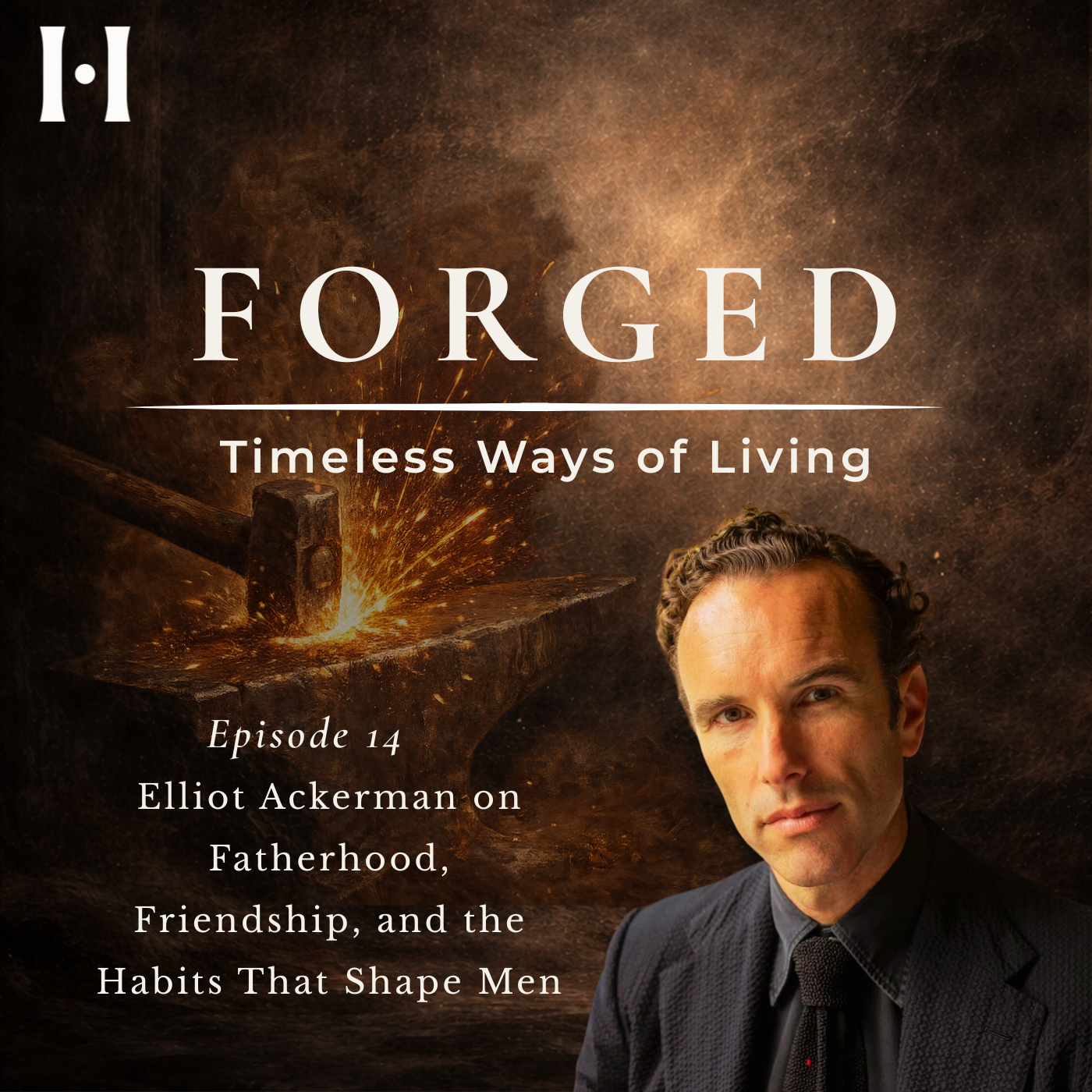
Forged: Timeless Ways of Living
Elliot Ackerman on Fatherhood, Friendship, and the Habits That Shape Men
How does a father help his son become a good man? In this episode of Forged, Brian Williams speaks with Marine veteran, novelist, and journalist Elliot Ackerman about the small habits and embodied patterns that shape a man’s life and form the next generation: wearing a suit with intention, writing a thank-you note, keeping a friend, caring for meaningful objects, reading deeply, and learning to live with purpose. Drawing from Ackerman’s series “A Man Should Know,” the conversation explores why fathers, coaches, mentors, and male friendships matter in a culture where many young men are left to make it up as they go. For fathers seeking to lead their homes with wisdom, steadiness, and hope, this conversation offers a clear reminder: formation often begins in the little things. Ackerman also reflects on the Marine Corps, the influence of his own father, the meaning carried by inherited objects, the discipline of writing, and the quiet work of raising children with both acceptance and standards. Together, Brian and Elliot consider how fathers pass on more than advice. They pass on habits, stories, loves, friendships, and a way of seeing the world.
Contributors
Guest
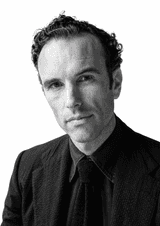
Elliot Ackerman
Elliot Ackerman is the author of the novels Sheepdogs, Halcyon, 2034 (coauthor), Red Dress in Black and White, Waiting for Eden, Dark at the Crossing, and Green on Blue, as well as the memoirs The Fifth Act: America’s End in Afghanistan and Places and Names: On War, Revolution, and Returning. His books have been nominated for the National Book Award, the Andrew Carnegie Medal in both fiction and nonfiction, and the Dayton Literary Peace Prize. He is a contributing writer at The Atlantic and a Marine veteran who served five tours of duty in Iraq and Afghanistan, where he received the Silver Star, the Bronze Star for Valor, and the Purple Heart. He divides his time between New York City and Washington, DC.

Host
Dr. Brian Williams
Podcast Host and Contributing Writer
Brian A. Williams (DPhil, Oxon) is Dean of the Templeton Honors College, Professor of Ethics and Liberal Studies, and Co-Director of the MA in Classical Teaching at Eastern University in Philadelphia. He is the founding editor of Principia: A Journal of Classical Education, speaks internationally on classical education, and serves on several academic and educational boards, including the Classic Learning Test (CLT). Previously, he taught at Cair Paravel Latin School and the University of Oxford. Dr. Williams earned degrees in theology and Christian ethics from Regent College and the University of Oxford, and his research focuses on education and formation in the Christian Intellectual Tradition. Brian is a runner, art collector, and traveler, having visited over 40 countries, often in search of sites and cities of the ancient world. He is married to Kim, a visual artist and teacher, and has three children: Ilia, Brecon, and Maeve.
Related Resources
More Than a Résumé: Classical School Graduates on Who They’ve Become
Classical school graduates reflect on who they’ve become and how their education formed them in mind, character, and a lifelong love of learning.

Not All ‘Classical’ Schools Are Created Equal
The most consequential differences are often the least obvious.
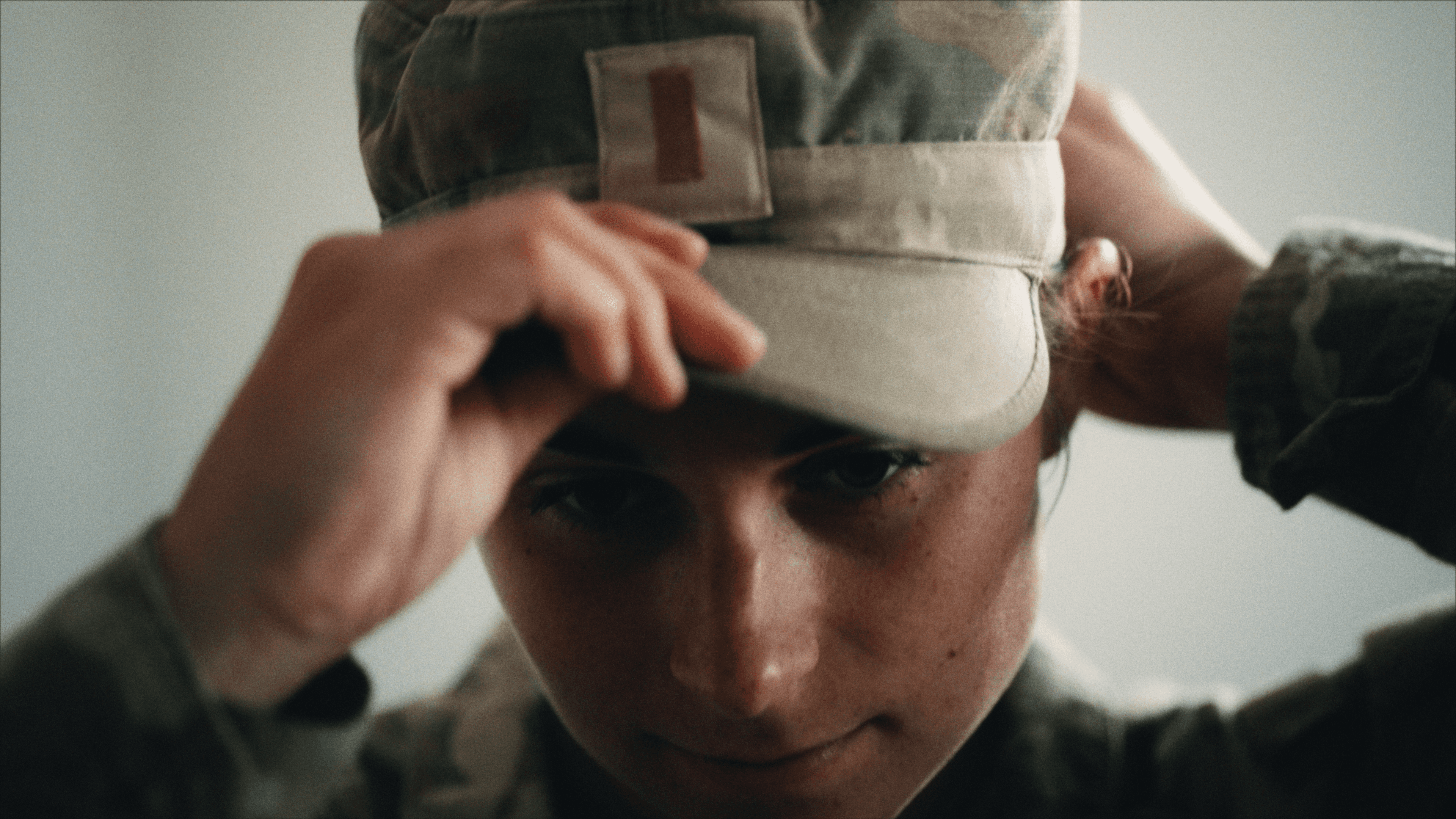
Something Bigger Than Myself
In Sarah’s words, her teachers taught her “how to know what’s right and how to do what’s right.” That is what we mean when we say a classical education prepares young people for real life.