The reading crisis is changing the conversation
During my years at TIME magazine, the newsroom had a rule of thumb: If something happens once, it’s news. Twice is a coincidence. Three times? That’s a trend.

August 06, 2026
During my years at TIME magazine, the newsroom had a rule of thumb: If something happens once, it’s news. Twice is a coincidence. Three times? That’s a trend.
August 06, 2026

The reading crisis is changing the conversation
The Fordham Institute • Robert Pondiscio
America’s reading crisis may be changing more than classroom methods; it is reopening questions about what children should know, which books they should encounter, and whether a common inheritance still matters. As confidence in skills-first, student-directed approaches weakens, the renewed emphasis on knowledge, canonical texts, and deliberate teaching points toward ideas long central to classical education.

The Fordham Institute
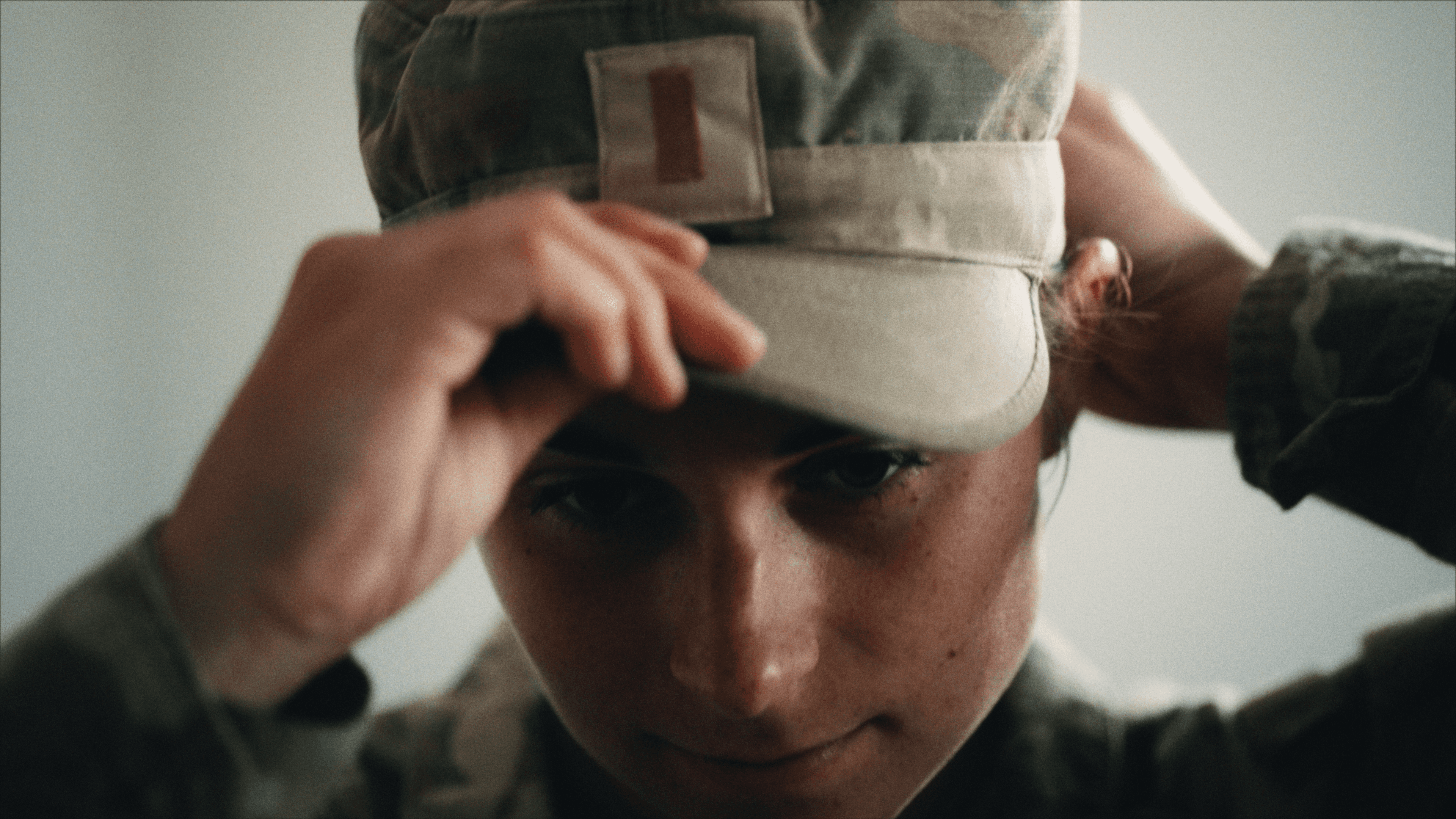
In Sarah’s words, her teachers taught her “how to know what’s right and how to do what’s right.” That is what we mean when we say a classical education prepares young people for real life.
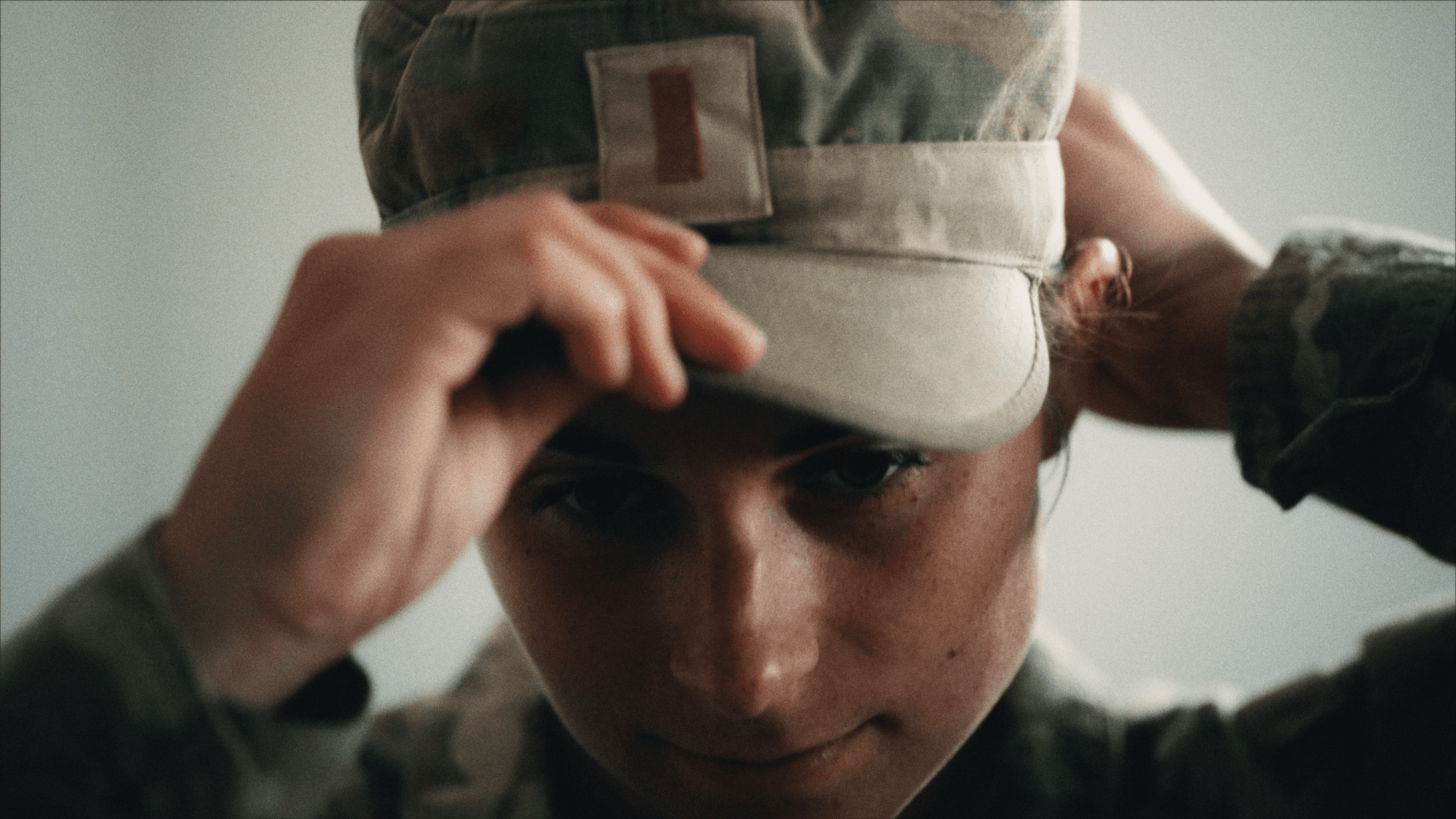
One day at a classical school changed the course of her life.
In seventh grade, Sarah spent a single day shadowing at Jackson Hole Classical Academy. She says she learned more that day than in the seven years of school before it.
What followed was an education in great books, Latin, and poetry learned by heart, including Rudyard Kipling's "If-" Years later, when Sarah arrived at West Point to train as an Army officer, she found that same poem on the walls of the barracks.
Today, Sarah is a West Point graduate preparing to lead a platoon of soldiers. Her story shows what classical education is for: forming young people who know what's right, do what's right, and give of themselves in service to others.
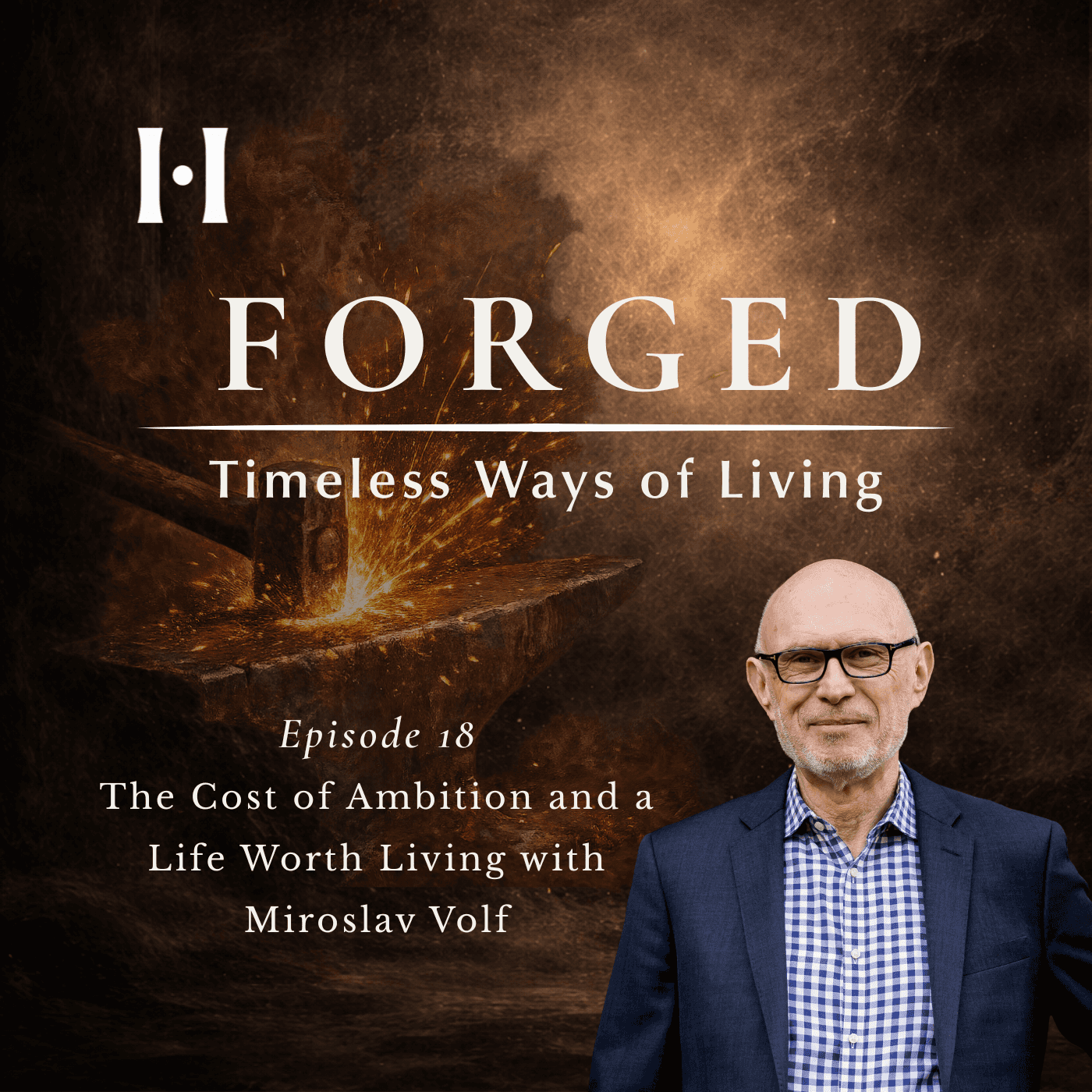
What happens when your sense of worth depends on being better than the people around you? And what changes when you stop asking how you rank and start asking what kind of life is actually worth living? Brian Williams talks with theologian Miroslav Volf about the difference between excellence and superiority, the fragility of a self built on achievement, and the possibility of receiving our lives as gifts rather than projects of endless comparison. Drawing on Life Worth Living and The Cost of Ambition, they consider education, vocation, place, gratitude, contentment, and the communities that help us discern what we are for. Listen for a hopeful account of how we can pursue meaningful work and genuine excellence without making success the measure of our worth. Along the way, Volf reflects on growing up in Yugoslavia as the son of a Pentecostal minister, discerning his calling as a theologian, the disciplines and delights that sustain his ordinary life, and the writers who have helped him think about contentment, vocation, and hope.