The One-Room Schoolhouse Is Making a Comeback. We Visited One.
“Our goal is to resurrect the one-room schoolhouse as a place where siblings and neighbors learn together,” one founder said.

August 12, 2026
“Our goal is to resurrect the one-room schoolhouse as a place where siblings and neighbors learn together,” one founder said.
August 12, 2026
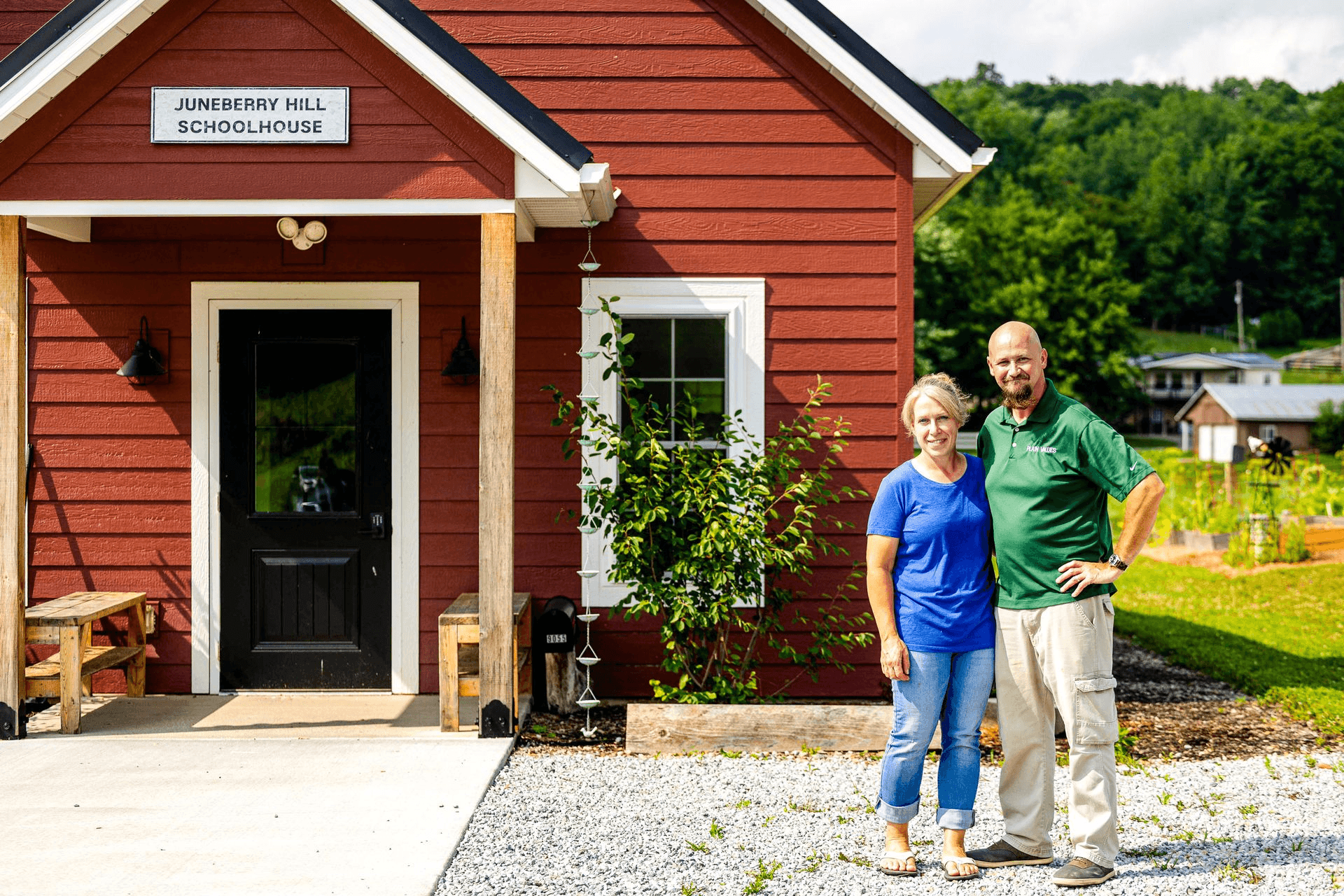
The One-Room Schoolhouse Is Making a Comeback. We Visited One.
Jeff Louderback • The Epoch Times
What if the future of education looks a little more like its past? One-room schoolhouses are reappearing as families seek smaller, more personal communities where children of different ages learn side by side through books, nature, practical work, and shared responsibility—a striking example of parents rethinking not only where children learn, but what education is for.

Jeff Louderback
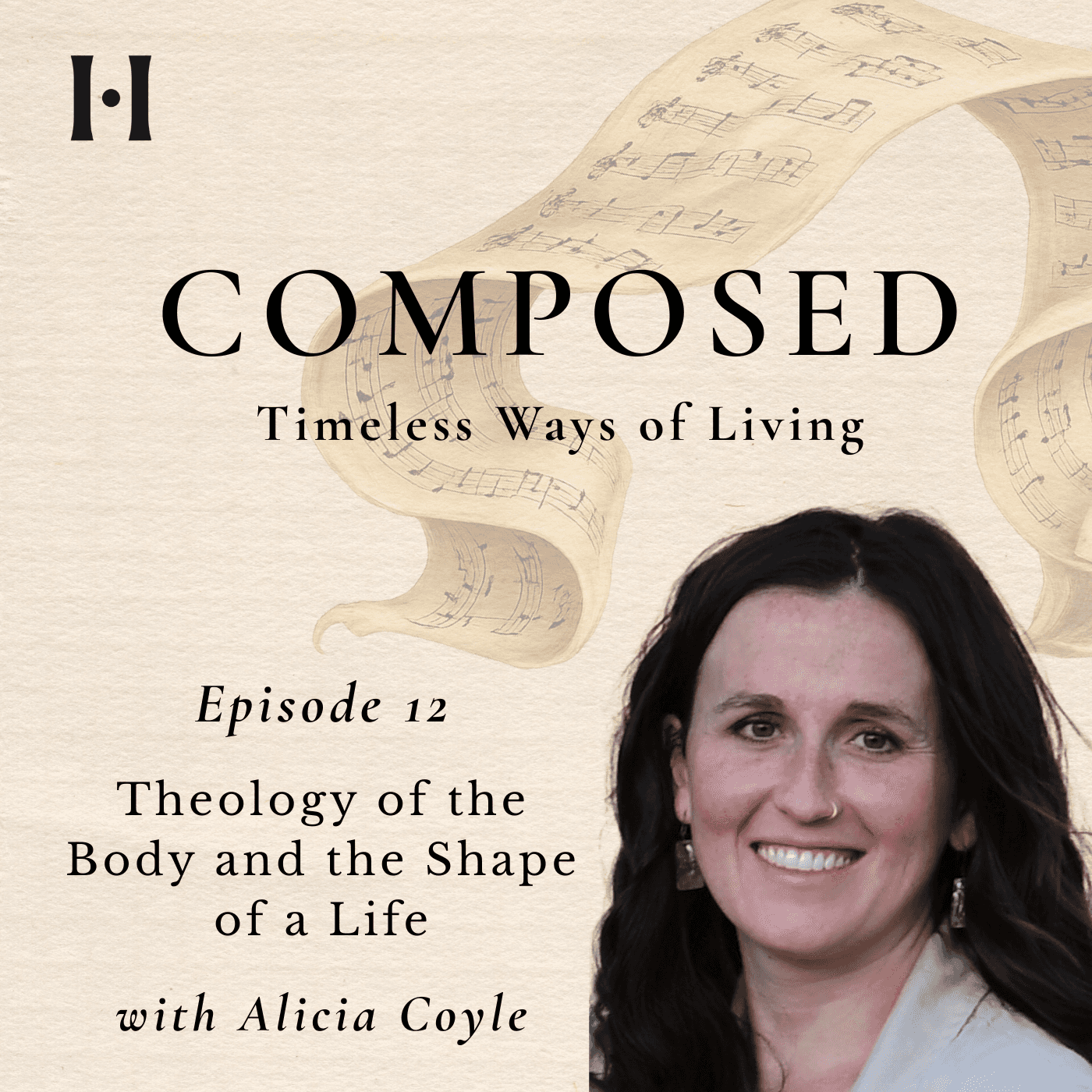
What does the body reveal about vocation and our search for communion? In this episode of Composed, Christine Perrin speaks with Alicia Coyle about Theology of the Body, motherhood, feminine formation, chastity, education, and the slow work of composing a life around gift rather than competition. Their conversation moves from John Paul II and Edith Stein to Little Women, Aristotle, Mary at Cana, and the daily patterns of homeschooling, prayer, reading, and family life. For parents seeking a wiser way through cultural confusion, Alicia offers a thoughtful vision of embodiment as something neither limiting nor abstract, but deeply human, practical, and full of invitation. Together, Christine and Alicia consider how ideas become incarnate through teachers, friendships, families, and habits. They ask what it means to see the body as meaningful, how women and men can offer distinct gifts without rivalry, and why formation begins not with rules alone, but with anthropology, wonder, and the truth of the person made in the image of God.
-1_2gMRDv.png)
What would it mean to practice festival at home, in school, and in church? In this episode of Forged, Brian Williams speaks with Father Nathan Carr about the posture and practice of festival as a way of living with joy, gratitude, and holy attention in the midst of ordinary time. Drawing from his work as priest, headmaster, husband, father, and author of Festive School, Carr reflects on Christian calendars, prayer books, school feasts, household rituals, and the slow formation of children who learn not merely to observe the good, but to receive and name it. This conversation is an invitation to recover joy as discipline, delight as formation, and celebration as a serious part of Christian life. Together, Brian and Father Carr consider how homes, schools, and churches can resist anxiety, urgency, cynicism, and suspicion by learning to inhabit time differently. From Benedictine hours and red-letter feast days to hidden Wise Men during Advent and children serving in the liturgy, this episode explores the small, concrete practices that teach us to see the world as gift.
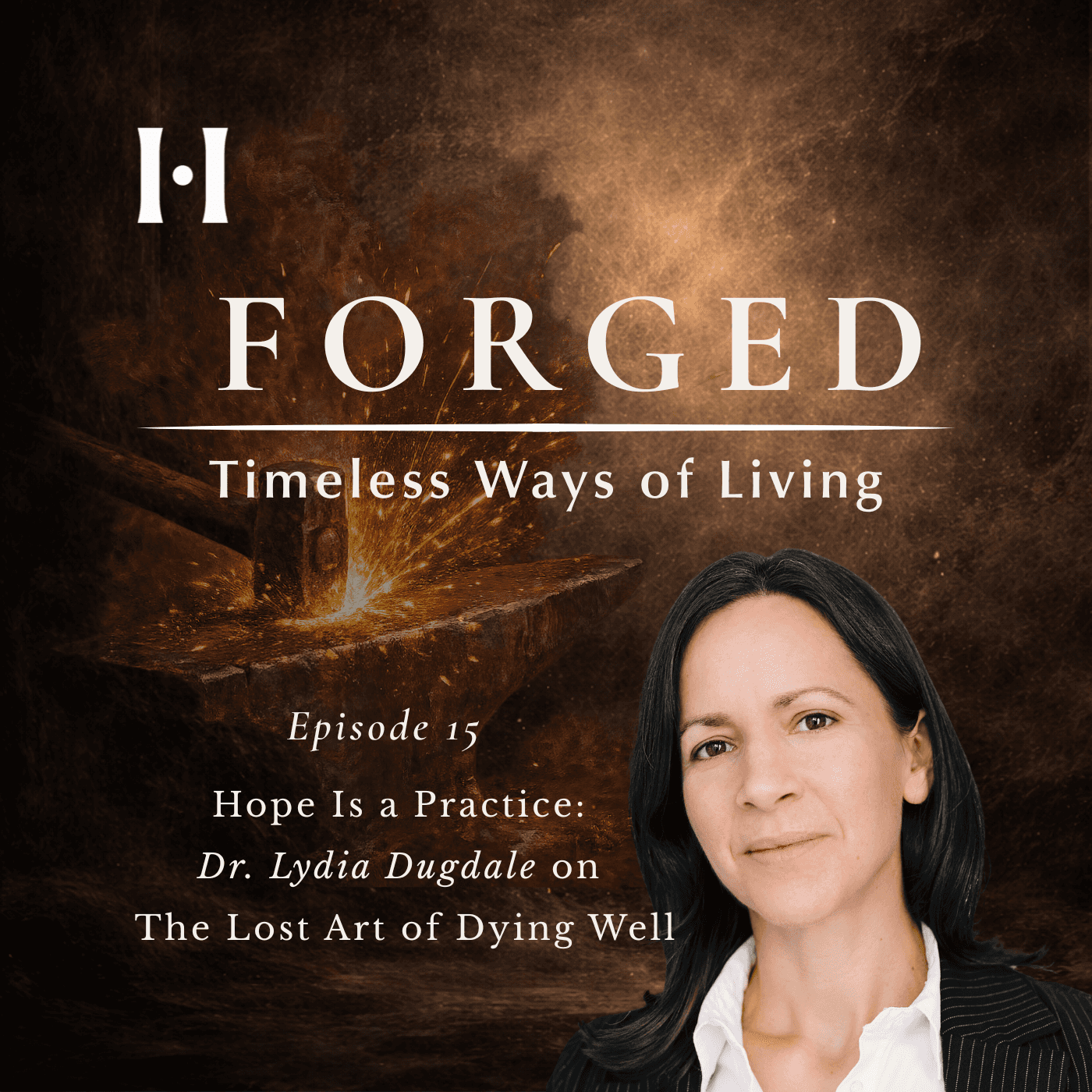
How can we prepare for death without becoming consumed by it? And what might the lost art of dying teach us about living with greater wisdom, agency, and hope? Dr. Lydia Dugdale joins Brian Williams to recover an older vision of mortality, one in which preparing for death meant tending to our relationships, forming our character, asking ultimate questions, and learning when medical technology helps or harms. Their conversation offers a practical invitation: rather than leaving our final decisions to fear, haste, or unfamiliar institutions, we can begin now to live the kind of life that makes dying well possible. Lydia and Brian discuss hope as a virtue that can be practiced rather than a feeling we must wait to receive. Lydia identifies five practices that help us resist despair: lament, endurance, imagination, confidence formed through gratitude, and the sustaining love of community.