News

Bessent Advances Divisive $26 Billion School Tax Credit Plan

The program, dubbed the Education Freedom Tax Credit, allows individual taxpayers to direct up to $1,700 of their annual federal tax bill to nonprofits that grant scholarships to students to pay for qualified educational expenses.

Erin Hudson photo By Erin Hudson

October 01, 2026

hero image

Bessent Advances Divisive $26 Billion School Tax Credit Plan

Bloomberg • Erin Hudson

A sweeping new federal school-choice program is moving from legislation to reality, with proposed rules laying out how taxpayers could help fund K–12 scholarships beginning in 2027. With support potentially reaching millions of students and covering expenses from private-school tuition to tutoring and special-needs services, the details now taking shape could have significant consequences for families seeking greater freedom in their children’s education.

Erin Hudson photo

Erin Hudson

Bloomberg

Related Resources

Video Grit, Loyalty, and Poetry: How Classical Education Shaped a Future Army Leader

September 23, 2026

Humanitas


Grit, Loyalty, and Poetry: How Classical Education Shaped a Future Army Leader

One day at a classical school changed the course of her life.

In seventh grade, Sarah spent a single day shadowing at Jackson Hole Classical Academy. She says she learned more that day than in the seven years of school before it.

What followed was an education in great books, Latin, and poetry learned by heart, including Rudyard Kipling's "If-" Years later, when Sarah arrived at West Point to train as an Army officer, she found that same poem on the walls of the barracks.

Today, Sarah is a West Point graduate preparing to lead a platoon of soldiers. Her story shows what classical education is for: forming young people who know what's right, do what's right, and give of themselves in service to others.

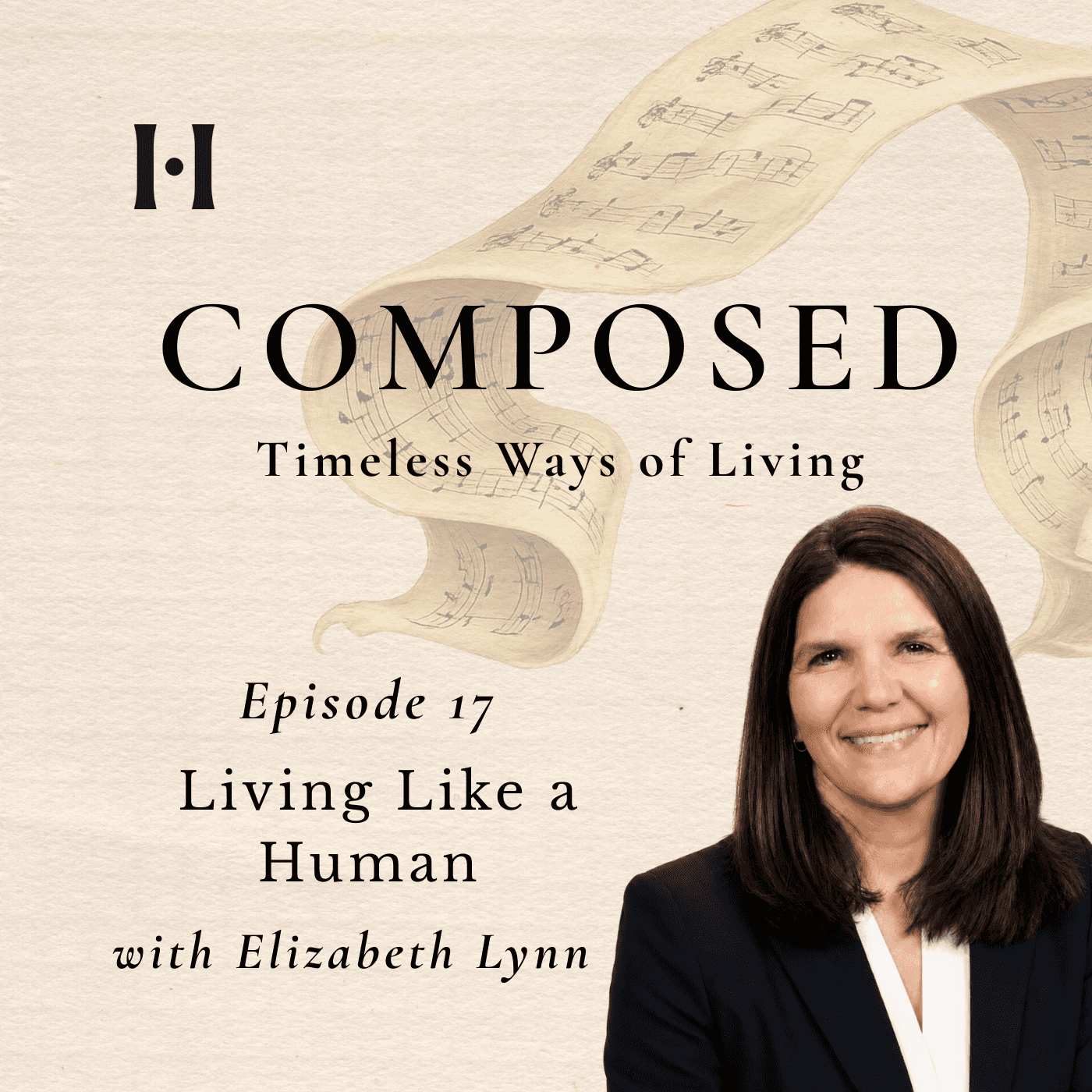
Podcast Living Like a Human with Elizabeth Lynn

August 31, 2026

Composed: Timeless Ways of Living


Living Like a Human with Elizabeth Lynn

What helps a child learn, a family flourish, or a community grow strong? Elizabeth Lynn suggests that the answer often begins with things that can seem almost invisible: order, repeated rhythms, presence, attention, and the willingness to delight in one another. In conversation with Christine Perrin, Elizabeth reflects on the “liturgy” of a classroom, the surprising gift of being known by name, and why beauty and rest depend on patterns that make room for genuine learning. She also considers the challenge many families know well: how to cultivate an inner life when the tempo of the world refuses to slow down. For Elizabeth, Scripture has become a lifelong anchor, calling her again and again toward humility, stillness, gratitude, and a life attentive to God and neighbor. Their conversation offers parents and educators a hopeful picture of formation. The small practices of showing up, praying for people by name, making room for wonder, and refusing to let busyness dictate our deepest commitments can slowly shape the atmosphere of a home, classroom, and community. It is a vision closely aligned with the Humanitas Institute’s commitment to education as formation through relationship, beauty, truth, goodness, and wonder.


Substack Teaching Children the Fruit of Longsuffering

August 24, 2026

Dr. Toyin Atolagbe


Teaching Children the Fruit of Longsuffering

A new generation of parents has arrived, people who love their children more visibly, more anxiously, and more attentively than perhaps any generation before them. They read the books, they watch for the warning signs, and they would lay down almost anything for the good of the child in front of them. Yet many of these same parents struggle to tell the difference between play and  scholé , or between protecting a child from cruelty and protecting a child from difficulty. These are not the same acts of love. One forms a soul while the other, however tenderly intended, can quietly deform it.