9 in 10 students expected to be eligible for Education Freedom Tax Credit
The nation’s first and sweeping school choice program kicks in next year, when 51.7 million students are expected to be eligible, according to a report.

July 28, 2026
The nation’s first and sweeping school choice program kicks in next year, when 51.7 million students are expected to be eligible, according to a report.
July 28, 2026

9 in 10 students expected to be eligible for Education Freedom Tax Credit
K-12 Dive • Naaz Modan
A new federal school-choice program could make nearly nine in ten American students eligible for scholarships beginning in 2027—but eligibility alone will not determine which families actually benefit. With states still deciding whether to participate and key rules unfinished, the Education Freedom Tax Credit may reshape how millions of parents pursue the education they believe is best for their children.

K-12 Dive

In Sarah’s words, her teachers taught her “how to know what’s right and how to do what’s right.” That is what we mean when we say a classical education prepares young people for real life.

One day at a classical school changed the course of her life.
In seventh grade, Sarah spent a single day shadowing at Jackson Hole Classical Academy. She says she learned more that day than in the seven years of school before it.
What followed was an education in great books, Latin, and poetry learned by heart, including Rudyard Kipling's "If-" Years later, when Sarah arrived at West Point to train as an Army officer, she found that same poem on the walls of the barracks.
Today, Sarah is a West Point graduate preparing to lead a platoon of soldiers. Her story shows what classical education is for: forming young people who know what's right, do what's right, and give of themselves in service to others.
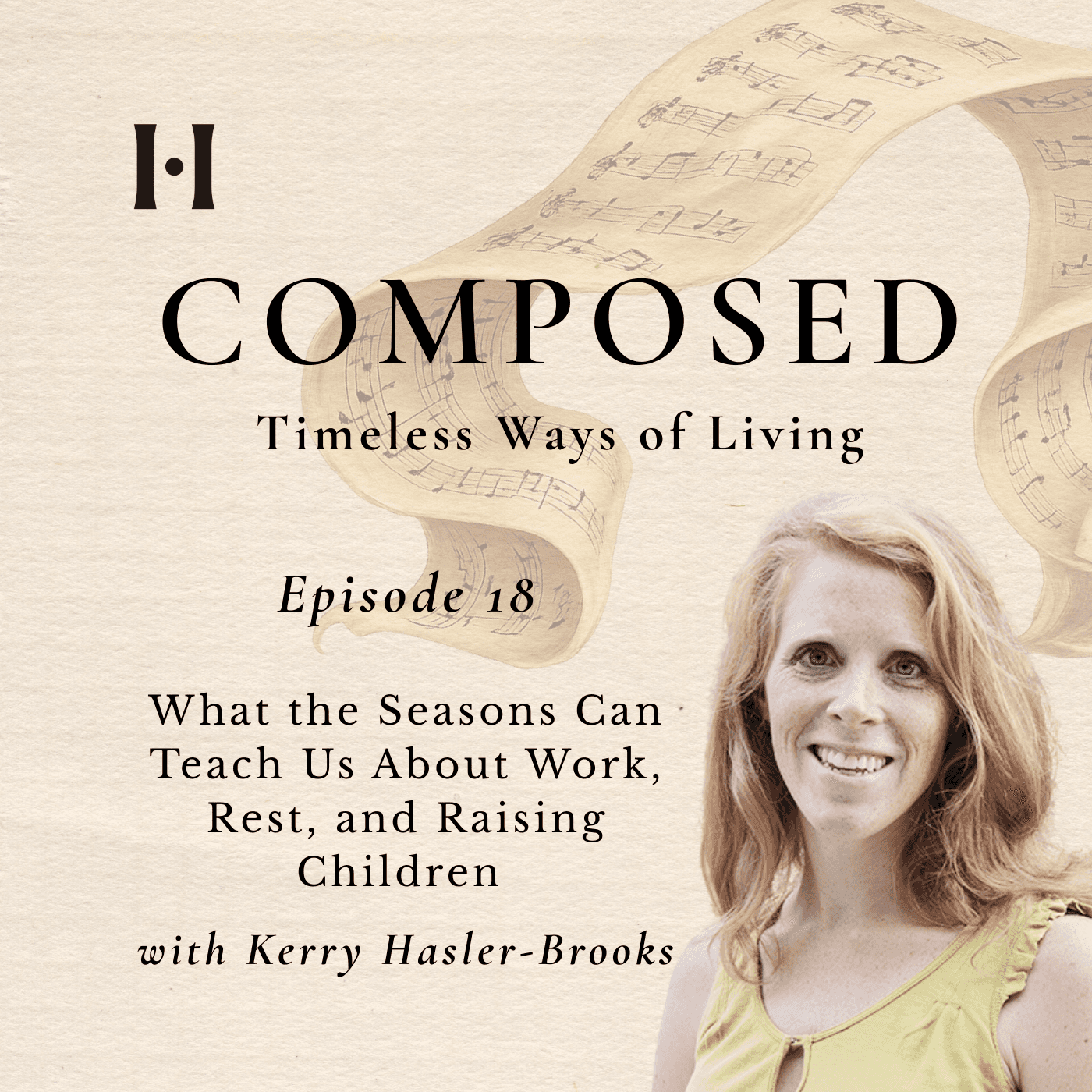
What if a flourishing family life depends less on doing more and more on recovering rhythms of work, rest, attention, and belonging? Christine Perrin talks with Dr. Kerry Hasler-Brooks about the life she and her family have built on a small Pennsylvania farm, where agricultural seasons make limits, dependence, and renewal impossible to ignore. Their conversation explores how parents can create room for boredom, Sabbath, reading, meaningful work, and life together, even without radically rearranging their circumstances. Kerry also reflects on technology, simplicity, literature, and the formative power of returning to the same places and texts over time. For families feeling crowded by schedules and competing demands, this conversation offers a hopeful vision of choosing what to value and making space to live accordingly. Along the way, Kerry considers the sustaining power of literature, from Zora Neale Hurston to Emily Dickinson, and the way reading can help us attend more deeply to ourselves, one another, the natural world, and God. Her reflections suggest that formation often happens through ordinary practices repeated faithfully: walking the same ground, rereading a beloved poem, sharing work with children, welcoming others, and protecting stretches of time in which nothing has been planned.